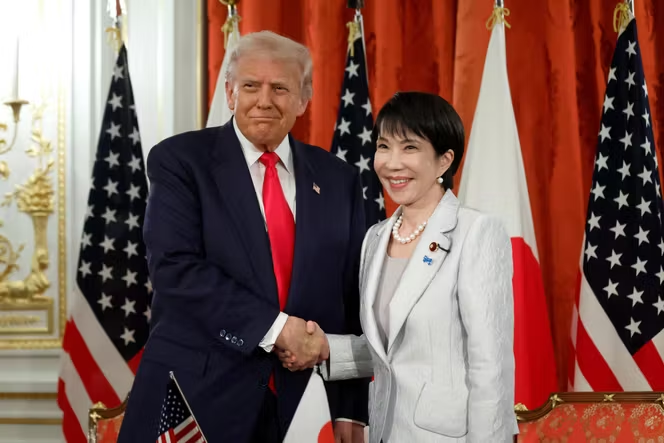
U.S. President Donald Trump gave his “complete and total” backing to Japanese Prime Minister Sanae Takaichi ahead of Japan’s national election on Sunday, saying he looked forward to welcoming her to the White House next month.
Japan’s first female leader, a conservative who has said she draws inspiration from Britain’s former prime minister Margaret Thatcher, is already expected to secure a comfortable victory, according to opinion polls. Takaichi is seeking a fresh mandate for higher public spending and a stronger defence posture—policies that have unsettled investors and risk further straining ties with China.
Surveys suggest Takaichi’s Liberal Democratic Party and coalition partner, the Japan Innovation Party, could win around 300 seats in the 465-member lower house, significantly expanding their current narrow majority.
Trump’s endorsement adds momentum
“Prime Minister Takaichi deserves strong recognition for the job she and her coalition are doing,” Trump wrote on Truth Social, formally endorsing her leadership and agenda.
Trump has increasingly weighed in on foreign elections, and analysts say his support for Takaichi—a nationalist with hawkish defence views—fits a broader pattern. He recently backed Hungary’s Prime Minister Viktor Orban and previously endorsed Argentina’s President Javier Milei.
Even with polls pointing to a strong win, Trump’s backing is likely to resonate domestically, said a geopolitical analyst at Mizuho Bank, noting that improved relations with Washington are generally welcomed by Japan’s business community.
Japanese government spokesman Kei Sato declined to comment on the endorsement but confirmed that Trump has invited Takaichi to Washington on March 19, calling the visit an opportunity to reaffirm the strength of the Japan–U.S. alliance.
China tensions and market jitters
Takaichi’s tougher stance on China—particularly comments on how Japan might respond to a Taiwan contingency—has already triggered the sharpest diplomatic friction with Beijing in more than a decade. A decisive election win could strengthen her hand, although China has shown little sign of easing its opposition.
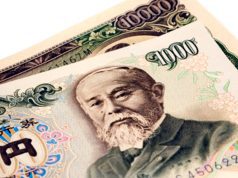
At home, markets have reacted nervously to Takaichi’s pledge to suspend the sales tax on food, a move investors fear could widen Japan’s already heavy debt burden. Concerns over how Tokyo would fund the estimated ¥5 trillion ($30 billion) revenue hit have driven sell-offs in Japanese government bonds and pressured the yen.
Still, analysts say that a clear victory for the long-ruling LDP could ultimately be the least disruptive outcome for markets, given rival parties’ proposals for even larger tax cuts and spending increases. Voter turnout—particularly among younger supporters—and adverse weather conditions could still influence Sunday’s result.
Takaichi has said she would step down if her coalition loses its majority.