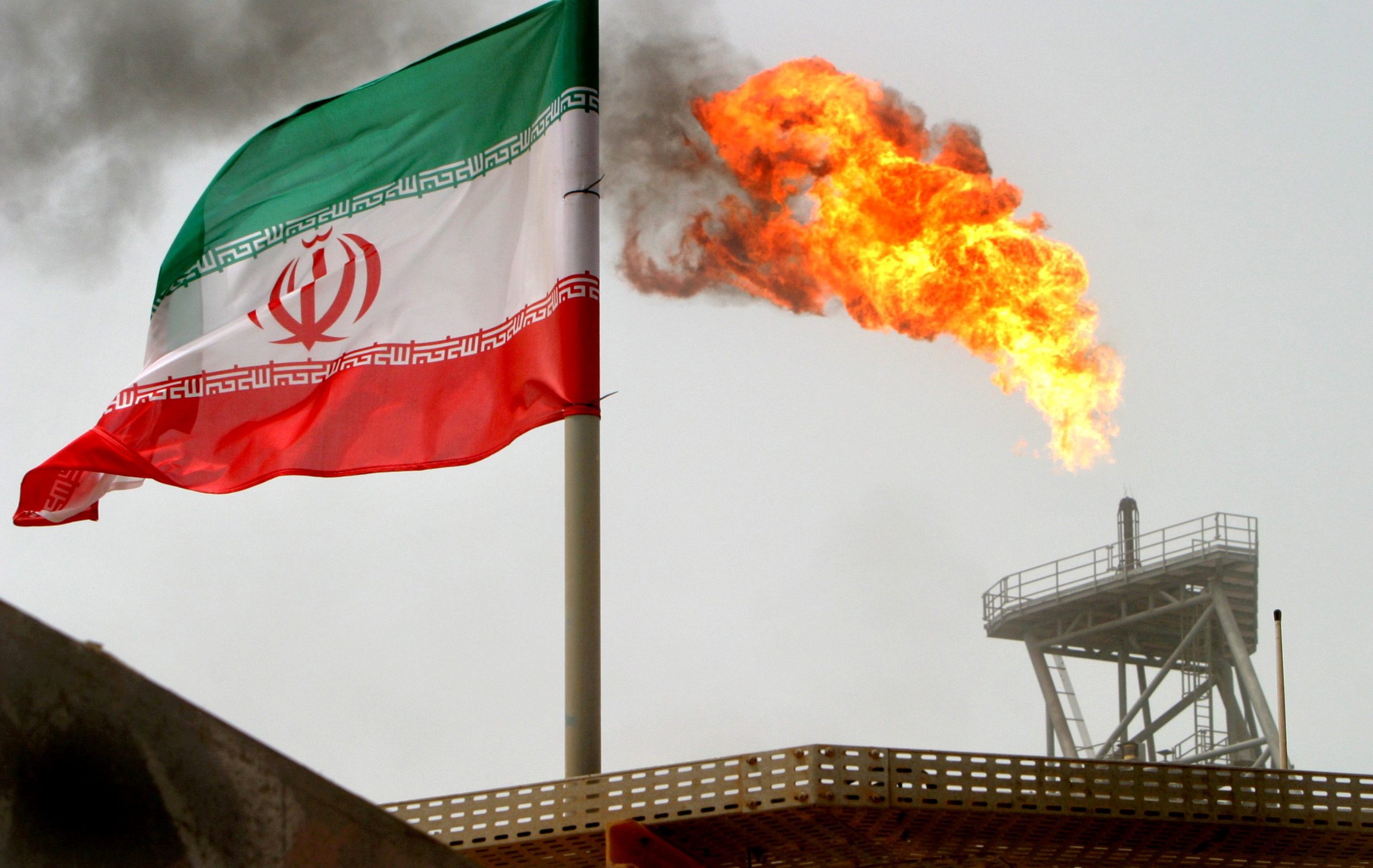
Three major brokerages have raised their oil price forecasts as the Iran conflict disrupts flows through the Strait of Hormuz. The situation is tightening an already fragile global supply outlook and pushing crude oil prices higher.
Swiss bank UBS warned that oil markets are currently “on edge,” with tanker traffic significantly restricted. The firm noted that limited progress in reopening the Strait of Hormuz—one of the world’s most critical energy routes—has added upward pressure on crude prices. Brent crude traded as high as $102.6 on Tuesday.
UBS now expects Brent oil to reach $90 per barrel by the end of June, before easing to $85 by the end of September and December 2026, and further to $80 by March 2027. Despite this projected moderation, the bank believes the overall trend remains upward due to worsening supply disruptions and limited spare production capacity.
The report also highlighted that tanker loading activity in the Strait has nearly stopped, while alternative export routes are operating close to full capacity. UBS added that even a coordinated release of around 400 million barrels from OECD reserves would only partially offset supply losses, which could reach up to 10 million barrels per day.
In addition to crude, refined products such as diesel, jet fuel, and LPG are expected to remain elevated and could even rise faster than oil prices. UBS emphasized that ongoing geopolitical risks and supply constraints may keep oil prices higher for longer, even if flows through the Strait resume.
In this environment, the bank continues to favor exposure to energy, gold, and other real assets, describing gold as an effective hedge and portfolio diversifier.
Barclays has also revised its oil outlook higher, stating that the Iran conflict is accelerating an already tightening market. The bank raised its 2026 Brent forecast to $84 per barrel and now expects long-term prices to stabilize closer to $80, compared to earlier projections of around $70.
Barclays analysts noted that concerns about oversupply have been replaced by real disruptions to production and supply chains. The bank estimates that approximately 8 million barrels per day of crude output have been shut in across the Middle East, alongside broader disruptions to LNG and refined fuel flows. It also increased its refining margin expectations by more than 110%, to around $11 per barrel.
Meanwhile, Mizuho has increased its 2026 forecasts for Brent and WTI crude by about 14% and 12%, respectively, projecting prices of $73.25 and $68.25 per barrel. The bank stated that even short-term supply disruptions could significantly tighten the market, reducing the likelihood of a return to lower price levels.
Mizuho estimates that just one month of disrupted supply—around 7.1 million barrels per day—would materially reduce the expected surplus in 2026. As a result, the probability of oil prices falling back to the low $50 range has become very low.
While a mid-year rebalancing could keep Brent prices in the $70–75 range, the broader outlook remains uncertain. Analysts noted that while there is a clear upward bias in oil prices, it is still too early to determine whether the conflict will lead to structurally higher prices over the long term.