Tokyo Core Inflation Slows Slightly in July But Remains Above BOJ Target, Fueling Rate Hike Speculation
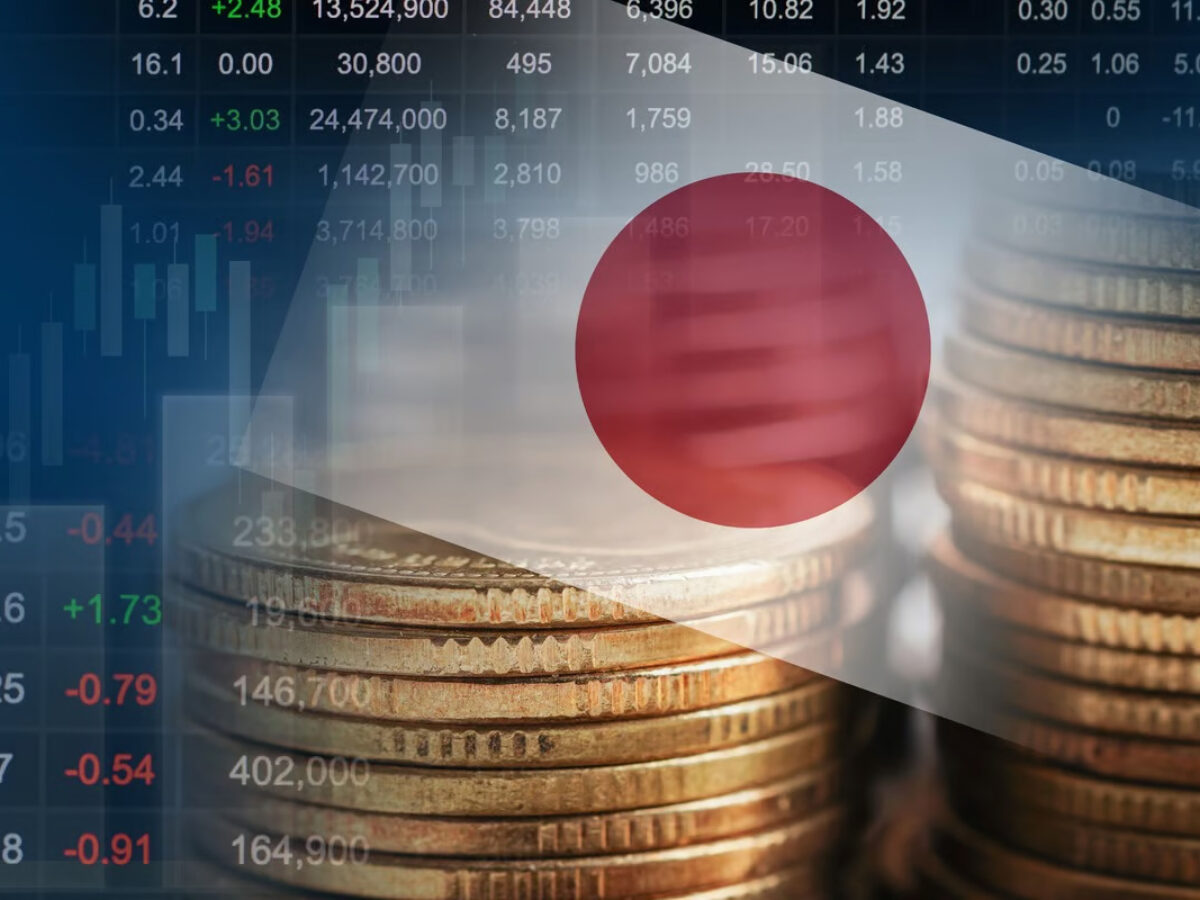
Core consumer inflation in Tokyo eased in July but remained firmly above the Bank of Japan’s 2% target, reinforcing speculation that another interest rate hike could be on the table later this year, according to data released Friday.
The figures will be closely evaluated by the BOJ at its next policy meeting on July 30–31, where the board is also expected to raise its inflation outlook for the current fiscal year during its quarterly forecast review.
Tokyo’s core Consumer Price Index (CPI)—which excludes fresh food—rose 2.9% year-on-year in July, slightly below the market consensus of 3.0% and down from June’s 3.1% gain. The deceleration was largely attributed to base effects stemming from a spike in energy prices last year, following the expiration of government fuel subsidies.
However, cost pressures on households persisted. Core food inflation (excluding fresh produce) accelerated to 7.4% in July from 7.2% in June, signaling continued strain on consumer budgets.
A separate core-core inflation index—excluding both fresh food and fuel, and closely watched by the BOJ as a key gauge of domestic demand—rose 3.1% from the prior year, matching June’s pace. Meanwhile, service prices increased 2.1% year-on-year, unchanged from the previous month, indicating that firms are still passing higher labor costs onto consumers due to rising wages.
Looking ahead, analysts expect inflation to ease in the coming months due to the fading effect of last year’s energy price surge and a potential slowdown in rice price increases.
Although Japan’s recent trade deal with the U.S. has bolstered investor expectations of a rate hike, some economists remain cautious about the timing of such a move.
“If inflation begins to soften, the BOJ won’t feel urgent pressure to hike again,” said Toru Suehiro, chief economist at Daiwa Securities, noting that nominal wage growth has shown only modest gains so far this year.
The BOJ ended its ultra-loose monetary policy in late 2024 and raised short-term interest rates to 0.5% in January 2025, believing the country was nearing a stable path to its 2% inflation goal. While the central bank has signaled openness to additional hikes, rising U.S. tariffs have weighed on Japan’s growth outlook, prompting the BOJ to lower its economic forecast in May and tread cautiously on further tightening.
However, U.S. President Donald Trump’s surprise announcement of a new trade agreement with Japan on Wednesday has eased some of that uncertainty, reigniting hopes of further rate increases by year-end.
Shortly after the deal was made public, BOJ Deputy Governor Shinichi Uchida remarked that the agreement reduced economic risk and improved the likelihood of achieving the bank’s inflation target on a more sustained basis.
A Reuters survey conducted prior to the trade deal indicated that most economists expect another rate hike before the end of the year, though the consensus is that the BOJ will likely hold rates steady at its July meeting.