Conservation implications and future directions
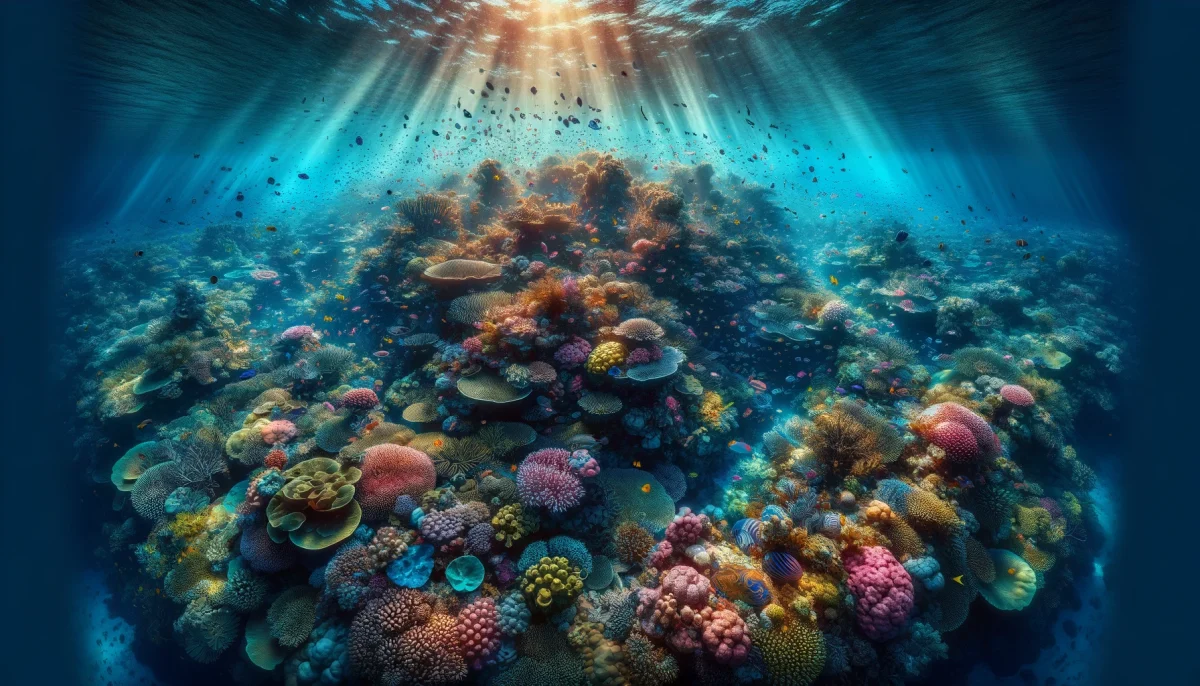
The discovery comes at a crucial time for coral reefs globally. As climate change escalates, warming and acidifying oceans pose severe threats to these biodiversity hotspots. Coral polyps, the building blocks of reefs, are especially sensitive to temperature increases, which can lead to coral bleaching and significant ecosystem disruptions. Recognizing the full extent of shallow water reefs, alongside new findings of large deep-water coral ecosystems, is vital for directing conservation efforts and mitigating climate change impacts.
Efforts are underway in various countries, including Indonesia, Panama, Belize, and Australia, to leverage the new maps to enhance coral reef conservation. These efforts aim to safeguard the biodiversity that coral reefs support, constituting about a quarter of all marine species.
A call to action
The comprehensive mapping of the world’s coral reefs through the Allen Coral Atlas initiative is not just an academic achievement but a call to action. As the maps inform real-world conservation strategies, there is growing optimism that targeted efforts can lead to significant positive changes for coral reefs and the myriad of life they support.
As demonstrated in this project, the collaboration between technology and traditional knowledge sets a precedent for future environmental research and conservation initiatives. As researchers and conservationists continue to uncover the vast and intricate details of coral reef ecosystems, the hope is that these insights will spur global action to protect these natural wonders for future generations.
This discovery highlights the importance of innovative technology and collaborative efforts in understanding and conserving our planet’s natural resources. As we move forward, the detailed maps of coral reefs will undoubtedly play a pivotal role in shaping conservation strategies, ensuring that these vibrant ecosystems continue to thrive amidst the challenges of climate change.