
Evolving Crypto Regulations: A Global Shift
Over the past two years, cryptocurrency regulations have undergone dramatic changes. Once considered a niche investment with minimal oversight, crypto has now become a major focus for governments worldwide. As political landscapes shift, particularly in the United States, and regulatory frameworks adapt across the globe, 2025 is expected to be a defining year for the industry.
U.S. Policy Under the Trump Administration
In January 2025, President Donald Trump signed Executive Order 14178, titled “Strengthening American Leadership in Digital Financial Technology.” This order overturned multiple initiatives from the previous administration, including halting the development of Central Bank Digital Currencies (CBDCs) in the U.S.
Additionally, a new Digital Asset Markets Working Group was established, comprising representatives from the SEC, CFTC, and other regulatory bodies. Their goal is to draft a comprehensive federal digital asset framework within 180 days. 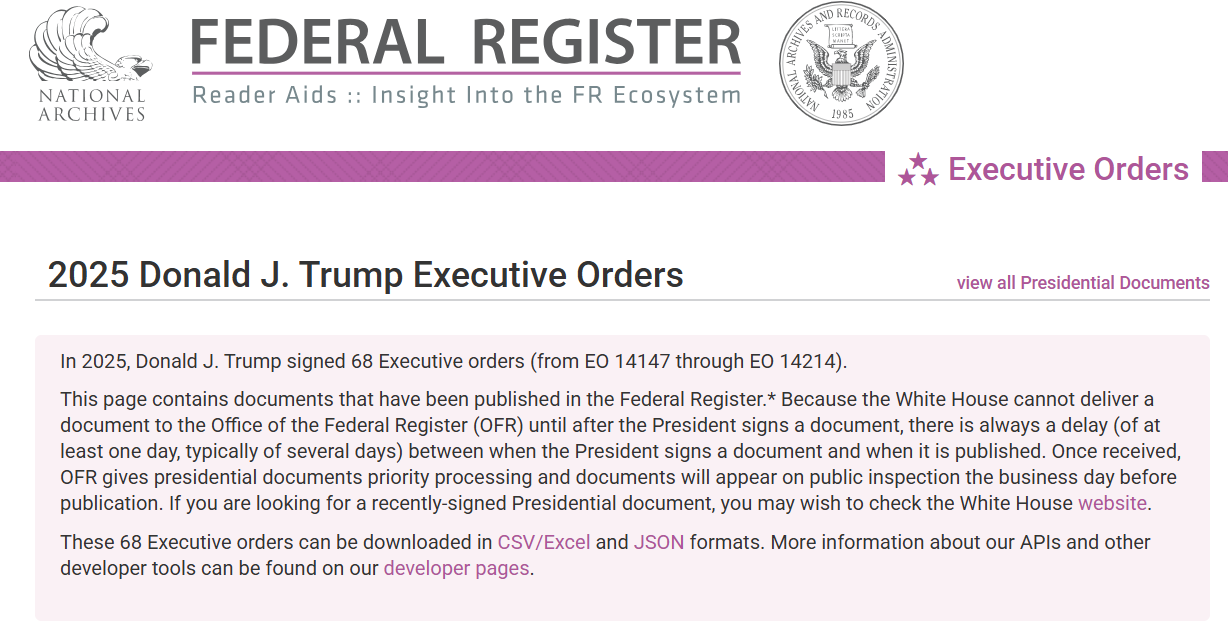
This marks a shift away from the previous “regulation by enforcement” approach, which relied heavily on legal actions and large fines to enforce compliance. Instead, the new administration is aiming for clearer and more predictable regulations. Notable changes include the appointment of Paul Atkins as the new SEC chair and the revival of the Crypto Task Force, overseen by Commissioner Hester Peirce.
Another major regulatory update is the replacement of SAB 121 with SAB 122. The previous rule required banks to record cryptocurrencies as liabilities, increasing capital requirements and discouraging engagement with digital assets. The revised SAB 122 aims to simplify how banks handle and manage crypto assets, making it easier for financial institutions to participate in the digital economy. 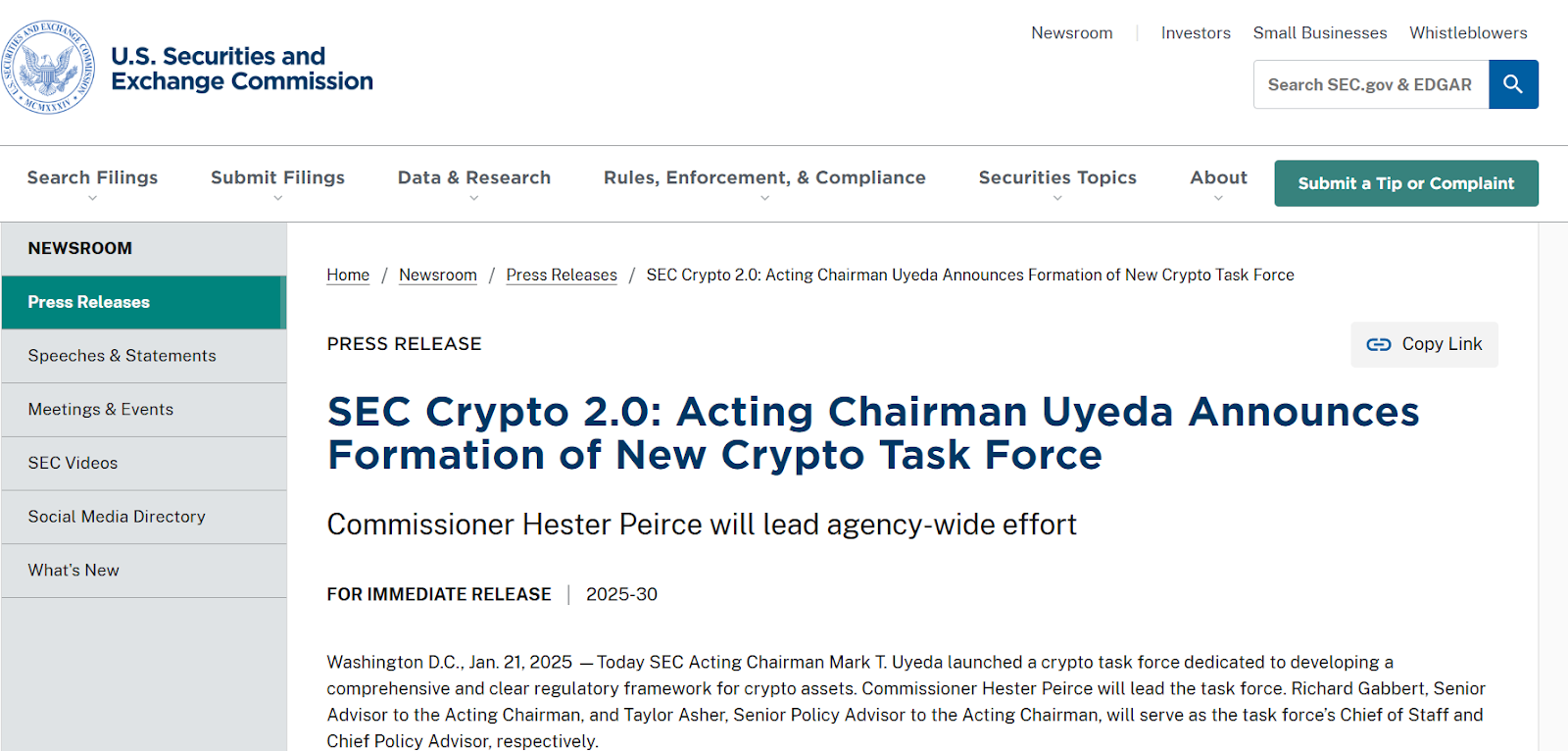
Global Regulatory Approaches
European Union (EU)
The EU has implemented the MiCA (Markets in Crypto-Assets) framework, setting definitive rules on asset classification, consumer protection, and oversight of crypto service providers. Additionally, the EU is expanding financial reporting obligations through DAC8, aligning with international transparency standards.
Asia
China continues to impose restrictions on decentralized cryptocurrencies while simultaneously advancing its state-backed digital yuan (RMB). In contrast, Singapore and Hong Kong are fostering a crypto-friendly environment, issuing licenses to firms and testing innovative financial products such as crypto derivatives.
Emerging Markets
Countries like El Salvador have fully integrated Bitcoin as legal tender, supporting the creation of national digital reserves. Meanwhile, smaller jurisdictions like the Cook Islands are exploring crypto regulations, though some aspects of their approach remain controversial.
Institutional Investors and Market Reactions
Clear regulations are crucial for attracting institutional investors, and major financial institutions are already entering the crypto space. The approval of Bitcoin and Ethereum spot ETFs in the U.S. has provided a regulated way for investors to gain exposure to crypto without dealing directly with custody challenges. 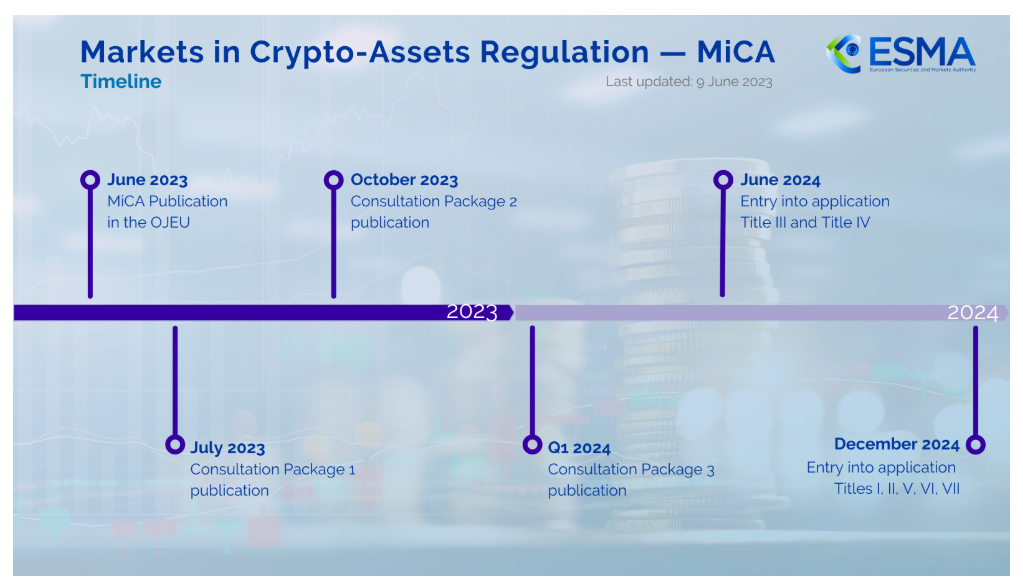
Analysts predict that Bitcoin’s price could surge between $150,000 and $200,000 by late 2025. However, given crypto’s cyclical nature, market corrections and volatility are inevitable. Strong risk management strategies will be essential to navigate potential downturns and prevent speculative bubbles.
Key Trends Shaping the Crypto Market in 2025
1. Stablecoins & Tokenized Deposits
Stablecoins, digital assets pegged to fiat currencies, act as a bridge between traditional finance and the crypto world. With $200 billion in U.S. dollar-denominated stablecoins, clear regulations will encourage further innovation and attract institutional investors. Meanwhile, banks are exploring tokenized deposits, which could revolutionize financial transactions by enhancing settlement efficiency and reducing costs.
2. The Future of CBDCs
The Trump administration has banned CBDCs in the U.S., favoring private-sector innovation. However, other regions are adopting different strategies:
- The European Central Bank and Bank of England are cautiously developing digital currencies.
- China has rapidly deployed the digital RMB for domestic use.
- Some nations may introduce institutional-use CBDCs, creating competition with private cryptocurrencies.


3. Institutionalization & Market Infrastructure
As the crypto market matures, improved custody services, regulated exchanges, and ETFs will bring greater transparency and stability. While volatility will persist, these advancements could make crypto markets resemble traditional finance more closely.
4. Global Regulatory Divergence
Efforts to standardize global crypto regulations, such as the OECD’s Crypto-Asset Reporting Framework and the EU’s DAC8, are underway. However, jurisdictions have different priorities:
- The U.S. is focused on fostering innovation and reducing regulatory barriers.
- The EU prioritizes consumer protection.
- Asia employs a mix of strict regulation and open-market policies, depending on the country.
These differences may drive companies to seek jurisdictions with more favorable regulations, influencing where businesses choose to operate.
Conclusion: The Future of Crypto Regulation
By 2025, cryptocurrency regulations will be reshaping global finance. The Trump administration’s policies emphasize innovation-friendly regulation, while Europe and Asia pursue distinct regulatory paths. This competitive landscape presents opportunities for growth but also potential risks for investors.
The future of crypto depends on striking the right balance between fostering innovation and ensuring regulatory safeguards. Collaboration between governments and the crypto industry will be essential in building a secure, transparent, and stable digital financial system.