Tether Holdings Ltd. has proposed the use of digital assets to modernize Turkey’s boron industry, aiming to leverage blockchain technology for this purpose.
Tether Proposes Boron Tokenization in Turkey
Highlights:
– Tether has suggested using blockchain to tokenize Turkey’s boron sector.
– This move highlights Turkey’s growing role in the global crypto market.
– Tether is expanding beyond stablecoins into commodity lending and other financial services.
Tether Holdings Ltd. is seeking to promote the use of digital assets to revamp Turkey’s boron market. This initiative reflects the crypto firm’s interest in tapping into the commodities sector to fuel its growth.
Boron on the Blockchain: Tether’s Strategy in Turkey
According to sources, Tether, known for issuing stablecoins, has proposed a plan to the Turkish government to tokenize borate minerals using blockchain. The proposal also includes the potential establishment of a digital asset exchange in Istanbul, Turkey’s financial hub.
The introduction of a “boron coin” could be a pioneering step in the tokenization sector, which advocates believe can modernize traditional markets. Boron is used in various industries, including ceramics, detergents, fertilizers, and glass. Turkey holds over 70% of the global reserves of boron, with government projections estimating $1.3 billion in revenue for 2024.
Tether’s focus on boron has raised questions about the strategic benefits of this proposal. Still, Turkey’s economic landscape and growing crypto adoption have made it a hotspot for digital asset companies. Additionally, other major players in the Turkish crypto market, like Garanti BBVA Kripto, have recently partnered with firms like Ripple and IBM to enhance crypto services.
With high inflation and a weakening lira, crypto adoption has surged in Turkey. Recent data from Chainalysis shows $137 billion in crypto inflows by mid-2023, placing Turkey among the top global crypto markets.
Despite Tether’s interest, Turkish officials have indicated that the boron tokenization proposal is still in its early stages. Discussions are ongoing, with no final agreements yet.
Tether’s Commitment to Crypto Innovation in Turkey
Tether’s CEO Paolo Ardoino has reaffirmed the company’s dedication to driving crypto innovation in Turkey. Tether continues to cooperate with law enforcement agencies across 45 countries, including the FBI and U.S. Secret Service, and maintains a 104% over-collateralized reserve. Ardoino has also called for clearer global crypto regulations.
Locally, Tether’s expansion manager, Anadolu Aydinli, has been in talks with key Turkish figures, including Eti Maden’s General Manager Yalcin Aydin, Vice President Cevdet Yilmaz, and Energy Minister Alparslan Bayraktar. However, official responses from the Turkish Energy Ministry and Presidency remain limited.
Tether’s efforts reflect Turkey’s growing significance in the global crypto market, with the potential to shape the country’s digital asset landscape. The company is also exploring broader opportunities in commodity lending, aiming to use profits from its USDT operations to bridge traditional finance and digital assets.
Tether’s Expanding Role: Beyond Stablecoins
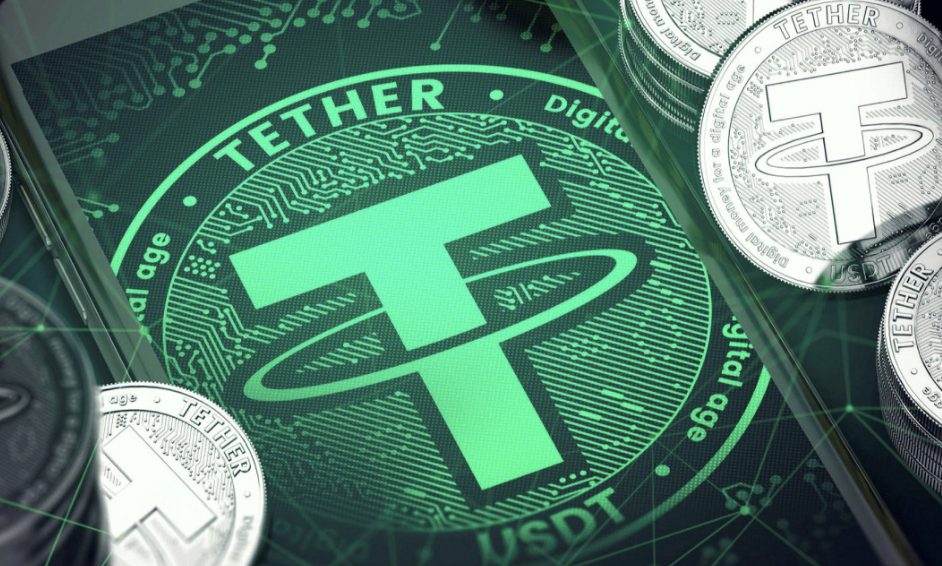
Tether’s stablecoin, USDT, is pegged to the US dollar and has become the world’s largest stablecoin, with a supply of $120 billion. It is widely used for value storage and liquidity across crypto exchanges.
Tether has been positioning USDT as a quick and cost-effective payment method, particularly in emerging markets. In regions where accessing US dollars is challenging, USDT offers a way to bypass traditional banking systems, reducing fees and friction in transactions. This function is especially valuable in countries experiencing high inflation, where stablecoins have become popular for both transactions and savings.
With blockchain technology, Tether aims to expand USDT’s use as an alternative to banking services, particularly in areas with underdeveloped or inefficient financial infrastructure.