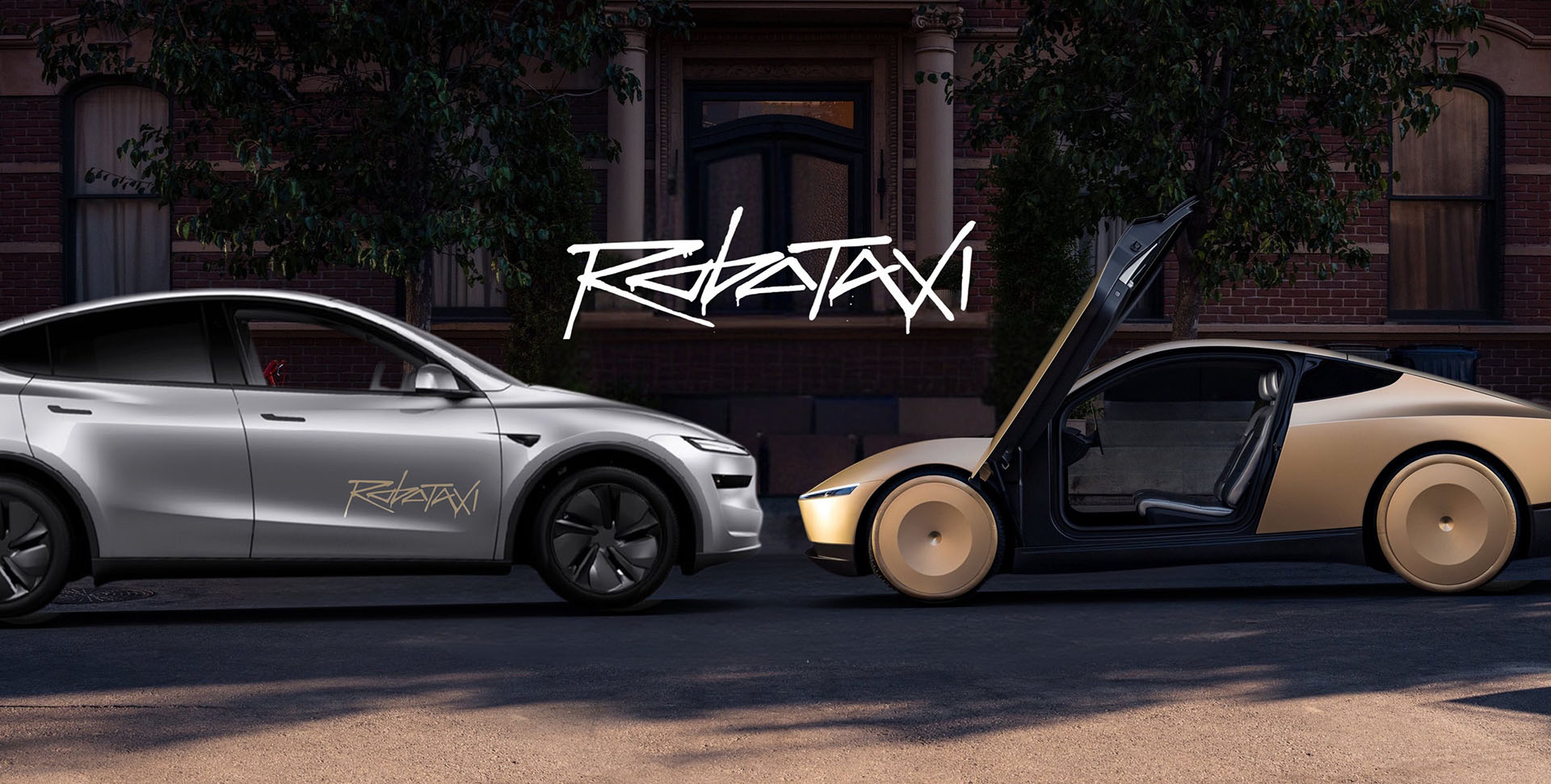
Tesla is taking another step toward scaling its vision-only robotaxi platform, as Morgan Stanley said it expects a sharp expansion in the company’s robotaxi fleet once key technical and regulatory milestones are reached.
Tesla advances robotaxi testing without safety monitors
In a research note, Morgan Stanley analyst Andrew Percoco pointed to videos shared on X and later confirmed by Tesla CEO Elon Musk showing robotaxis being tested in Austin, Texas without a safety monitor or passengers on board.
The bank described the removal of the safety monitor, alongside improving safety performance, as the most important near-term catalyst for validating Tesla’s robotaxi strategy. According to the analysts, this development is critical to building confidence in the company’s autonomous driving roadmap.
Robotaxi fleet seen as precursor to unsupervised FSD
Percoco noted that a stable and dependable robotaxi fleet would pave the way for a faster rollout of fully unsupervised Full Self-Driving (FSD) for personal vehicles. This view underpins Morgan Stanley’s positive outlook on Tesla’s long-term mobility business.
The testing activity aligns with Tesla’s stated objective from its third-quarter earnings call to eliminate the safety monitor requirement by the end of the year.
Morgan Stanley sees major fleet growth in 2026
Looking ahead, Morgan Stanley identified three key factors that will shape how quickly Tesla scales its robotaxi operations. These include opening the service to the public without a safety monitor, continued improvements in safety metrics as mileage increases, and the start of Cybercab production, which is currently targeted for April 2026.
The bank expects Tesla to significantly expand its robotaxi fleet in 2026. While the company has so far moved cautiously in cities such as Austin and San Francisco, Morgan Stanley projects the fleet could grow to around 1,000 vehicles on the road next year, compared with only a small number today.
Over the longer term, the bank estimates that Tesla could have as many as one million robotaxis operating across multiple cities by the end of 2035.