Tesla Earnings May Fuel SpaceX Merger Speculation
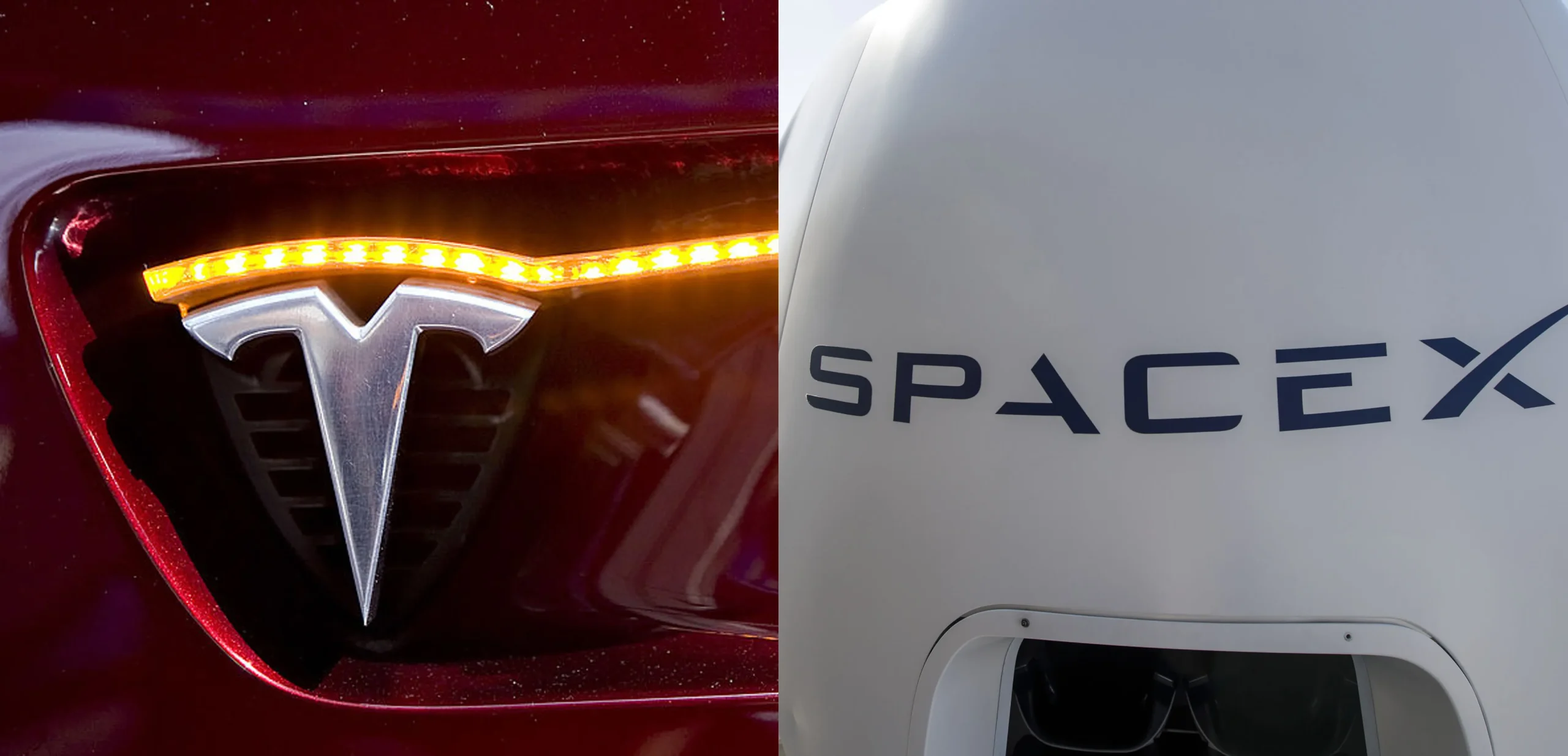
Tesla’s upcoming first-quarter results, set to be released on Wednesday, are unlikely to provide strong reassurance regarding its robotaxi strategy. According to analysts at Jefferies, this could be enough to keep speculation around a potential merger with SpaceX alive.
Growing Gap Between Vision and Execution
Jefferies analysts highlighted a widening disconnect between Tesla’s long-term ambitions and its near-term performance. They noted that unless the company delivers a convincing update on its robotaxi rollout, investor concerns around funding could intensify, increasing the perceived rationale for a future tie-up with SpaceX.
The firm maintained a Hold rating on Tesla shares while raising its price target to $350 from $300.
Financial Outlook Raises Concerns
Jefferies expects Tesla to report first-quarter revenue of approximately $21.2 billion, representing a 10% increase year-over-year but a decline compared to the previous quarter. The bank also forecasts an operating margin below 3% and an estimated cash burn of around $1.9 billion.
Looking ahead, Tesla could face even greater financial pressure. Analysts project negative free cash flow of roughly $5.5 billion in 2026, driven by a sharp increase in capital expenditure, which is expected to reach $19–20 billion annually.
Robotaxi Ambitions Face Major Challenges
Tesla’s robotaxi initiative remains a key uncertainty for investors. The company has stated plans to roll out the service across 25% to 50% of potential U.S. markets by the end of the year. However, analysts believe these targets may be overly ambitious.
Key challenges include regulatory approval hurdles and ongoing questions surrounding Tesla’s lidar-free Full Self-Driving (FSD) technology. As a result, Jefferies does not expect meaningful revenue from robotaxis before 2027.
Humanoid Robots Add to Long-Term Uncertainty
Beyond autonomous vehicles, Tesla’s push into humanoid robotics also faces a long development timeline. The sector is becoming increasingly competitive, and large-scale commercialization is still considered distant.
Strengths Remain Despite Near-Term Pressure
Despite these concerns, analysts acknowledged Tesla’s unique advantages, including its vertically integrated business model and its ability to scale production and secure funding more effectively than competitors, many of whom face higher capital costs and slower progress.
Valuation Driven by Sentiment and Innovation
Jefferies noted that traditional valuation metrics have limited relevance when assessing Tesla. Instead, the company’s stock price is largely influenced by investor sentiment, expectations around future technological rollouts, and confidence in its ability to sustain innovation.