UN Security Council to Vote on Hormuz Shipping Resolution
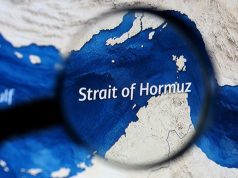
The United Nations Security Council is set to vote on a Bahrain-led resolution aimed at protecting commercial shipping in and around the Strait of Hormuz. However, China has clearly stated its opposition to any measure that would authorize the use of force, raising uncertainty over the outcome.
Vote Delayed as Diplomatic Tensions Rise
Diplomats confirmed that the vote, originally expected earlier, has been scheduled for Saturday morning due to a U.N. holiday on Friday. The 15-member council will meet to decide on the resolution as geopolitical tensions continue to escalate in the region.
Oil Prices Surge Amid Ongoing Conflict
Oil markets have reacted sharply since the United States and Israel launched strikes against Iran in late February. The conflict, now lasting over a month, has severely disrupted activity in the Strait of Hormuz, one of the world’s most critical energy shipping routes.
Bahrain Pushes for Defensive Measures
According to diplomatic sources, Bahrain—currently presiding over the Security Council—has finalized a draft resolution that would allow “all necessary defensive measures” to ensure the safety of commercial vessels. The proposed authorization would remain in effect for at least six months or until further council decisions are made.
Efforts to Build Consensus Face Resistance
Bahrain has attempted to secure broader support by removing explicit references to binding enforcement from earlier drafts. The move was aimed at addressing concerns raised by major powers such as China and Russia. Despite these adjustments, opposition remains strong.
China’s U.N. envoy Fu Cong warned that approving the use of force could legitimize unlawful military actions and lead to further escalation, potentially triggering serious consequences.
Draft Approval Process Encounters Obstacles
A recent version of the resolution failed to pass the so-called “silence procedure,” after objections were raised by China, France, and Russia. Nevertheless, a finalized version—known as being “put in blue”—has now been submitted, allowing the vote to proceed.
Voting Requirements and Geopolitical Stakes
For the resolution to pass, it must receive at least nine votes in favor and avoid a veto from any of the five permanent members: the United States, United Kingdom, China, Russia, and France. This makes China’s stance particularly significant.
Regional and Global Support for the Resolution
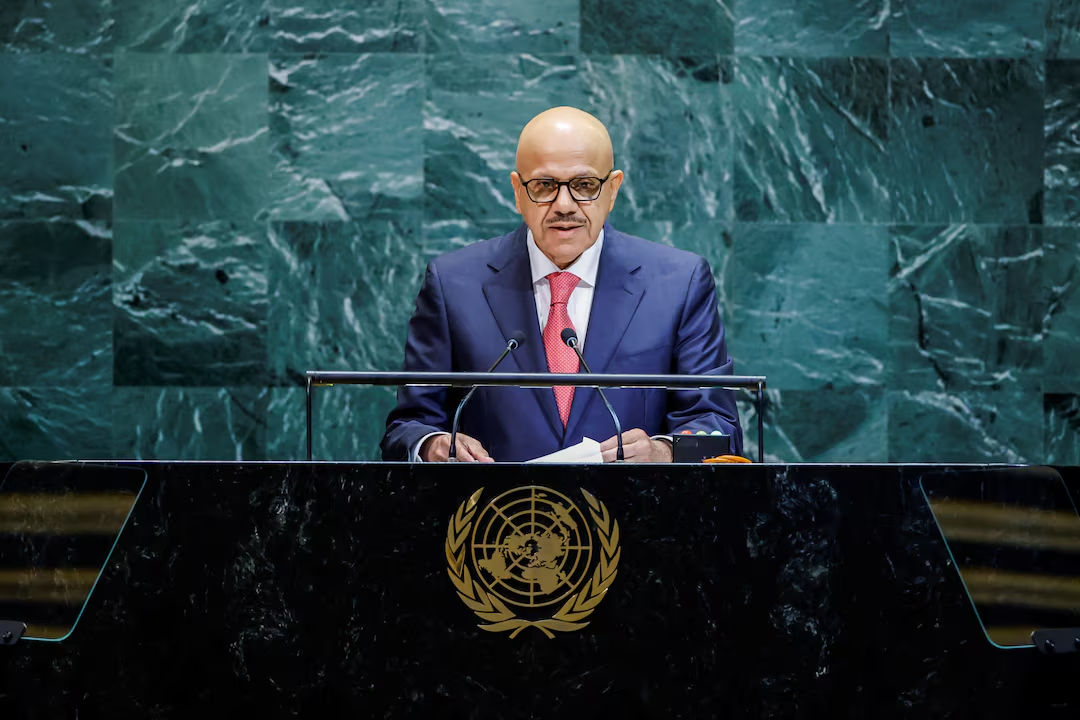
Bahrain’s Foreign Minister Abdullatif bin Rashid Al Zayani described Iran’s actions in the Strait of Hormuz as a serious threat to global trade and called for a decisive international response. The Arab League has also expressed support for Bahrain’s efforts.
Meanwhile, the United Kingdom hosted a meeting with over 40 countries to coordinate actions aimed at restoring safe navigation through the vital waterway.
Uncertainty Over U.S. Strategy
U.S. President Donald Trump has pledged to continue military operations but has not outlined a clear strategy for reopening the Strait of Hormuz. This lack of clarity has added to market concerns and contributed to further increases in oil prices.