Strait of Hormuz Disruption Forces ING to Revise Forecasts
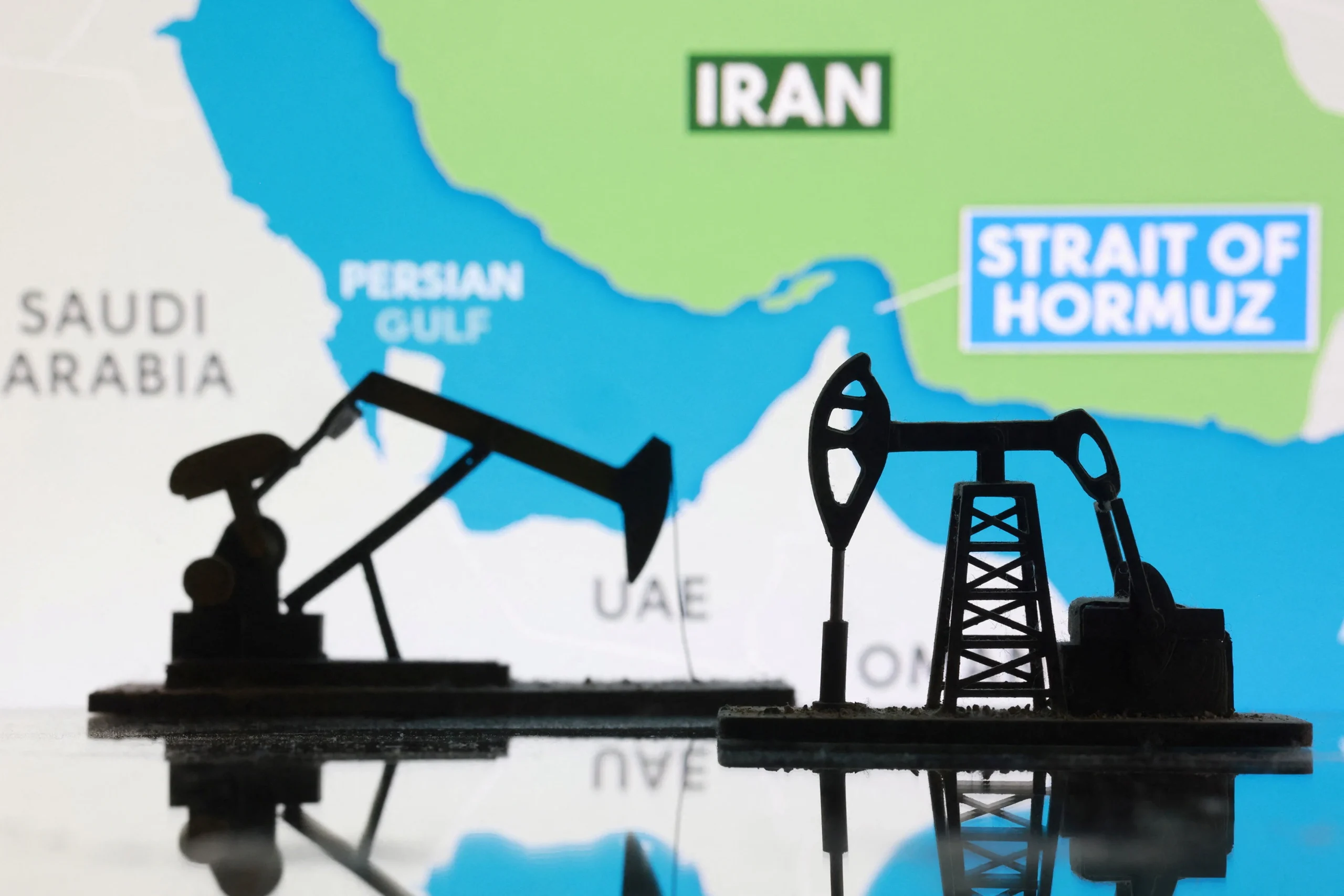
ING economists and strategists have updated their outlook after the effective blockage of the Strait of Hormuz, which has forced oil tankers and cargo vessels to reroute. The bank noted that its earlier assumptions from March are no longer valid given the ongoing disruption.
While ING does not typically revise forecasts frequently, the severity of the situation has prompted a reassessment ahead of its upcoming monthly update.
Three Key Scenarios for the Strait of Hormuz
To address growing uncertainty, ING has outlined three possible scenarios to guide its macroeconomic and market forecasts.
Scenario 1: Base Case – Prolonged Tensions with Gradual Stabilization
The base case assumes that intense military conflict will ease within two weeks, followed by a period of lower-intensity strikes lasting several months.
Under this scenario, reopening the Strait of Hormuz may take longer than expected. A temporary ceasefire or informal de-escalation could emerge, potentially supported by maritime escorts and early discussions on sanctions.
ING also suggests that internal political dynamics could eventually lead to regime change over time.
Scenario 2: Optimistic Case – Faster Resolution
The second scenario presents a more positive outlook, where the conflict ends sooner than expected and the Strait of Hormuz reopens relatively quickly.
This outcome would likely ease pressure on global energy markets and restore more stable shipping conditions.
Scenario 3: Bear Case – Prolonged Conflict and Ongoing Uncertainty
In the worst-case scenario, fighting continues for an extended period, followed by a prolonged phase of low-level conflict. This would keep uncertainty elevated around the Strait of Hormuz.
A ceasefire in this case may involve third-party guarantees, potentially from global powers such as Russia or China, alongside phased sanctions relief and enhanced maritime security arrangements.
However, ING warns that lasting peace could remain fragile, with the risk of repeated flare-ups.
Limited Structural Damage but Growing Supply Risks
ING’s base case does not assume major structural damage to oil and gas infrastructure. Instead, the current disruption is expected to cause delays in energy shipments rather than immediate supply destruction.
However, the bank cautions that prolonged disruptions could eventually translate into more serious supply constraints.
Inflation Risks Rise as Supply Shock Intensifies
ING describes the situation as a supply-side shock that is likely to push inflation higher and complicate the outlook for central banks.
The bank has revised its inflation forecasts upward more significantly than its growth projections downward, although the impact is expected to vary across different regions.