Investors Shift Away from Inflation-Sensitive Assets
Investors are increasingly rotating out of bonds and other inflation-exposed assets as global markets prepare for prolonged disruptions in energy supply. Ongoing conflict in the Middle East has heightened concerns over sustained inflation and economic instability.
Global Stock Markets Fall to Multi-Month Lows
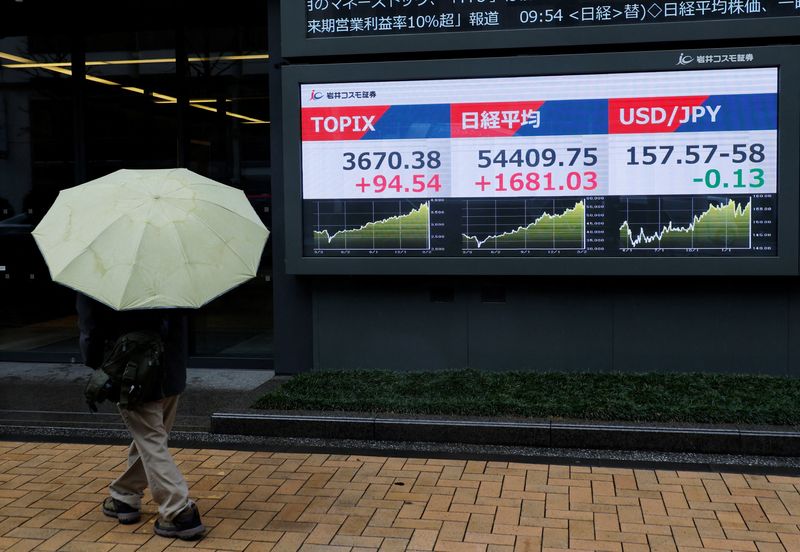
Equity markets came under significant pressure, with Wall Street posting sharp losses on Friday, followed by declines across Asian markets on Monday. Major indexes in Seoul, Shanghai, Tokyo, and Sydney all moved lower, pushing MSCI’s global equity index to its lowest level since November.
Rising Geopolitical Risks Add to Market Uncertainty
Tensions escalated further after Iran warned it could target critical energy and water infrastructure across the Gulf if U.S. President Donald Trump proceeds with threats against its electricity grid. This has intensified fears of broader regional disruption and market volatility.
Analysts Highlight Growing Investor Caution
Homin Lee, Senior Macro Strategist at Lombard Odier, noted that Trump’s ultimatum is contributing to the decline in Asian markets. However, he emphasized the uncertainty surrounding potential outcomes, ranging from diplomatic escalation to severe market fallout. Investors remain cautious, balancing downside risks with the possibility of sudden policy reversals.
Inflation and Stagflation Concerns Build
Chidunaryanan of Wells Fargo pointed out that markets had previously underestimated geopolitical risks, but are now beginning to price them in—starting with commodities and energy. Prolonged conflict could lead to persistent inflation and weaker economic growth, increasing the likelihood of stagflation.
Energy Sector Opportunities Emerge
Priyal Maniar from T. Rowe Price highlighted that certain energy companies could benefit from rising oil prices. Low-cost producers with stable, long-term supply capabilities—particularly in regions like Canada—may be well positioned, along with select oilfield service firms supporting offshore and international projects.
Defensive Positioning and Profit-Taking Increase
Francis Tan of Indosuez Wealth Management explained that investors are becoming more defensive as the situation worsens. Some are taking profits and reallocating to safer assets or cash, while sovereign wealth funds may adjust portfolios in response to weaker growth expectations.
Weak Conviction Accelerates Market Selloff
Karen Jorritsma from RBC Capital Markets observed that the recent market rally lacked strong conviction. As uncertainty rises, investors are exiting positions quickly, leading to sharper declines due to previously fragile confidence in valuations.
Prolonged Conflict Raises Global Economic Risks
Aaron Costello of Cambridge Associates warned that extended disruption poses a growing threat to the global economy. While current reserves and stockpiles offer temporary support, prolonged instability could strain supply chains and deepen economic risks.
Shift Toward Defensive Assets and Dollar Strength
Lori Heinel from State Street Investment Management noted that while large-scale equity outflows have not yet occurred, investors are reallocating toward defensive sectors, particularly large-cap U.S. stocks. Demand for dollar-denominated assets is also rising, supported by higher interest rates and safe-haven flows.
Oil Prices Surge, Pressuring Risk Assets
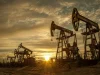
Vasu Menon of OCBC highlighted that oil prices have already surged more than 80% this year, with further upside possible if tensions escalate. Higher energy costs are weighing on cyclical sectors and increasing market sensitivity to inflation shocks.
Markets Begin Pricing in Stagflation Scenario
Charu Chanana from Saxo emphasized that markets are increasingly viewing the situation as more than a temporary geopolitical event. Rising bond yields and shifting rate expectations signal concerns about a prolonged stagflation environment, which presents challenges for both equities and bonds.
Market Complacency Fades Amid Rising Risks
Matt Simpson of StoneX noted that recent geopolitical developments have jolted markets out of complacency. While oil prices remain a key indicator of risk levels, the simultaneous decline in stocks and gold suggests investors are moving into cash as uncertainty grows.