South Korea’s Upbit Faces KYC Compliance Probe, License Renewal in Jeopardy
Highlights:
- Upbit faces scrutiny over widespread KYC compliance violations during regulatory review.
- Over 500,000 cases of improper customer identification discovered, raising serious concerns.
- FIU investigation reveals approval of blurred and unverifiable IDs, threatening the exchange’s license renewal.
South Korea’s leading cryptocurrency exchange, Upbit, is under investigation for significant Know Your Customer (KYC) compliance violations, raising doubts about its ability to renew its operating license. The Financial Intelligence Unit (FIU) uncovered over 500,000 cases of improper customer verification, highlighting serious lapses in regulatory compliance and increasing concerns about potential money laundering risks.
Extensive KYC Failures Uncovered During License Renewal Review
The FIU began examining Upbit’s license renewal application in August, uncovering severe deficiencies in its KYC processes. These measures are critical for preventing money laundering and ensuring regulatory compliance.
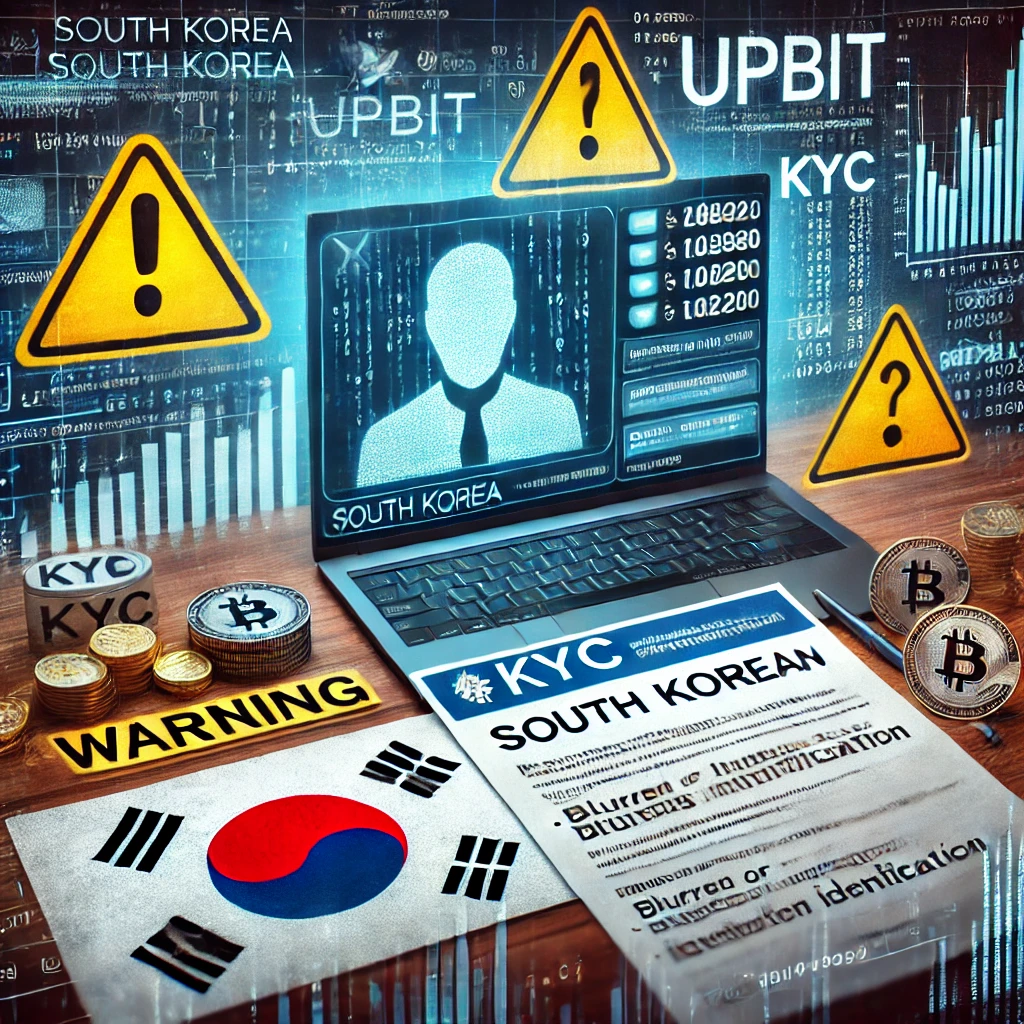
According to an MK report, over 500,000 accounts failed to meet proper verification standards. Many of these cases involved blurry or illegible identification documents submitted by users, which were nevertheless approved. Such lapses not only question Upbit’s adherence to compliance protocols but also expose the platform to potential criminal activity.
The investigation revealed numerous instances where user-submitted IDs, featuring unclear names and registration numbers, were processed without adequate verification. These failures have raised alarms about the exchange’s internal controls, with investigators focusing on how these violations could affect Upbit’s future operations.
If the FIU’s findings confirm systemic lapses, Upbit could face penalties, potential fines, and risks to its license renewal.
Regulatory Challenges and Broader Implications
This investigation places additional pressure on Upbit, which has already faced scrutiny for its dominant market position and close ties to K-Bank. The exchange is grappling with a challenging regulatory environment as authorities increase oversight to ensure compliance in the rapidly growing crypto sector.
In a related development, the South Korea Digital Asset Exchange Association (DAXA) suspended trading for Radiant Capital (RDNT) due to unresolved security issues following a breach. This move underscores the heightened regulatory vigilance aimed at safeguarding investor interests and maintaining stability in the crypto market.
As scrutiny intensifies, Upbit’s compliance failures could serve as a warning for other exchanges navigating South Korea’s increasingly strict regulatory landscape.