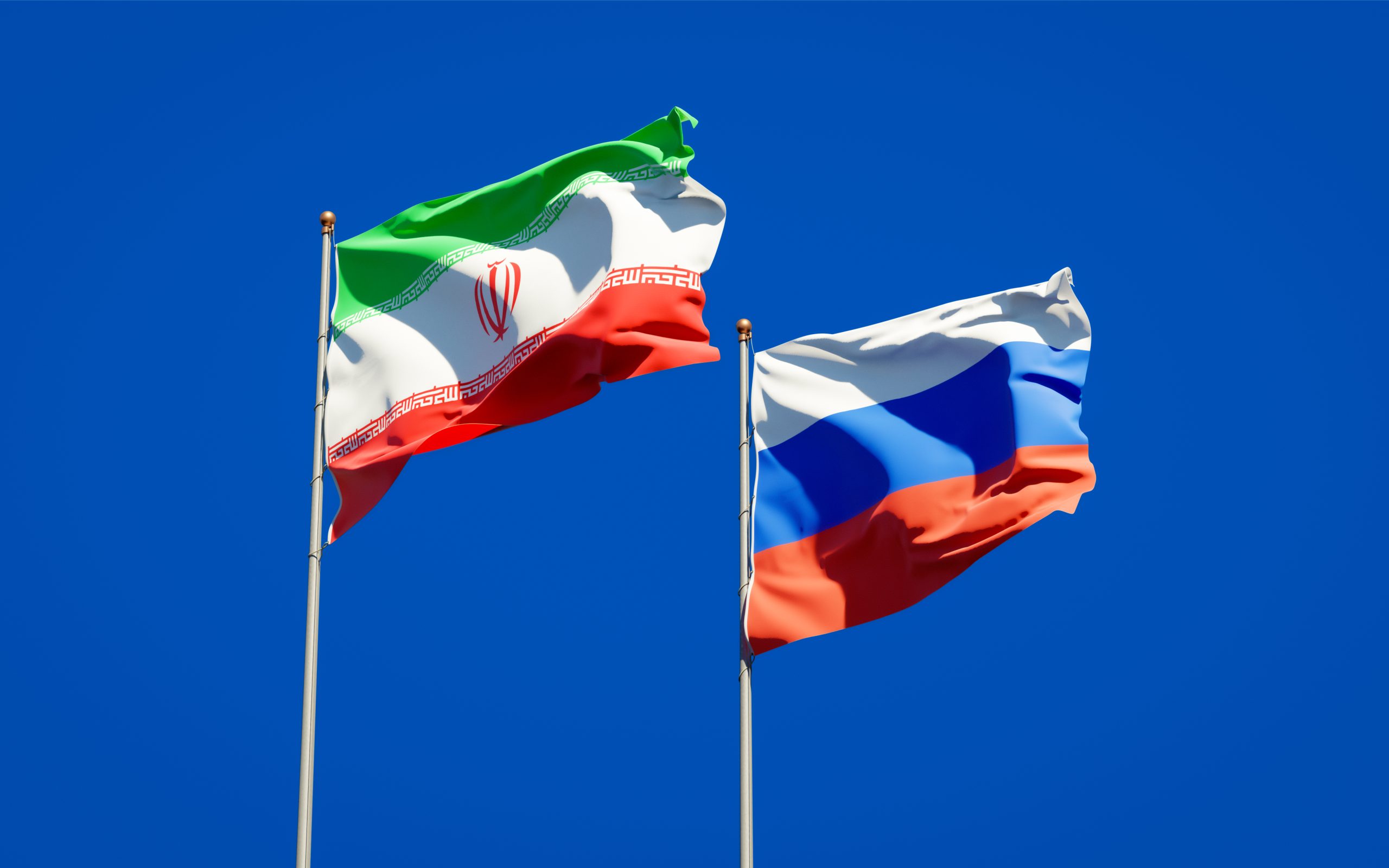
Russia announced Wednesday that it is prepared to remove highly enriched uranium (HEU) from Iran and convert it into fuel for civilian reactors—a move intended to help bridge the gap between Washington and Tehran over Iran’s contentious nuclear program.
While Iran maintains its right to peaceful nuclear energy, the rapid advancement of its uranium enrichment activities has heightened concerns across the West and the Gulf over potential nuclear weapons development.
The United States is seeking an agreement to limit Iran’s nuclear activities. However, in an interview released Wednesday, President Donald Trump expressed growing doubts about Iran’s willingness to halt enrichment, saying he was less optimistic than he had been a few months earlier.
Last week, the Kremlin revealed that President Vladimir Putin had offered Trump support in pushing negotiations forward, citing Russia’s strong ties with Tehran.
On Wednesday, Deputy Foreign Minister Sergei Ryabkov, who manages arms control and U.S. relations, emphasized the need to intensify diplomatic efforts. Speaking to Russian media, he stated that Moscow is ready to assist not just politically, but also through practical steps.
“We’re prepared to help both Washington and Tehran—not just with political proposals, but through concrete action, such as exporting surplus nuclear material from Iran and repurposing it for civilian reactor fuel,” Ryabkov said.
He did not specify whether the fuel would be returned to Iran for use in its civil nuclear facilities, which have been developed with Russian cooperation.
The U.S. continues to demand that all of Iran’s HEU be shipped abroad, while Tehran insists it will only send out any amount above the limits set by the 2015 nuclear deal, and maintains it will not abandon enrichment altogether.
Kremlin spokesman Dmitry Peskov reaffirmed Russia’s willingness to help, stating, “If needed and agreed by all parties, Russia is ready to offer such services.”
Although Moscow opposes Iran acquiring nuclear weapons, it supports Tehran’s right to pursue a civilian nuclear program under the 1970 Nuclear Non-Proliferation Treaty. Russia also considers any military intervention against Iran to be unlawful.
In the broader context of Moscow-Tehran ties, Russia has recently procured weapons from Iran for its war in Ukraine and entered into a 20-year strategic cooperation agreement with the country.
During his presidency (2017–2021), Trump withdrew the U.S. from the 2015 nuclear accord—brokered between Iran and world powers including Russia—which had imposed strict limits on Iran’s nuclear activities in exchange for sanctions relief. After the U.S. exit in 2018 and the reintroduction of tough sanctions, Iran resumed and significantly expanded its enrichment, producing uranium levels far beyond what is deemed necessary for civilian energy use.