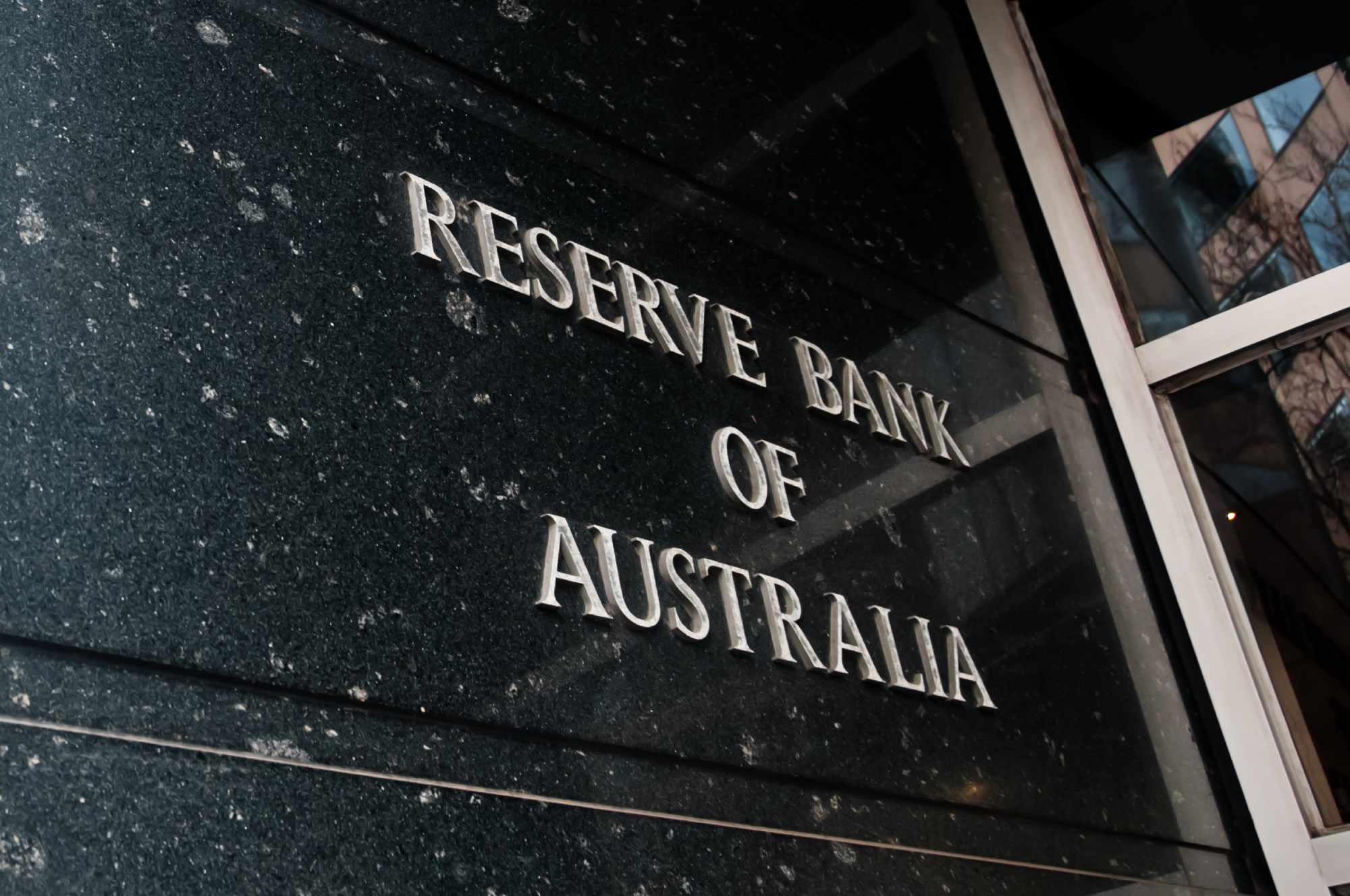
The Reserve Bank of Australia kept interest rates unchanged on Tuesday, as widely expected, while delivering a notably hawkish message amid rising domestic inflation risks.
In its statement, the RBA confirmed that the cash rate target remains at 3.60%. This marks the fourth consecutive meeting where the central bank has held rates steady, following a total of 75 basis points in cuts earlier in 2025.
The hold decision was unanimous. Policymakers said increasing inflationary pressures were the main reason for maintaining current rates.
“Recent data suggest the risks to inflation have tilted to the upside, but it will take a little longer to assess the persistence of inflationary pressures,” the board said.
The RBA also pointed to uncertainty surrounding inflation trends after the Australian Bureau of Statistics introduced a more comprehensive monthly CPI release beginning in October. CPI inflation rose more than expected in October, while core inflation remained above the central bank’s 2%–3% target range.
The board reiterated its commitment to achieving price stability and full employment, noting that the labor market is expected to cool modestly. Even so, the bank highlighted signs of resilience in the Australian economy, with private demand strengthening on the back of improved consumption and investment.
Earlier this year, the RBA began a shallow easing cycle in response to signs of economic softening and global risks, including U.S. trade tariffs. Since then, Australia has signed a trade agreement with Washington, and domestic demand has picked up alongside lower borrowing costs.
Still, the central bank warned that uncertainty remains regarding the economic outlook and how restrictive its current policy stance truly is.
Hawkish Tone Raises Possibility of a Rate Hike
Analysts at Capital Economics said the RBA’s statement sounded “rather hawkish,” leading them to expect a possible rate hike in the coming months. They argued that if the labor market does not cool as anticipated, the central bank may be forced to raise rates as early as February.
Analysts at AMP expressed a similar view, noting that the RBA’s communication was more hawkish overall and that rates are likely to stay on hold throughout next year. They added that the December quarter CPI reading will be crucial to shaping the bank’s next steps.