Powell’s Jackson Hole Speech Opens Door to Rate Cuts
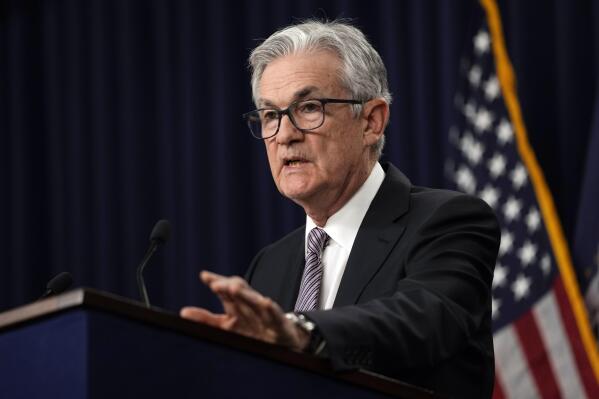
Federal Reserve Chair Jerome Powell delivered one of the most anticipated speeches of the year at the central bank’s annual Jackson Hole gathering in Wyoming. Known for shaping monetary policy outlooks, the event set the stage for Powell to signal openness to a potential September rate cut—an announcement that immediately boosted risk assets.
Powell hints at policy shift
Powell told investors that the Fed may need to adjust its stance as risks to the labor market increase. He described the jobs market as being in a “curious balance,” where both supply and demand for workers are slowing. Powell warned that if this trend worsens, it could quickly lead to mass layoffs and higher unemployment.
Markets interpreted his remarks as dovish, and traders significantly raised their bets on a September rate cut. According to Investing.com’s Fed Rate Monitor Tool, the probability jumped to 88.1% following the speech, compared to below 70% earlier in the week.
Market reaction
Powell’s tone sent stocks surging, with the Dow climbing 885 points, the S&P 500 gaining 102, and the Nasdaq advancing 407. Gold futures rose 1.1% to $3,419.20, while Bitcoin jumped 2.7% to $115,816.
Analysts said Powell’s softer tone leaned more dovish than expected. Deutsche Bank’s Matthew Luzzetti now forecasts three consecutive 25bps rate cuts—in September, December, and March. Others, like ING’s Padhraic Garvey, noted that while Powell endorsed market expectations of cuts, bond markets remain cautious.
Political pressure
The speech came amid growing political tension. President Donald Trump has repeatedly pressured the Fed to lower rates, arguing that cuts would stimulate growth and lower borrowing costs for the U.S. government. His campaign escalated this week when he demanded the resignation of Fed Governor Lisa Cook over allegations of mortgage fraud.
Despite the political pressure, the Fed has kept rates steady in the 4.25%–4.5% range—near two-decade highs—since mid-2024 to monitor the impact of tariffs and inflation. Powell’s latest comments now mark a possible turning point in monetary policy.