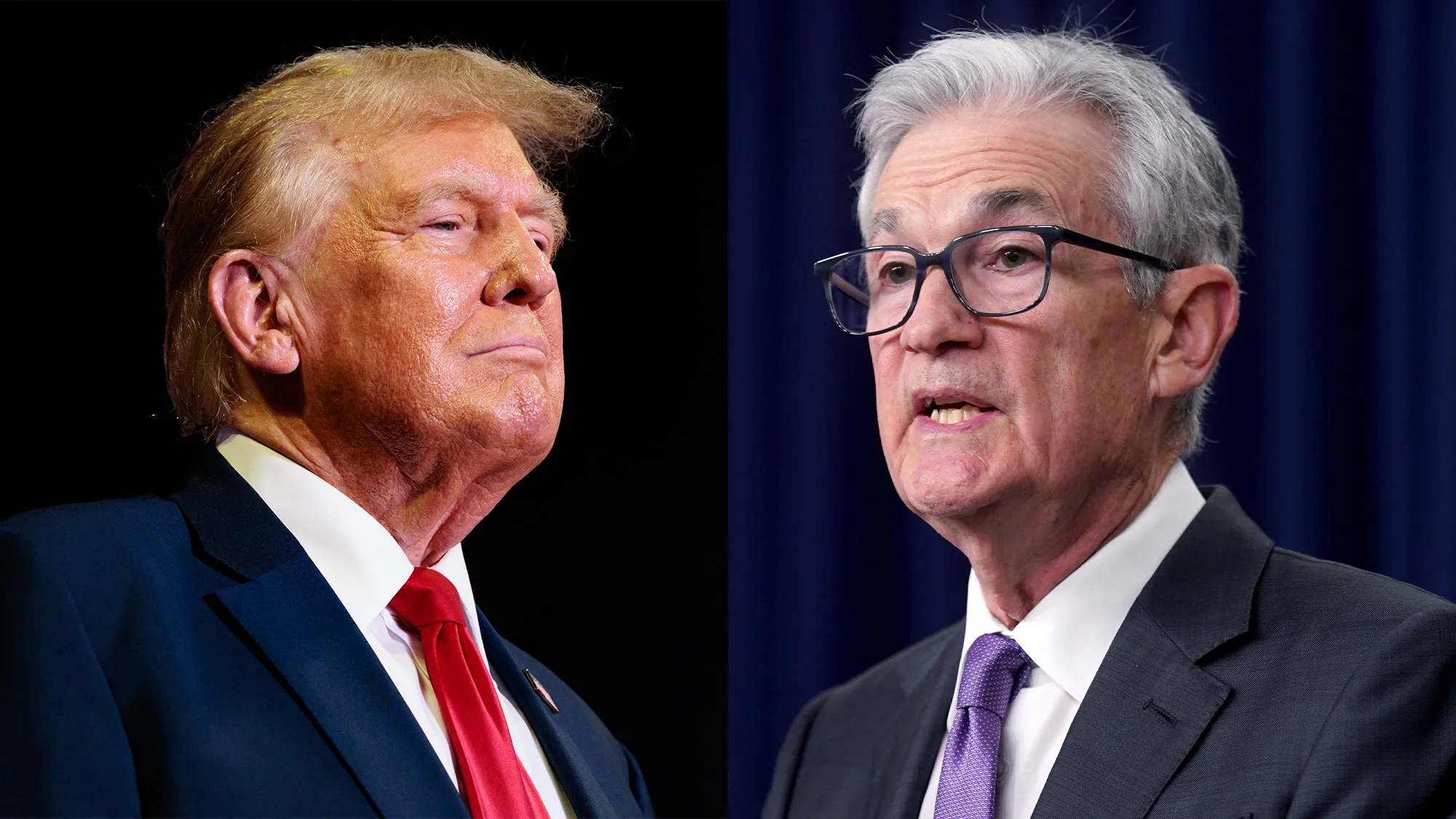
The Trump administration has threatened to pursue a criminal indictment against Jerome Powell over testimony he delivered to Congress last summer regarding a Federal Reserve building renovation project. Powell said the move is being used as a pretext to exert greater political control over the Federal Reserve and its monetary policy decisions.
The latest escalation in Donald Trump’s long-running push to influence the Fed triggered immediate political backlash. Republican Senator Thom Tillis, a member of the Senate Banking Committee, warned in a post on X that the threatened indictment calls into question the independence and credibility of the Department of Justice. Tillis said he would oppose any Trump nominees to the Fed, including the president’s forthcoming choice for chair, until the legal issue is fully resolved.
Powell disclosed the subpoenas and legal threats in a statement released late Sunday.
He said that on Friday the Justice Department served the Federal Reserve with grand jury subpoenas tied to his testimony before the Senate Banking Committee last June. Powell emphasized his respect for the rule of law and accountability, noting that no public official, including the Fed chair, is above the law.
However, he described the action as unprecedented and said it must be viewed within the broader context of sustained pressure from the administration to push interest rates lower and increase presidential influence over the central bank.
Powell argued that the threat of criminal charges is not genuinely about his congressional testimony or the renovation of Fed buildings. Instead, he said, it stems from the Federal Reserve’s decision to set interest rates based on economic data and its mandate to serve the public, rather than following the president’s preferences.
Trump told NBC News on Sunday that he was unaware of the Justice Department’s actions, while also criticizing Powell’s leadership at the Fed and the building project. A Justice Department spokesperson declined to comment on the specific case but said U.S. attorneys have been instructed to prioritize investigations involving potential misuse of taxpayer funds.
Inquiry seen as blow to central bank independence
Since returning to office in January, Trump has repeatedly demanded aggressive interest rate cuts, blaming Fed policy for restraining economic growth. He has also publicly mused about firing Powell, despite legal protections designed to shield the Fed chair from removal. In parallel, Trump is seeking to dismiss Fed Governor Lisa Cook, a case that is now pending before the Supreme Court.
Central bank independence, particularly in setting interest rates to control inflation, is widely viewed as a cornerstone of sound economic policy. It is intended to insulate monetary decision-making from short-term political pressure and allow policymakers to focus on long-term price stability.
Peter Conti-Brown, a Fed historian at the University of Pennsylvania, described the inquiry into Powell as a low point for both Trump’s presidency and the history of U.S. central banking. He said Congress did not design the Fed to mirror presidential politics and argued that the administration’s actions amount to using criminal law as leverage against an independent institution.
Despite the controversy, financial markets showed little change in expectations for near-term Fed policy. Rate futures continue to price in two interest rate cuts this year, even after Powell’s term as chair ends in May. The U.S. dollar weakened and equity futures slipped following the news, though market moves remained modest.
Long-running feud reaches a turning point
The subpoenas and Powell’s public statement mark a sharp shift in a dispute that dates back to Trump’s first term. Although Trump originally appointed Powell as Fed chair, relations quickly deteriorated as Trump repeatedly criticized the central bank’s policies.
Until now, Powell had largely avoided responding directly to presidential attacks, maintaining that presidents often express views on economic issues and reaffirming his commitment to carry out the duties approved by the Senate.
With Powell’s term as chair set to end in May, the administration’s latest actions appear to represent a turning point. Powell has directly accused the White House of using legal pressure to force deeper and faster rate cuts than the Fed’s 19-member policymaking body believes are appropriate.
While Powell’s chairmanship ends in May, he is entitled to remain on the Fed’s board until January 31, 2028. This limits Trump’s ability to appoint an additional governor until late in his term.
The White House began criticizing the Fed’s $2.5 billion renovation of two Washington buildings early last year, portraying the project as excessive. Although some analysts viewed the criticism as a pretext for pressuring the Fed on rates, Powell initially focused on transparency, publishing detailed explanations online and sending background letters to administration officials.
During his semiannual testimony to Congress in June, Powell repeatedly addressed questions about the renovation, describing it as necessary modernization of outdated infrastructure. Trump later made a rare presidential visit to the site in July, with Powell personally giving him a tour.