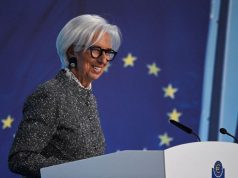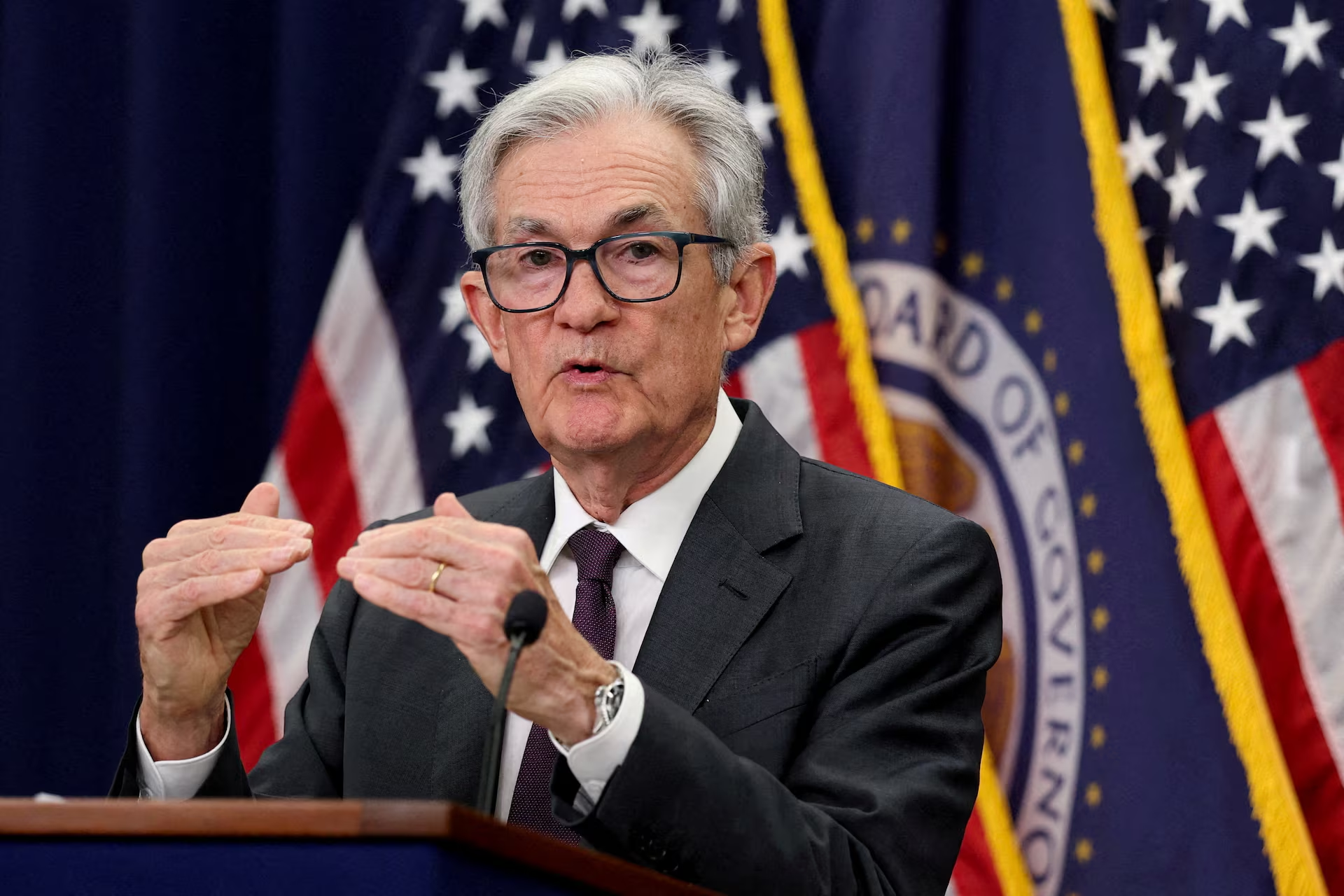
Federal Reserve Chair Jerome Powell stated on Wednesday that policymakers remain uncertain about how rising oil prices, driven by the ongoing Middle East conflict, will impact inflation and the broader U.S. economy.
His remarks followed the Federal Reserve’s decision to keep interest rates unchanged, a move that was widely expected by markets. The central bank’s updated dot plot still points to one potential rate cut this year, although it also raised its outlook for core PCE inflation.
Powell Highlights Uncertainty Over Oil Shock
Powell emphasized that the economic consequences of geopolitical tensions remain unclear. While higher energy prices are expected to push inflation higher in the short term, the overall scale and duration of the impact are still unknown.
He noted that developments in the Middle East will play a critical role in shaping the economic outlook, adding that the Fed will closely monitor how the situation evolves before making policy adjustments.
Fed Holds Interest Rates Steady
The Federal Open Market Committee (FOMC) maintained the federal funds rate at 3.50%–3.75% for the second consecutive meeting. This follows cumulative rate cuts of 75 basis points implemented late last year.
In its statement, the FOMC reiterated its commitment to achieving maximum employment and stable inflation at its long-term target of 2%. However, it acknowledged that uncertainty around the economic outlook remains elevated, particularly due to geopolitical risks.
The latest Summary of Economic Projections (SEP) indicates that core PCE inflation for 2026 is now expected to rise to 2.7% year-over-year, up from the previous estimate of 2.5%.
Powell confirmed that rising oil prices are contributing to this revised inflation outlook, though he also pointed to limited progress on tariffs as another influencing factor.
Inflation Risks Rise as Oil Prices Surge
The Fed’s latest decision comes at a time when inflation in the United States remains above target, while the labor market shows mixed signals.
The ongoing Iran conflict has intensified these challenges, with Brent crude prices surging nearly 50% since late February. As a result, U.S. gasoline prices have climbed to their highest levels since October 2023.
Despite these pressures, the Fed has indicated it may look past short-term energy-driven inflation, provided long-term inflation expectations remain stable.
Market Reaction and Policy Outlook
Financial markets showed limited immediate reaction to the Fed’s decision and updated projections. However, major U.S. indices, including the S&P 500, Nasdaq Composite, and Dow Jones Industrial Average, extended their losses during Powell’s press conference.
Analysts suggest that while the Fed’s decision was largely anticipated, the broader economic backdrop has become more complex. Rising inflation risks combined with signs of a cooling labor market may force the central bank to maintain a higher-for-longer interest rate stance.
Powell Addresses Leadership Uncertainty
Powell also commented on his future as Fed Chair, with his current term set to end in May 2026. President Donald Trump has nominated former Fed governor Kevin Warsh as his successor, although the confirmation process remains uncertain.
Powell indicated that he would continue serving in a temporary capacity if a successor is not confirmed in time. He also addressed an ongoing Department of Justice investigation related to the renovation of a Federal Reserve building, stating his intention to remain in his role until the matter is fully resolved.
Conclusion
The Federal Reserve remains cautious as it navigates a complex economic environment shaped by rising oil prices, geopolitical tensions, and persistent inflation. With uncertainty still high, policymakers are expected to take a wait-and-see approach while monitoring key global developments.