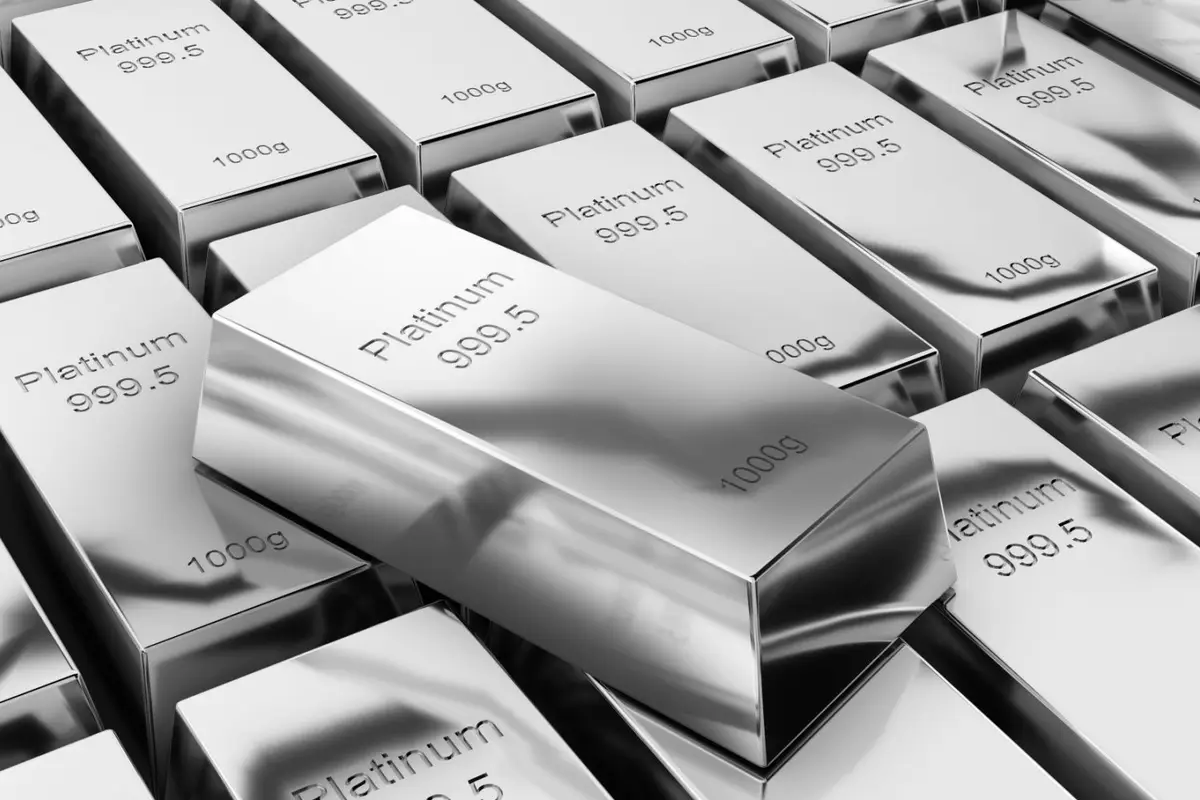
Platinum prices are heading for their strongest monthly gain in almost 40 years, driven by a combination of policy shifts in Europe, constrained supply conditions, and rising investor demand for precious metals.
In December, platinum has surged as the European Union reversed course on its planned 2035 ban on combustion-engine vehicles. The policy change has strengthened demand expectations for platinum group metals (PGMs), which are widely used in catalytic converters. Tight physical supply and renewed interest from investors have added further momentum.
Platinum and palladium, both essential for reducing vehicle exhaust emissions, have posted strong gains this year. Uncertainty around U.S. tariffs, combined with rallies in gold and silver, has helped offset long-term pressure from the global transition toward electric vehicles.
Analysts at Mitsubishi described the EU’s policy shift as a major boost for PGMs, saying it effectively extends their role in catalytic converters. They noted that stricter emissions standards will likely require higher PGM loadings, further supporting demand.
Platinum, which is also used in jewellery and industrial applications, has climbed about 33% in December alone—its largest monthly increase since 1986, according to data from LSEG.
After reaching a record high of $2,478.50 per ounce earlier this week, platinum is now on track for its strongest annual performance on record, with prices up roughly 146% so far this year. Other PGMs have also surged, with palladium gaining around 80% and rhodium rising about 95% in 2025.
Additional support has come from defensive stockpiling and tighter regional supply, particularly as material has flowed toward the United States after Washington added platinum and palladium to its critical minerals list. Market participants are now awaiting greater clarity on U.S. tariff policy, which is expected in January.
The launch of PGM futures trading in China last month has provided another boost. Heavy speculative interest prompted the Guangzhou Futures Exchange to adjust price limits. These contracts mark the first domestic hedging tool for PGMs in China, the world’s second-largest economy and the largest consumer of these metals.
Analysts at Macquarie said sustained Chinese import demand could keep prices elevated, though the next major test for platinum group metals is likely to come once U.S. tariff policy becomes clearer.