Pi Network Claims Block Speed 120x Faster Than Bitcoin Amid Growing Interest
Pi Network developers assert that their blockchain operates at a significantly higher speed than Bitcoin, with a block time of approximately 5 seconds, compared to Bitcoin’s 10-minute intervals—making it around 120 times faster.
Supporters of the project, including Dr. Picoin and Jatin Gupta, highlight Pi Network’s increasing transaction capacity and rising popularity, with daily downloads reportedly reaching 540,000.
However, while Pi Network’s speed surpasses Bitcoin’s, skeptics argue that it still trails behind high-performance blockchains like Solana, Avalanche, Algorand, and EOS, which boast even faster transaction finality.
Pi Network’s Speed Advantage and Growing Popularity
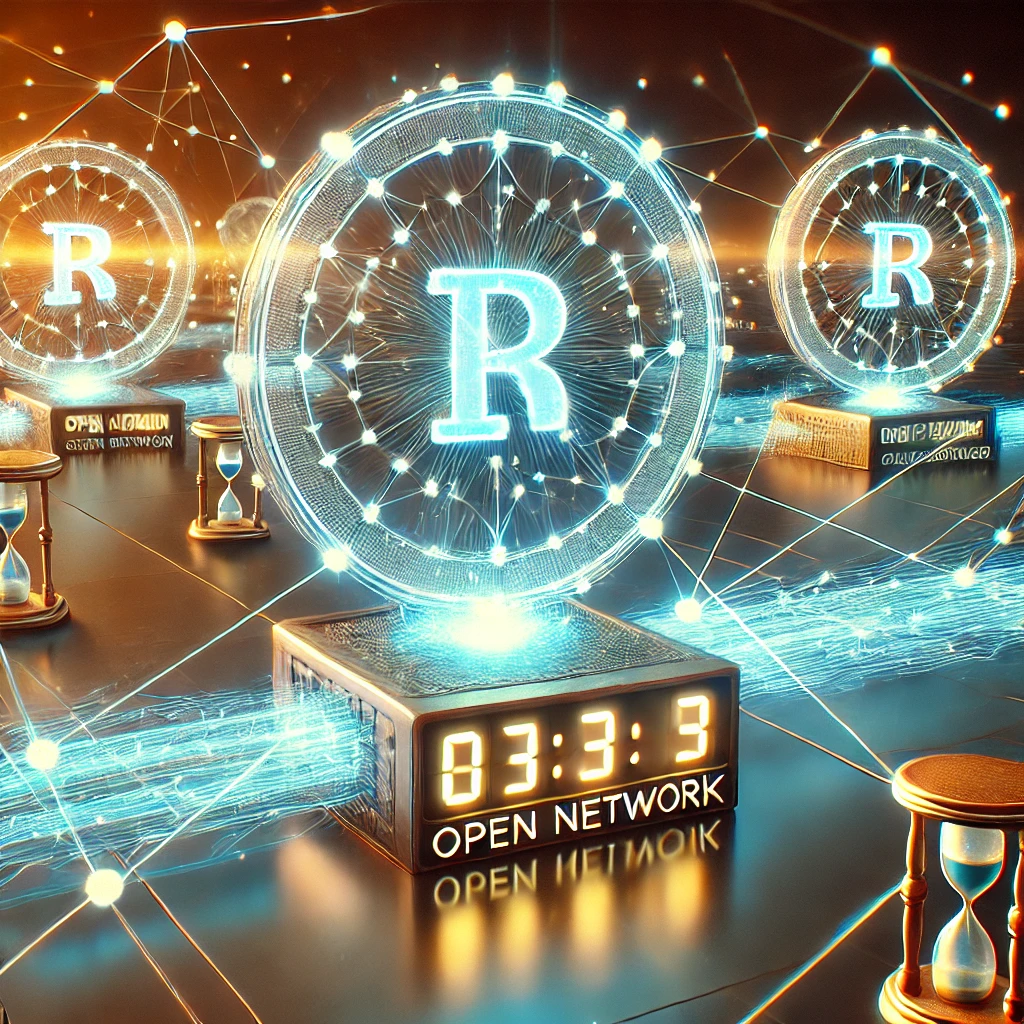
Dr. Picoin, a key proponent of Pi Network, stated on X that the network’s 5-second block time allows for a higher transaction volume per block. This claim comes as the project prepares for its Open Network launch on February 20, an event expected to mark a major milestone for the ecosystem.
Jatin Gupta echoed these sentiments, pointing to Pi Network’s growing traction. He emphasized that the platform has risen to the fourth spot in the social category on Google Play, competing with giants like Facebook and Instagram.
Critics Compare Pi Network to Faster Blockchains
Despite the enthusiasm surrounding Pi Network’s speed, critics argue that it falls short when compared to leading high-throughput blockchain networks. For example:
- Solana achieves a block time of around 0.4 seconds
- Avalanche offers sub-second finality
- Algorand processes blocks in approximately 3.3 seconds
- EOS boasts about 0.5-second block times
These comparisons suggest that while Pi Network is considerably faster than Bitcoin, it may not be among the fastest blockchains currently available.
Upcoming Mining Changes and Regulatory Challenges
Gupta also issued a warning to Pi miners, advising them to prepare for a mining speed reduction in March 2025 due to forthcoming network adjustments. Meanwhile, interest in Pi Network continues to surge, with increasing search trends and ongoing discussions about its future.
However, the project faces regulatory and listing challenges, with exchanges like OKX and Binance engaging in debates over whether to list Pi Network’s token. Despite these hurdles, the project’s developers remain optimistic, working to combat fear, uncertainty, and doubt (FUD) while defending Pi Network’s legitimacy against scam allegations.
Pi Network’s backers are positioning it as a potential key player in the evolving crypto landscape, with hopes of securing mainstream adoption despite its current obstacles.