Oil prices moved higher on Monday as investor attention shifted back to potential threats against Middle East oil export facilities, despite calls from U.S. President Donald Trump for international cooperation to protect the Strait of Hormuz, one of the world’s most important energy shipping routes.
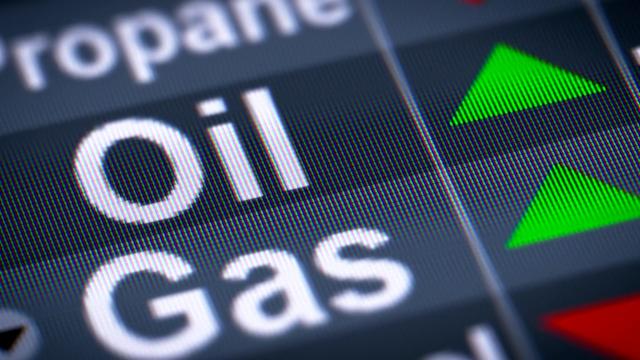
By 07:30 GMT, Brent crude futures had climbed $2.73, or 2.7%, to $105.87 per barrel after closing $2.68 higher in the previous session. Meanwhile, U.S. West Texas Intermediate (WTI) crude rose $1.65, or 1.7%, to $100.36 per barrel following a nearly $3 increase on Friday.
Both benchmark contracts have surged more than 40% this month, reaching their highest levels since 2022. The rally followed U.S. and Israeli strikes on Iran, which prompted Tehran to suspend shipping through the Strait of Hormuz, temporarily disrupting roughly one-fifth of global oil supply in what analysts describe as one of the most significant supply shocks in recent years.
According to commodity strategists at ING, supply concerns intensified after U.S. strikes targeted Kharg Island, a critical hub through which most of Iran’s oil exports pass. Although reports suggest that the attacks primarily targeted military infrastructure rather than energy facilities, analysts warned that the situation still poses risks to oil supply, particularly since Iranian crude is currently among the few shipments moving through the Strait of Hormuz.
Over the weekend, President Trump warned that additional strikes could target Kharg Island, which handles around 90% of Iran’s oil exports, following earlier attacks on military facilities in the area. The threats triggered a strong response from Tehran, raising fears of further escalation in the region.
Shortly after the strikes, Iranian drones reportedly attacked a key oil terminal in Fujairah in the United Arab Emirates. While oil loading operations at the port have since resumed, sources indicated it remains unclear whether activity has fully returned to normal levels.
The Fujairah terminal, located outside the Strait of Hormuz, serves as an export route for approximately 1 million barrels per day of the UAE’s Murban crude, representing about 1% of global oil demand.
Analysts warn that the geopolitical situation could escalate further. Erik Meyersson, an analyst at SEB, noted that the United States is reportedly considering several high-risk options, including potential operations targeting Iran’s nuclear facilities, seizure of the Kharg Island oil hub, or military actions aimed at securing the Strait of Hormuz.
Such scenarios, he said, would significantly increase geopolitical risks and could further disrupt global energy markets.
President Trump reiterated on Sunday that the United States is urging allied nations to help secure the Strait of Hormuz, adding that Washington is currently holding discussions with several countries about protecting the key maritime corridor.
He also confirmed that the U.S. remains in contact with Iranian officials but expressed skepticism about whether Tehran is prepared to engage in serious negotiations to resolve the conflict.
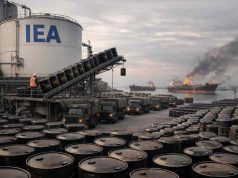
Meanwhile, the International Energy Agency (IEA) announced that more than 400 million barrels of strategic oil reserves will soon be released into global markets. The record drawdown is intended to stabilize prices and offset supply disruptions caused by the ongoing Middle East conflict.
The IEA said oil stocks from Asia and Oceania will be released immediately, while reserves held in Europe and the Americas are expected to reach the market toward the end of March.
With the conflict now entering its third week, uncertainty remains high. Analysts warn that the absence of a clear resolution has heightened concerns in global markets about the risk of a broader escalation.
Despite these risks, U.S. Energy Secretary Chris Wright said he expects the conflict to end within the next few weeks, which could allow oil supplies to stabilize and energy prices to decline afterward.