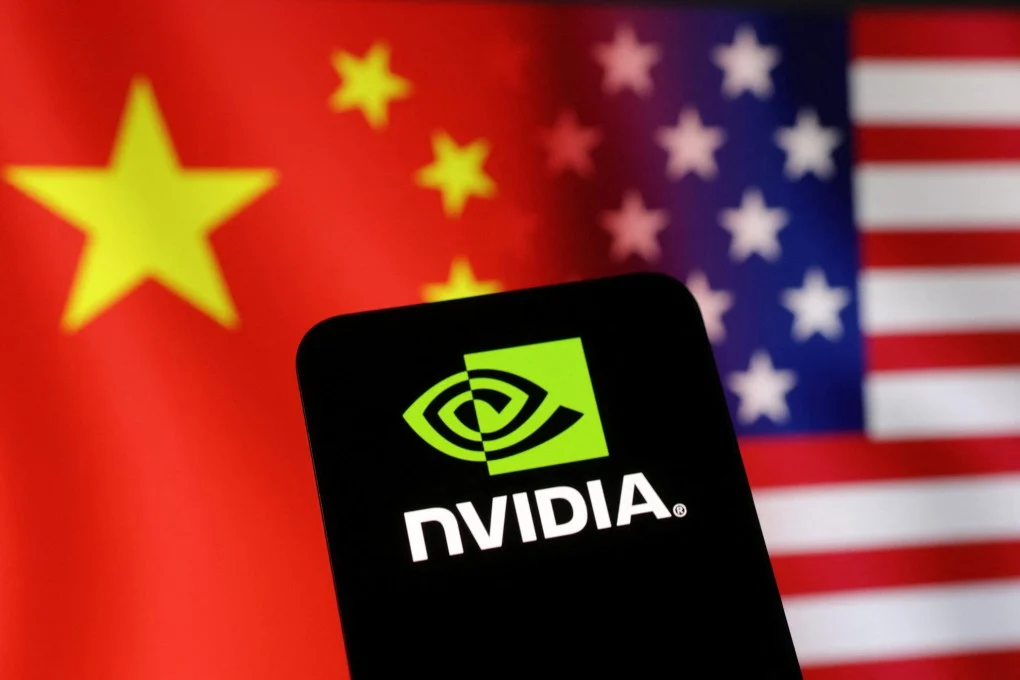
Nvidia has warned officials in the Trump administration that newly imposed restrictions on chip exports to China are overly stringent and risk undermining demand, potentially complicating the company’s access to the Chinese market, according to a report by Wall Street Journal.
The chipmaker has raised concerns that compliance requirements for buyers of its H200 artificial intelligence chips — including major Chinese technology groups such as Alibaba and ByteDance — are excessively burdensome. Nvidia reportedly warned that these hurdles could weaken President Donald Trump’s plan for the U.S. government to receive a 25% share of sales tied to approved chip exports, according to people familiar with the discussions.
The H200 chip, launched in 2024, is less advanced than Nvidia’s newer Blackwell and Rubin processors. The Trump administration allowed exports of the H200 as a way to preserve U.S. competitiveness in China’s large AI market without significantly boosting the country’s most advanced artificial intelligence capabilities.
However, security experts have cautioned that the H200 remains powerful enough to influence the global AI race. Within the administration, some officials — particularly at the State Department and other agencies — have pushed for even tighter controls on such exports.
Earlier this week, the Financial Times reported that the State Department’s push for stricter oversight has slowed approval processes for chip sales to China, adding further uncertainty for companies seeking export clearance.