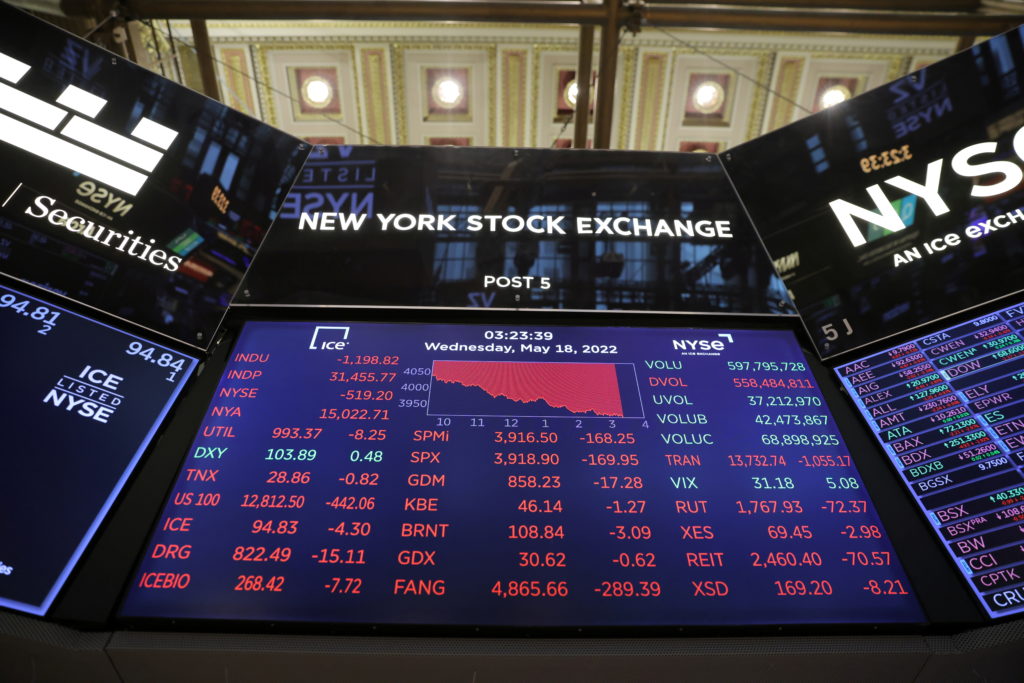
Wall Street traded lower on Wednesday as losses in technology stocks deepened, weighed down by a sharp post-earnings selloff in chipmaker Advanced Micro Devices. Investors also digested softer U.S. labor data while positioning cautiously ahead of key earnings from Alphabet due after the closing bell.
By 13:38 ET (18:38 GMT), the tech-heavy NASDAQ Composite had fallen 2% to 22,796.56, while the benchmark S&P 500 slipped 0.8% to 6,857.23. The Dow Jones Industrial Average briefly reversed earlier gains but was last down 0.1% at 49,194.34, as a strong rally in drugmaker Amgen failed to offset broader weakness.
Tech selloff deepens as Alphabet earnings loom
Sentiment toward technology and software stocks has turned increasingly negative in recent sessions, as investors reassess lofty valuations and the potential disruptive impact of new artificial intelligence models. The sector extended Tuesday’s decline, with capital rotating into previously lagging areas such as materials, consumer staples, and energy.
Will Tamplin, senior analyst at Fairlead Strategies, said the shift away from technology has gathered pace at the start of February. He noted that technology’s heavy weighting—nearly one-third of the S&P 500—means sustained underperformance is acting as a drag on the broader index. Tamplin added that near-term indicators for the S&P 500 have deteriorated slightly, with key support seen near 6,730 and secondary support around the 200-day moving average at 6,445.
Investors are now focused on Alphabet’s quarterly results, with particular attention on the company’s sizable investments in artificial intelligence. Like other mega-cap peers, Alphabet has committed billions of dollars to AI-related infrastructure, including data centers and advanced chips.
The AI trade remained under pressure after AMD shares plunged following a disappointing first-quarter outlook, even as the chipmaker reported a record $10.3 billion in fourth-quarter revenue.
Elsewhere on the earnings front, Eli Lilly shares surged after the drugmaker issued an upbeat sales forecast, driven by strong demand for its weight-loss treatments. Amgen also advanced after posting earnings beats and reaffirming confidence in its experimental obesity drug MariTide. In contrast, Uber Technologies shares fell after fourth-quarter results missed analyst expectations.
U.S. labor data disappoints
Outside of corporate earnings, fresh data showed U.S. private payroll growth slowed more than expected in January. According to the ADP national employment report, private employment increased by just 22,000 jobs, following a downwardly revised 37,000 gain in December and well below forecasts for a 50,000 increase.
With a brief government shutdown delaying the official monthly jobs report, the ADP data currently offers one of the clearest snapshots of January labor market conditions. Meanwhile, the Institute for Supply Management’s services PMI held steady at 53.8, above expectations and consistent with continued expansion in the services sector.
Trump–Xi call in focus
Markets also reacted to developments on the geopolitical front. Donald Trump said he held a phone call with Xi Jinping, discussing topics including trade, Taiwan, and U.S. energy and agricultural exports to China. Trump described the relationship as positive and confirmed plans to visit China in April.
Commodities: oil surges, gold pulls back
In commodity markets, gold prices reversed earlier gains after rebounding toward the $5,100 per ounce level on renewed U.S.–Iran tensions. The precious metal had suffered a historic selloff last Friday before staging a strong recovery on Tuesday.
Oil prices jumped sharply after reports said nuclear talks between the United States and Iran scheduled for Friday had been canceled. Brent crude futures for April rose 3.1% to $69.41 a barrel, while West Texas Intermediate crude gained 3.2% to $65.22 a barrel. Both benchmarks had already climbed nearly 2% in the previous session, as geopolitical risks in the Middle East intensified.