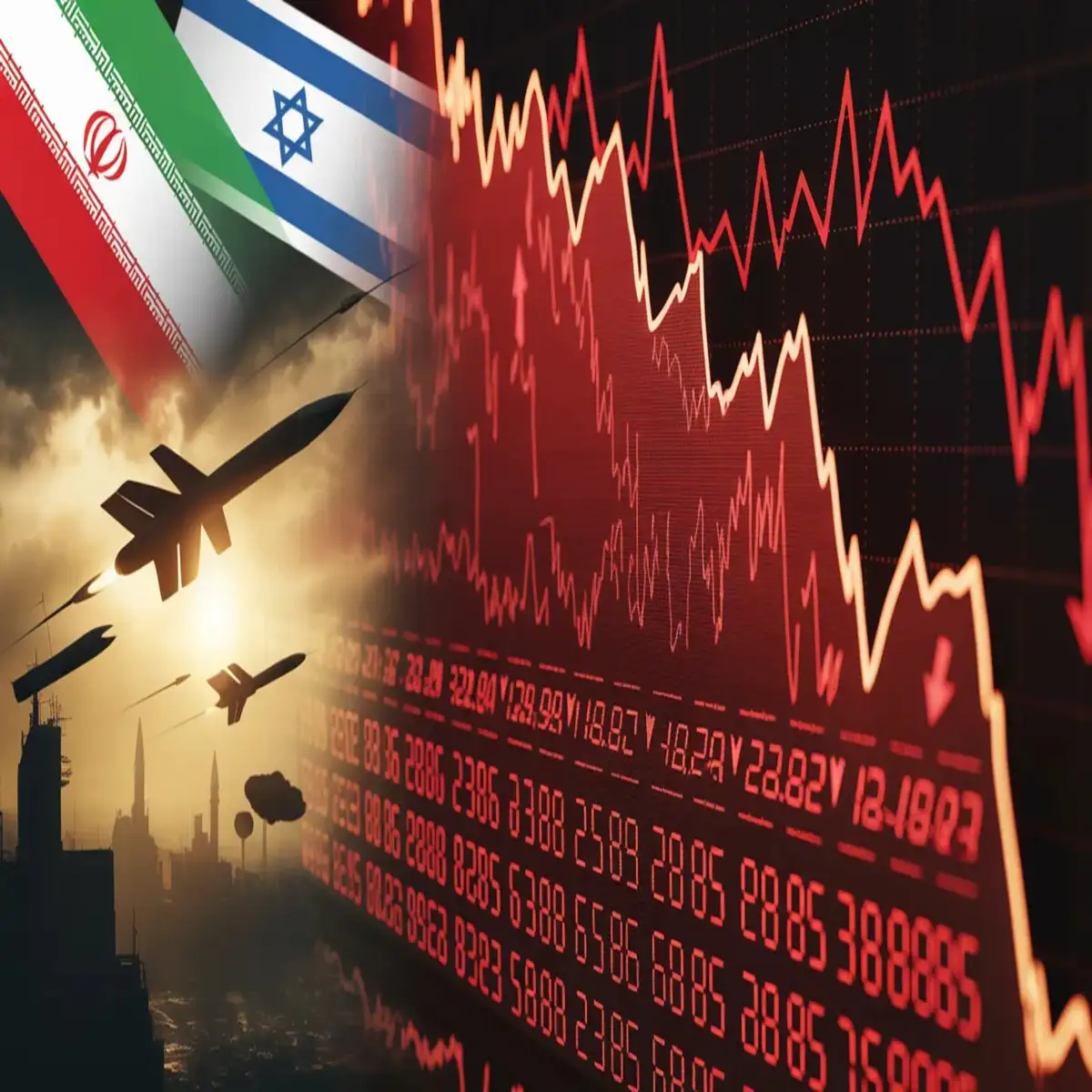
Markets Reprice Risks as Iran War Escalates
Global investors are reassessing the economic impact of the escalating Iran conflict, triggering widespread selling across financial markets. Assets ranging from government bonds to equities and even gold have come under pressure, raising concerns about a broader market disruption.
This shift reflects growing uncertainty over how deeply the conflict could affect the global economy.
Energy Prices Surge on Middle East Attacks
Oil prices spiked sharply, with Brent crude reaching as high as $119 per barrel after Iran targeted key energy infrastructure in response to earlier strikes on its South Pars gas field.
European gas prices also surged by 22% in a single day, underscoring the region’s heavy reliance on imported energy.
At the same time, the price gap between Brent crude and U.S. West Texas Intermediate widened to $12.05 per barrel—the largest spread since 2015—highlighting the global impact of supply disruptions.
Central Bank Signals Add to Market Pressure
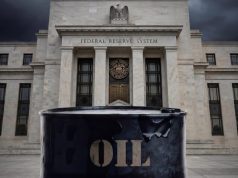
Market volatility has been intensified by hawkish signals from major central banks, including the U.S. Federal Reserve. In a rare alignment, all G7 central banks held meetings within a 24-hour period.
As inflation concerns rise, traders are scaling back expectations for U.S. rate cuts this year and increasing bets on rate hikes in Europe, where policymakers are seen as more sensitive to energy-driven inflation.
Bond Yields Surge Across Major Economies
Government bond yields climbed sharply across key economies, including the United States, the United Kingdom, and Italy.
The UK experienced particularly strong moves, with two-year bond yields jumping more than 30 basis points—marking the largest daily increase since the market turmoil triggered by the 2022 fiscal crisis.
Stocks and Gold Decline Amid Growing Uncertainty
Investor sentiment weakened across asset classes. European equities posted one of their largest daily losses since the conflict began, while gold prices dropped by 4%, signaling a shift in market positioning.
Even the U.S. dollar, which initially benefited from safe-haven demand, weakened against major currencies such as the yen and the euro.
Escalation Raises Concerns Over Prolonged Conflict
Analysts point to the targeting of energy infrastructure as a significant escalation, increasing uncertainty about how the conflict may evolve.
This development has prompted markets to adopt a more cautious stance, as investors reconsider earlier assumptions that the conflict would remain short-lived.
Rate Hike Expectations Gain Momentum
Expectations for tighter monetary policy have strengthened in recent days. The Bank of England reinforced this trend by maintaining its current rate while signaling concerns about inflation.
Markets now anticipate at least two rate hikes from the Bank of England by the end of the year, with the possibility of a third.
Similarly, traders expect multiple rate increases from the European Central Bank, reflecting heightened inflation risks across the euro area.
Inflation vs Growth: A Delicate Balance
Rising energy prices are creating a difficult trade-off for policymakers. On one hand, inflationary pressures are building, supporting the case for higher interest rates. On the other, there are growing concerns that elevated energy costs could slow economic growth.
This tension between inflation and growth is driving ongoing volatility in financial markets, making short-term direction increasingly uncertain.