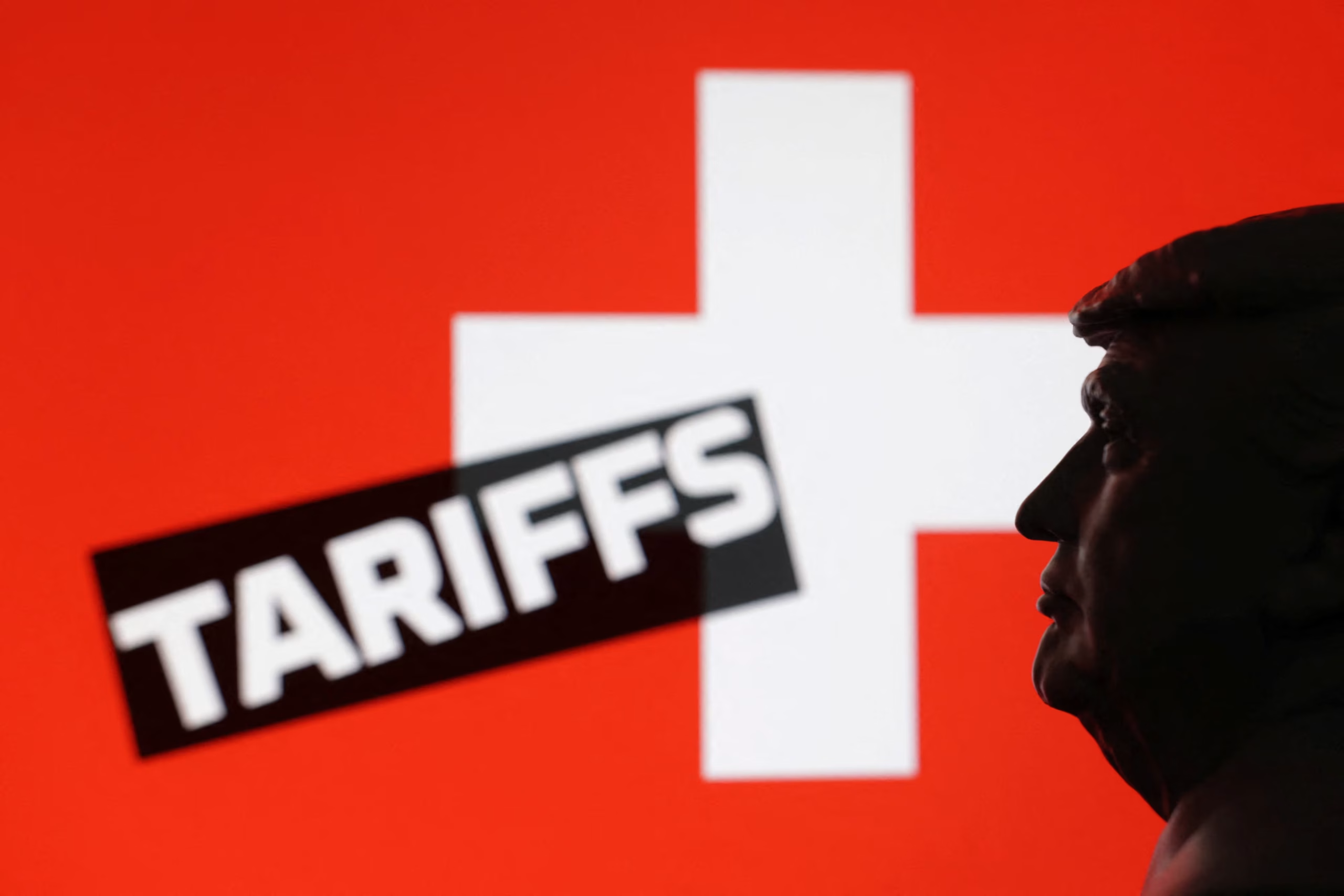
The Swiss government announced on Wednesday that U.S. tariffs on Swiss goods will be reduced to 15% from the previous 39%, and the change will apply retroactively from November 14. This move offers immediate relief to Swiss businesses, which had been facing the highest U.S. duties in Europe.
On November 14, the United States and Switzerland reached a preliminary agreement. Under the deal, Washington committed to lowering tariffs, while Swiss companies agreed to invest $200 billion in the U.S. economy by the end of 2028.
According to the Swiss government, the trade-weighted tariff burden on Swiss exports will now drop to an estimated 7% to 9%. This marks a reduction of roughly 10 percentage points compared with the earlier 39% level.
Last month, both sides also settled on limits for future U.S. tariffs on pharmaceutical products. These goods represent a major share of Swiss exports. Under Section 232 national security investigations, any additional tariffs on these items will be capped at 15%.
However, Swiss Economy Minister Guy Parmelin, who led the negotiations, cautioned that uncertainty remains. He noted that the Trump administration had previously suggested the possibility of higher tariffs on prescription drugs. Speaking at a press conference, Parmelin said, “You never know what could happen,” shortly after being confirmed as Switzerland’s next president under the country’s rotating one-year system.
President Donald Trump imposed the original 39% tariffs in August, citing the U.S. trade deficit with Switzerland. These duties, the highest placed on any European nation, caught Swiss businesses by surprise.
Swiss companies welcomed the new tariff reductions, which bring them back to competitive parity with firms in the European Union. Still, the agreement between the two countries must be formalized, with negotiations expected to conclude by the first quarter of 2026. Parmelin added that U.S. officials understood that Switzerland’s approval process may take time.
Many exporters had delayed shipments while waiting for the lower tariffs to take effect. Victorinox, the well-known maker of Swiss Army knives, said the decision brings relief to its largest export market. CEO Carl Elsener noted that the tariff cut “creates a significantly more manageable framework for our exports to the United States.”
Economists expect the lower tariffs to support Switzerland’s economy. Hans Gersbach of the KOF Institute at ETH Zurich estimated the tariff reduction could boost Swiss growth by 0.3 to 0.5 percentage points next year.