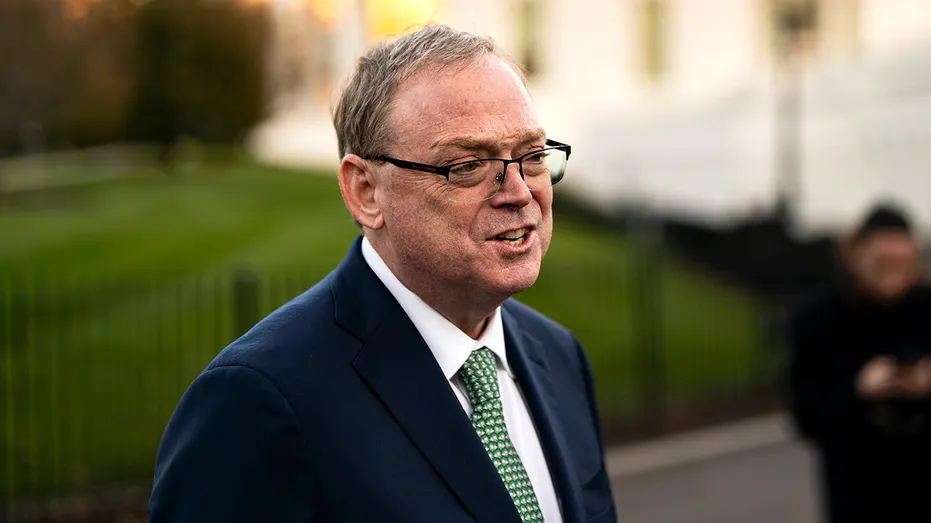
Kevin Warsh has emerged as the new frontrunner to replace Jerome Powell as Chair of the U.S. Federal Reserve, following growing resistance to Kevin Hassett’s candidacy. Prediction markets show a sharp shift in expectations as traders reassess who President Donald Trump is most likely to nominate.
According to Polymarket data, Kevin Warsh now holds a 46% probability of being selected as the next Fed chair, narrowly overtaking Hassett, whose odds have fallen to 44%. This represents a dramatic reversal from earlier this month, when Hassett’s chances reportedly climbed as high as 85%.
Similar trends are visible on Kalshi, where traders currently assign Warsh a 52% likelihood of leading the Federal Reserve, compared with 44% for Hassett. The sudden change reflects mounting skepticism among market participants regarding Hassett’s prospects.
The decline in Hassett’s odds began after President Trump told The Wall Street Journal that Warsh ranked at the top of his shortlist of potential replacements for Powell. Reports indicate that Warsh impressed the president during a recent interview, strengthening his position in the race.
Warsh’s rise accelerated further following a CNBC report stating that several of Trump’s close advisors have pushed back against Hassett’s nomination. These advisors reportedly raised concerns that Hassett’s close ties to the president, as director of the National Economic Council, could undermine the Federal Reserve’s independence.
Despite this pushback, Hassett had initially gained momentum due to his strong relationship with Trump and his public openness to supporting aggressive interest rate cuts if appointed Fed chair. That stance aligned closely with the president’s repeated calls for lower borrowing costs.
Trump has previously made clear that support for rate cuts is a key factor in deciding the next Fed chair. In recent remarks, the president suggested that Warsh broadly agrees with his monetary policy views, indicating that Warsh may also favor lower interest rates. This alignment has reinforced market expectations that Warsh could ultimately secure the nomination.