Inflation Ticks Up in June as Tariff Effects Begin to Show
Prices rose across a range of consumer goods in June—from coffee to electronics and home furnishings—fueling a pickup in inflation that economists increasingly link to the Trump administration’s rising import tariffs.
Consumer prices rose by 0.3% in June, translating to an annualized pace of about 3.5%, following a 0.1% increase in May. Many economists and Federal Reserve officials had anticipated this summer would bring faster inflation as the delayed effects of tariffs begin to filter through supply chains to consumers. June’s data suggest the Fed may delay cutting interest rates until it has a clearer picture of inflation trends.
While the impact of tariffs might prove temporary, uncertainty remains high. With final decisions on tariff levels still pending and further increases—potentially as early as August 1—on the table, the inflation outlook remains unsettled.
“Today’s report showed that tariffs are beginning to bite,” said Omair Sharif of Inflation Insights. He pointed to notable increases in apparel, home furnishings, and recreational items—goods that are heavily imported.
Prices for audio-visual equipment alone rose 1.1% in June and are up 11.1% over the past year—an unprecedented jump in a category that typically sees price declines due to global supply chains.
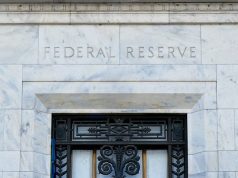
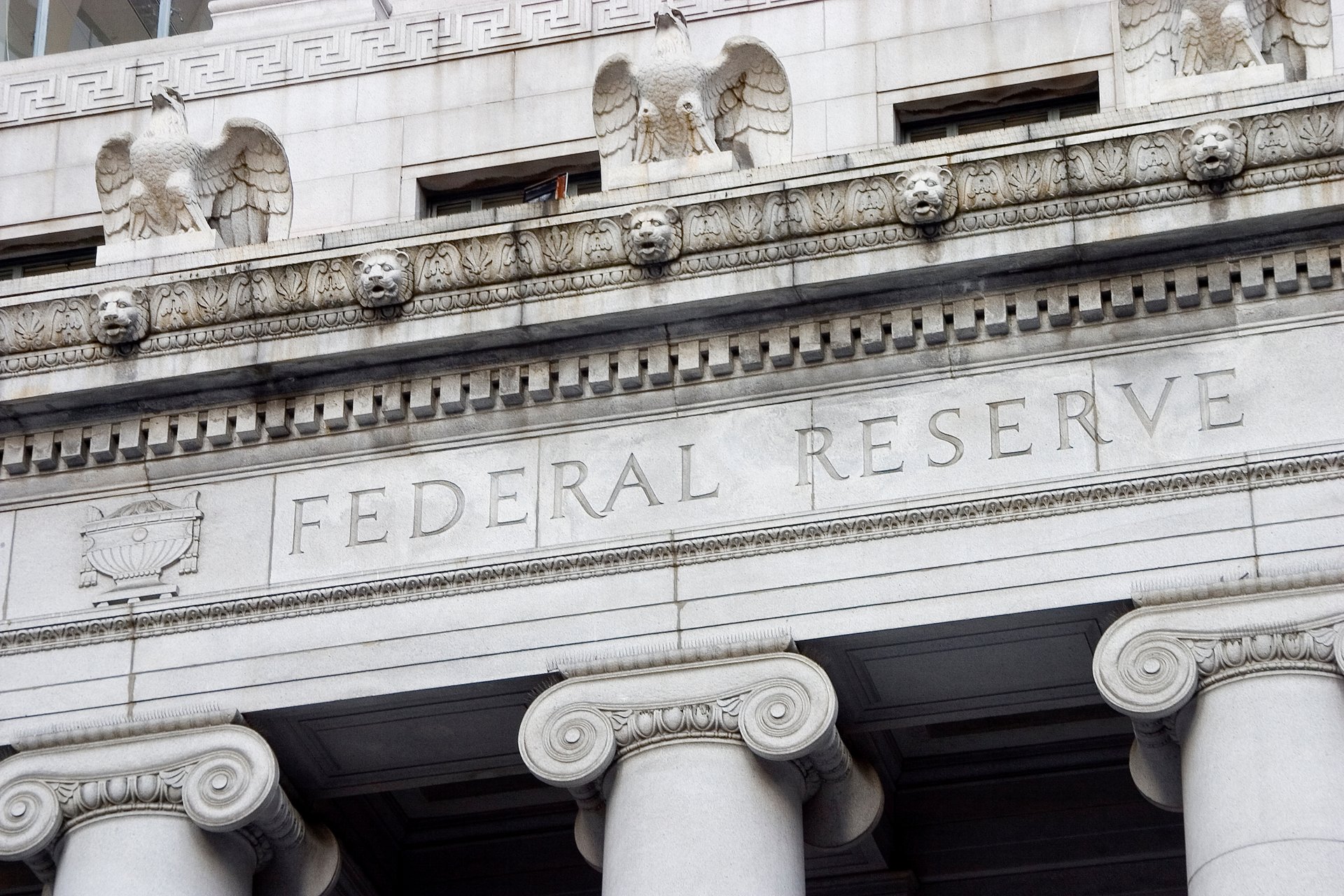
The Federal Reserve, already under frequent pressure from President Trump to lower interest rates, may remain cautious. Treasury yields rose to a one-month high, and futures markets now reflect growing doubt that the Fed will cut rates in September, with odds of a July move dropping below 5%, according to CME Group models.
In a speech on Tuesday, Federal Reserve Bank of Boston President Susan Collins warned that tariffs are likely to raise inflation while also slowing growth and employment. However, she noted that strong financial positions among businesses and households could help cushion the blow.
“The effect of tariffs may be somewhat muted if firms absorb some costs by narrowing profit margins and consumers keep spending despite price increases,” Collins said.
President Trump, on social media, maintained that prices remain “LOW” and reiterated his call for rate cuts. Since December—just before the start of his second term—consumer prices have risen about 1.2%.
White House Press Secretary Karoline Leavitt highlighted that core inflation, which excludes food and energy, rose slightly less than expected, arguing that this shows Trump is keeping inflation under control.
Core inflation rose at a 2.9% annual pace in June, slightly below the 3% forecast, though still up from May. Rising food and energy costs helped push overall inflation to 2.7%, up from 2.4% the month prior.
“Tariffs are slowly showing up in categories like furniture, apparel, and recreation,” said Seema Shah of Principal Asset Management. “The Fed would be wise to stay on the sidelines a little longer.”
While investors still expect the Fed to lower its benchmark interest rate from the current 4.25%–4.5% range by a quarter-point in September, those odds are no longer seen as a given.
Fed Chair Jerome Powell previously identified this summer as a key moment to evaluate how tariffs are affecting inflation. So far, the effects have been limited—but economists expect more visible price pressure ahead.
“There’s a lag between when tariffs are imposed and when they affect prices,” said Gregory Daco of EY-Parthenon. “We haven’t seen the full impact yet, but it’s coming.”
Tariff Effects Take Hold
The June CPI data suggest that the Fed’s preferred inflation gauge, the PCE price index, could remain above the 2% target. In May, the core PCE rose at a 2.7% annual rate, and the latest Fed projections place it at 3.1% by year-end. New tariffs scheduled for August could push that even higher.
JP Morgan economist Michael Feroli estimated that if Trump’s proposed tariffs are fully passed through to consumers, they could add 0.4 percentage points to PCE inflation. Accounting for partial pass-through and margin compression, the more likely impact would be 0.2 to 0.3 points—enough, he said, to justify a cautious Fed stance.
Price increases are already diverging across categories, with several goods rising faster than in earlier tariff rounds. Household furnishings, for example, rose 1% in June after months of decline earlier in the year.
Omair Sharif pointed to “recreational commodities”—toys, electronics, and other items often imported from China—which rose 0.8% in June, double the pace of previous months. Outdoor tools and equipment also showed volatility, though increases slowed in June.
Still, “tariff costs are clearly visible in June’s CPI report,” wrote Samuel Tombs of Pantheon Macroeconomics. Excluding autos, non-food and non-energy goods rose at their fastest pace since June 2022. Tombs noted especially sharp increases in imported goods like appliances, sports gear, and toys, which saw monthly price increases nearing 2%.