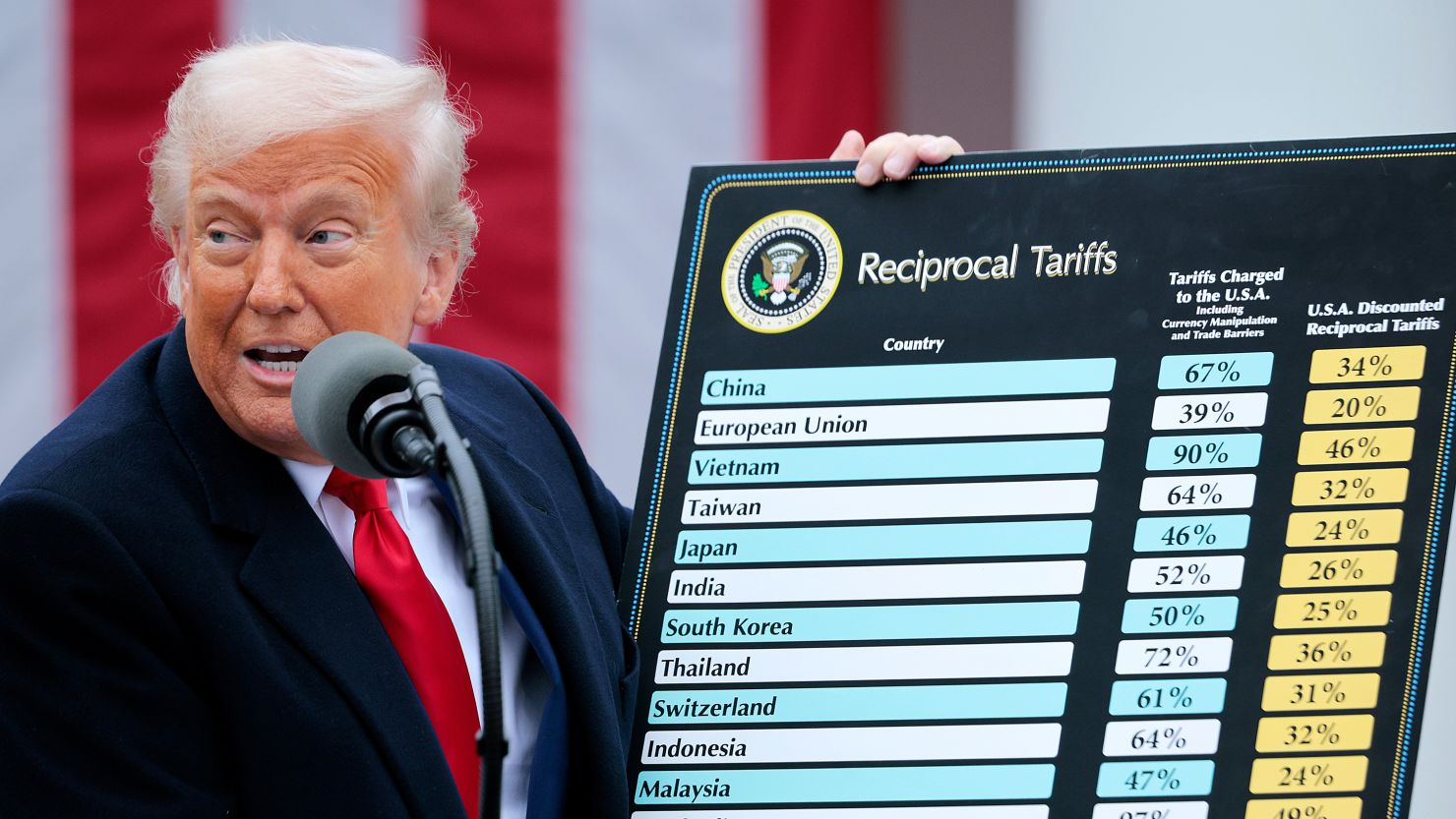
Markets may be exhaling for now as President Trump eases off the most aggressive “Liberation Day” tariffs, but JPMorgan analysts caution that the global trade conflict is far from resolved. They warn that tensions could quickly flare again—especially if ongoing trade negotiations with Washington collapse.
“The trade war isn’t over. In fact, it could escalate again, pushing tariffs higher than current levels,” JPMorgan stated. They highlighted that the July 8 deadline marks the end of the current 90-day tariff reprieve and noted that, aside from China and the UK, few major trade deals have materialized.
While the U.S.–China tariff rollback has somewhat alleviated global recession fears—prompting JPMorgan to reduce its U.S. recession risk estimate from 60% to 40%—the analysts say the relief may be short-lived. The effective U.S. tariff rate has dropped nearly 10 points to 13.4%, halving the expected drag on global GDP from 1% to 0.5%.
However, this progress hasn’t been shared evenly. Although China and the UK have reached trade agreements, other major partners—like the EU, Japan, and Canada—remain in tough talks. The EU is pushing for full tariff removal, while the U.S. wants to maintain a minimum 10% base tariff with potential sector-specific hikes, a stance that could trigger retaliation and ignite regional trade tensions.
JPMorgan believes Trump is unlikely to reinstate the full “Liberation Day” tariff package, but warns that targeted tariffs could re-emerge if negotiations falter. “Ratcheting up tariffs by country or industry could again push the U.S. toward recession,” the analysts noted.
Strategic exemptions for sectors like electronics, pharmaceuticals, copper, lumber, energy, and critical minerals could also be temporary. JPMorgan estimates that applying a 10% tariff to these areas (excluding energy) would raise the average tariff rate to 15.8%—or 11.8% without China. Raising that to 25% would drive it even higher, to 18% (14.3% ex-China), significantly raising recession risks.
The ongoing negotiations, some of which remain deeply contentious, suggest that tariff risks are skewed toward the upside. JPMorgan added that trade-related policy uncertainty continues to act as a drag on growth. “According to the IMF, uncertainty surrounding trade policies effectively doubles the GDP impact of the tariff shock,” they noted.
Although recession fears have somewhat abated since April’s peak, JPMorgan believes the recovery will be partial at best. “Elevated uncertainty around trade policy will continue to be a headwind for global economic growth—even if the chances of follow-on effects like supply chain disruptions have diminished,” they concluded.