BOJ Governor Ueda and PM Takaichi to Hold First Meeting Since Election Victory
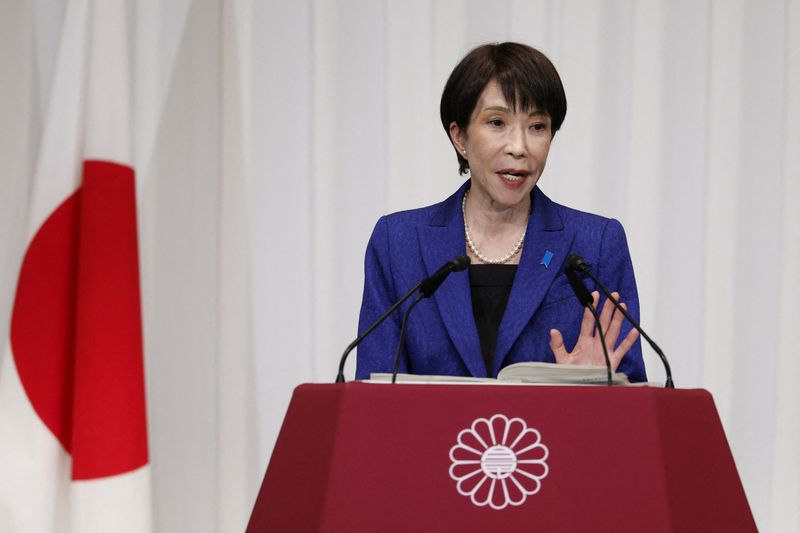
Bank of Japan Governor Kazuo Ueda and Prime Minister Sanae Takaichi are set to meet on Monday for their first one-on-one talks since the ruling party’s landslide election win. The meeting, scheduled for 5 p.m. (0800 GMT), is expected to focus on Japan’s economic outlook and the central bank’s interest rate policy.
Rising Inflation and Yen Volatility in Focus
The discussion comes amid growing market speculation that persistent inflation — partly driven by the previously weak yen — could push the Bank of Japan (BOJ) to raise interest rates as early as March or April.
When the two leaders last met in November, their talks helped pave the way for the BOJ’s rate hike in December. At the time, the yen had been under heavy pressure, as investors believed Takaichi might resist an early policy tightening.
Following that November meeting, Ueda said the prime minister appeared to understand the BOJ’s strategy of gradually lifting rates to guide the economy smoothly toward its 2% inflation target. One month later, the central bank raised its short-term policy rate to 0.75%, marking the highest level in 30 years.
Election Victory Raises Policy Questions
Takaichi’s decisive election victory on February 8 has intensified investor scrutiny over whether she will renew calls for keeping interest rates low. Known for supporting expansionary fiscal and monetary policies, the prime minister remained largely silent on BOJ policy during her campaign. However, some of her remarks were interpreted by markets as favoring a weaker yen.
The recent rebound in the Japanese yen may influence the government’s stance on future rate hikes. After weakening close to the psychologically significant 160 level against the dollar in January, the yen surged nearly 3% last week — its strongest weekly performance since November 2024. On Monday, the dollar traded around 152.66 yen in Asian markets.
BOJ Independence and Market Expectations
Although the Bank of Japan operates independently under Japanese law, it has historically faced political pressure, particularly when currency volatility impacts the broader economy. Movements in the yen have often played a critical role in shaping policy decisions, as government officials seek measures to stabilize markets.
Under Ueda’s leadership, the BOJ ended its predecessor’s aggressive stimulus program in 2024 and has raised short-term interest rates several times, including in December. With inflation remaining above the 2% target for nearly four years, the central bank has reiterated its readiness to tighten policy further. Financial markets currently price in roughly an 80% probability of another rate hike by April.
Takaichi also holds the authority to appoint two new members to the BOJ’s nine-member policy board later this year, a move that could significantly influence future monetary policy debates.
The BOJ governor and the prime minister typically meet once every quarter to review economic conditions and price developments. Monday’s talks are expected to provide further clarity on the direction of Japan’s monetary policy at a time of heightened market sensitivity.