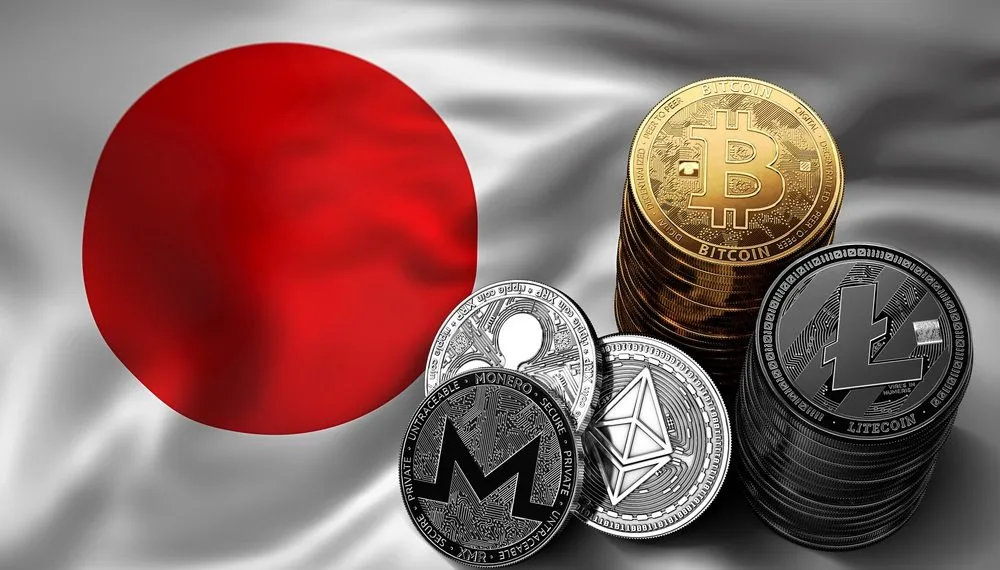
Japan’s crypto industry is on the verge of a major expansion, according to market observers. The government is preparing to introduce a moderate 20% tax on digital assets, a change that could make cryptocurrency far more attractive to everyday retail investors.
Lawmakers in Japan’s National Diet reportedly support a proposal from the Financial Services Agency (FSA) to adjust the current tax system. The plan would lower the maximum tax rate on crypto earnings from 55% down to 20%, bringing crypto taxation closer to the rules used for traditional investments and securities.
This shift reflects a broader softening of Japan’s stance on digital assets. After years of uncertainty and strict regulation, crypto is gradually becoming part of the country’s official economic strategy. Lower taxes are expected to draw in new retail traders and accelerate mainstream adoption.
Why Lower Crypto Taxes Matter for Japan
For many years, cryptocurrencies existed in a regulatory “gray zone” in Japan. Following the 2014 collapse of the Mt. Gox exchange, digital assets such as Bitcoin were not considered currency or securities and were therefore not regulated under laws like the Banking Act or the Financial Instruments and Exchange Law. This prevented banks and licensed securities firms from offering crypto-related services.
Japan introduced its first regulatory framework in 2016 under the Payment Services Act (PSA). Updates in 2017 formally legalized cryptocurrencies, established rules for exchanges and added requirements such as Anti-Money Laundering, Know Your Customer procedures, and mandatory registration. Crypto income, however, was categorized as “miscellaneous income,” taxed progressively at rates up to 45% plus an additional 10% resident tax – reaching a total burden of 55%.
A flat 20% capital gains tax would bring digital assets in line with traditional financial products and is expected to encourage more retail participation.
Industry leaders agree. Sota Watanabe, CEO of Startale, said the tax shift marks “a big day for Japan” and predicted that lower taxes will bring more Japanese investors on-chain.
Haseeb Qureshi of Dragonfly added that high tax rates have kept trading activity low despite Japan’s large economy. With a GDP comparable to Germany and India, Japan remains a “sleeping giant” in crypto, held back mainly by taxation.
A Growing Ecosystem Backed by Clearer Regulations
Japan’s regulatory evolution continued after the Coincheck hack in 2018, which resulted in the theft of over $350 million. In response, exchanges formed the Japan Virtual Currency Exchange Association (JVCEA), a self-regulatory body later approved by the FSA. Regulators also introduced clearer definitions, reporting requirements and standards for platforms operating in Japan.
In 2022, the government allowed certified institutions to offer fiat-backed stablecoins and began treating some cryptocurrencies as financial products. These updates encouraged new services and sparked renewed interest in digital assets, especially as inflation outpaced wage growth and investors sought better returns.
Overall crypto holdings in Japan have grown steadily, and accounts related to digital asset trading continue to rise. Market observers believe there is still significant room for expansion. Bitbank CEO Noriyuki Hirosue said the tax reform “could hugely expand the market,” while Watanabe emphasized that the government’s willingness to work with industry leaders shows a positive long-term direction.
Coincheck executive Satoshi Hasuo noted that there are still far more people with traditional trading accounts than crypto accounts. Converting these users will be the next major challenge, and exchanges are preparing for a surge in demand.
Competition Rises as Japan Prepares for New Retail Traders
Major corporations are already moving to capture the expected growth. Companies like SBI, Sony, Sega and Nomura are rapidly expanding their blockchain and crypto operations. SBI VC Trade is considering offering higher leverage, while SBI Holdings has partnered with Circle to launch lending services using USDC.
Meanwhile, Japanese brands are using NFTs to appeal to tourists and capitalize on well-known intellectual property such as Hello Kitty. In early 2025, HTT Digital collaborated with 22 companies, including Sanrio, Nissan and Yamaha, to release a new NFT collection.
With expanding product offerings and more supportive government policies, Japan’s crypto sector appears ready for a new phase of growth as digital assets become increasingly integrated into the country’s financial system.