Japan is prepared to work closely with international partners and take action if needed to address market volatility caused by the escalating Middle East conflict, Finance Minister Satsuki Katayama said on Friday.
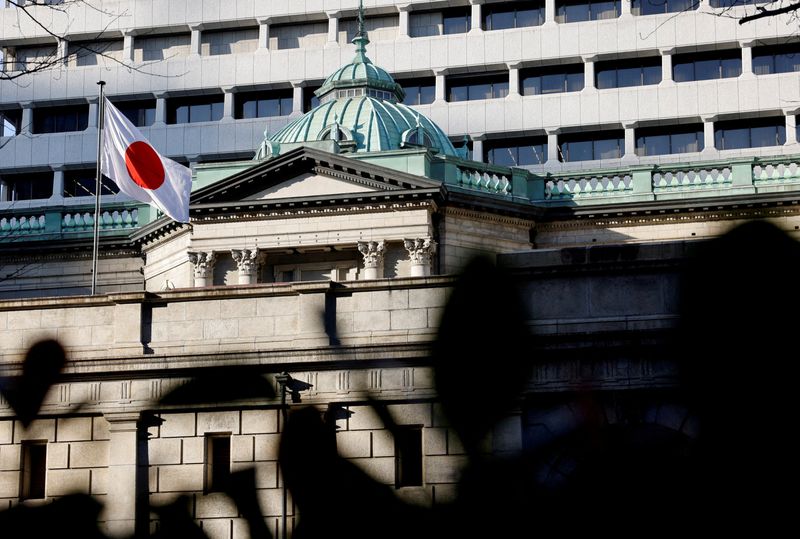
Speaking in parliament, Bank of Japan (BOJ) Deputy Governor Ryozo Himino also emphasized that the central bank is closely monitoring movements in the Japanese yen, as currency fluctuations can significantly influence inflation trends and public expectations about future price levels.
Himino explained that exchange-rate changes now have a stronger impact on domestic prices than in the past. As a result, large currency swings could shape inflation expectations and affect underlying inflation in the Japanese economy.
Although the Bank of Japan does not directly target exchange rates, Himino said policymakers are carefully observing currency movements because of their strong influence on economic activity and price stability.
During the same parliamentary session, Finance Minister Katayama stated that the Japanese government is ready to implement measures to soften the economic impact of the Middle East conflict. These measures could include the preparation of an additional government budget if necessary.
Katayama also confirmed that Japan is coordinating with other Group of Seven (G7) countries to respond to the growing geopolitical crisis. The conflict has disrupted oil transportation routes and triggered volatility across global financial markets.
She noted that markets have become increasingly unstable following recent developments involving Iran, and emphasized that Japanese authorities are prepared to act quickly if market conditions deteriorate.
“We are ready to take all necessary steps while coordinating closely and flexibly with overseas authorities,” Katayama said.
Her comments represent the latest attempt by policymakers to stabilize the Japanese yen, which has weakened in recent months. A weaker currency raises import costs, particularly for energy, and can contribute to rising inflation across the economy.
The expanding conflict in the Middle East has intensified Japan’s economic challenges. Higher oil prices and increased global market volatility create additional risks for Japan, which relies heavily on imported energy.
In December, the Bank of Japan raised interest rates to 0.75%, marking the highest level in roughly 30 years. The move signaled the central bank’s continued effort to normalize monetary policy after decades of ultra-loose stimulus, reflecting growing confidence that Japan is moving toward sustainably achieving its 2% inflation target.
BOJ officials have also indicated that further interest rate increases remain possible. However, policymakers have provided limited guidance on the timing of the next potential rate hike.