Asian Currencies Rise as Yen Strengthens and Aussie Hits 3-Year High
Most Asian currencies moved higher on Thursday, led by a stronger Japanese yen and a surging Australian dollar. Gains came as the U.S. dollar struggled to maintain momentum despite stronger-than-expected nonfarm payrolls data.
Investors are now turning their attention to upcoming U.S. inflation figures for clearer direction in global currency markets.
Japanese Yen Climbs on Intervention Speculation
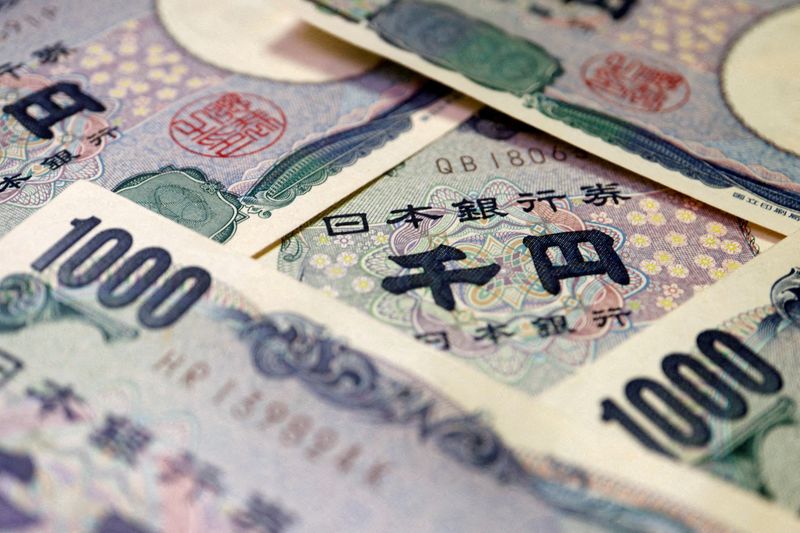
The Japanese yen strengthened further, with the USD/JPY pair falling 0.6% to around 152.38. This marked the yen’s strongest level in three weeks.
Support for the currency intensified after Prime Minister Sanae Takaichi’s decisive election victory over the weekend. Markets interpreted the political stability as a potential signal for stronger currency management policies.
Speculation over government intervention also boosted the yen. Japan’s top currency diplomat, Atsushi Mimura, declined to confirm whether authorities had recently intervened in the foreign exchange market. However, he emphasized that Tokyo is closely monitoring the yen for excessive volatility.
Mimura also noted that Japan remains in close communication with U.S. officials regarding potential coordinated action. His remarks added to the yen’s upward momentum.
Meanwhile, weaker-than-expected producer price index data for January had little impact on the currency’s strength.
Australian Dollar Surges on RBA Rate Hike Expectations
The Australian dollar continued its rally, with AUD/USD rising 0.1% and reaching its highest level since early January. The currency is now trading near a three-year high.
The move was driven by growing expectations that the Reserve Bank of Australia (RBA) may deliver additional interest rate hikes in the coming months. This follows last week’s 25 basis point increase, aimed at curbing persistent inflation pressures.
RBA Governor Michele Bullock stated that the central bank is prepared to raise rates further if inflation becomes entrenched. However, she clarified that it remains uncertain whether more tightening will ultimately be required.
Markets are currently pricing in the possibility of another rate hike as early as May, reflecting confidence in the RBA’s data-driven approach.
Dollar Struggles Despite Strong Payrolls Data
The U.S. dollar received brief support after stronger-than-expected nonfarm payrolls figures. However, the greenback failed to sustain its gains during Asian trading hours.
The dollar index and dollar index futures showed little movement, following an overnight rebound. Despite this, the dollar remains down approximately 0.8% for the week.
Attention now shifts to key U.S. economic releases. Consumer price index (CPI) inflation data is scheduled for Friday, while weekly jobless claims are due later on Thursday. These figures are expected to provide fresh insights into the health of the U.S. economy.
Analysts at OCBC noted that structural pressures, including uncertainty surrounding Federal Reserve leadership and broader U.S. policy risks, may limit the dollar’s recovery unless upcoming data significantly surprises to the upside.
Chinese Yuan and Other Asian Currencies
Among other Asian currencies, the Chinese yuan strengthened, with USD/CNY falling 0.15% to its lowest level since May 2023. The yuan has been supported by a series of firm midpoint settings from the People’s Bank of China.
The South Korean won also advanced, with USD/KRW down 0.2%. The Indian rupee gained 0.3%, though it remained near the 90.5 level.
Meanwhile, the Singapore dollar was largely unchanged, while the Taiwan dollar posted a modest 0.1% increase.