Central Banks Face a Complex Inflation Challenge
Central banks around the world are navigating an increasingly complex environment, attempting to understand how businesses, workers, and households are reacting financially to another energy shock. Policymakers are essentially trying to interpret real-time behaviour across the economy—an inherently difficult task.
Interest Rate Decisions Depend on Inflation Expectations
At the core of the issue is whether central banks should raise interest rates to control inflation. Much depends on whether rising energy costs—partly driven by geopolitical tensions such as the Iran conflict—spill over into broader price increases. If inflation expectations rise across the economy, policymakers may feel compelled to act.
The Difficulty of Measuring Expectations
One of the biggest challenges is accurately measuring inflation expectations. Although central banks rely on a wide range of surveys, indicators, and economic models, each comes with limitations and blind spots. Even with improved tools developed after the COVID-19 pandemic, understanding expectations remains far from precise.
More Art Than Science in Monetary Policy
Despite technological and analytical advancements, assessing inflation expectations is still largely subjective. This uncertainty often leads policymakers to delay decisions, as they prefer concrete evidence over instinct to avoid costly policy mistakes.
Behavioural Shifts Since the 2022 Inflation Surge
Central banks have acknowledged that economic behaviour has changed significantly since the inflation spike of 2022. For example, the Bank of Canada has indicated that increased global uncertainty requires a heavier reliance on judgment when shaping monetary policy.
Similarly, Richmond Federal Reserve President Tom Barkin highlighted the importance of understanding how businesses perceive their pricing power. So far, there is little evidence that inflation expectations have significantly shifted.
Changing Consumer and Business Dynamics
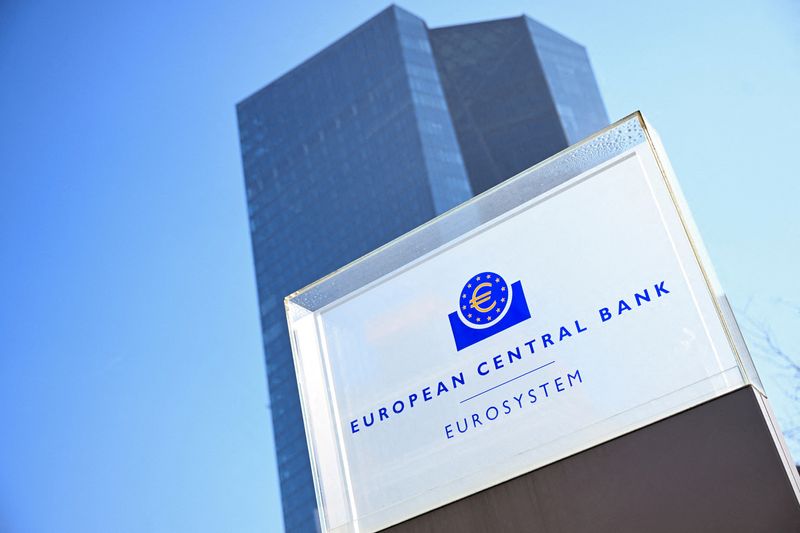
The experience of high inflation in recent years has made both consumers and businesses more sensitive to price changes. According to European Central Bank board member Isabel Schnabel, inflation expectations may now be more fragile and responsive to new shocks, such as rising energy costs.
Before the pandemic, companies adjusted prices infrequently, often once a year. Today, price changes occur much more frequently, making the pace of adjustments an important signal of shifting expectations.
Limitations of Traditional Indicators
Historically, central banks relied on surveys and market-based indicators to gauge inflation expectations. However, surveys often lack timeliness, while market indicators can be distorted by investor sentiment and risk premiums, making them less reliable.
Market Expectations and Policy Outlook
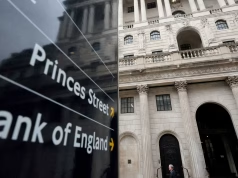
Financial markets are already pricing in further rate hikes, with expectations for multiple increases from the European Central Bank and the Bank of England. Meanwhile, expectations for U.S. Federal Reserve rate cuts have diminished, reflecting ongoing inflation concerns.
New Tools to Bridge Data Gaps
To improve their analysis, central banks have introduced new methods, including tracking wage agreements, directly surveying businesses, and incorporating forward-looking data. They also monitor how frequently prices change and refine their economic models to better capture real-world dynamics.
A Different Economic Landscape
Compared to previous inflation shocks, current conditions are notably different. Interest rates are already elevated, fiscal support is more limited, labour markets are softening, and households are no longer holding excess savings from the pandemic period.
Bank of England Governor Andrew Bailey emphasized that many businesses are now experiencing reduced pricing power, which could limit the persistence of inflation.
Uncertain Outlook for Inflation
For now, central banks believe long-term inflation expectations remain stable. However, prolonged geopolitical tensions and sustained high energy prices could eventually push expectations higher. The timing and extent of such shifts remain uncertain, forcing policymakers to rely on judgment.
Ultimately, as policymakers themselves acknowledge, economics is not an exact science. While data and models provide guidance, human interpretation and decision-making remain central to navigating today’s inflation challenges.