Global government bond markets are heading toward one of their worst weekly performances in months, as investors grow concerned that escalating tensions in the Middle East could push inflation higher and force central banks to adopt a more hawkish policy stance.
The pressure on bond markets comes as crude oil prices surge. Oil is on track for its strongest weekly gain since the extreme volatility seen during the COVID-19 pandemic in the spring of 2020. The rally has been driven by conflict in the Middle East, which has halted shipping and energy exports through the crucial Strait of Hormuz, a key global oil transit route.
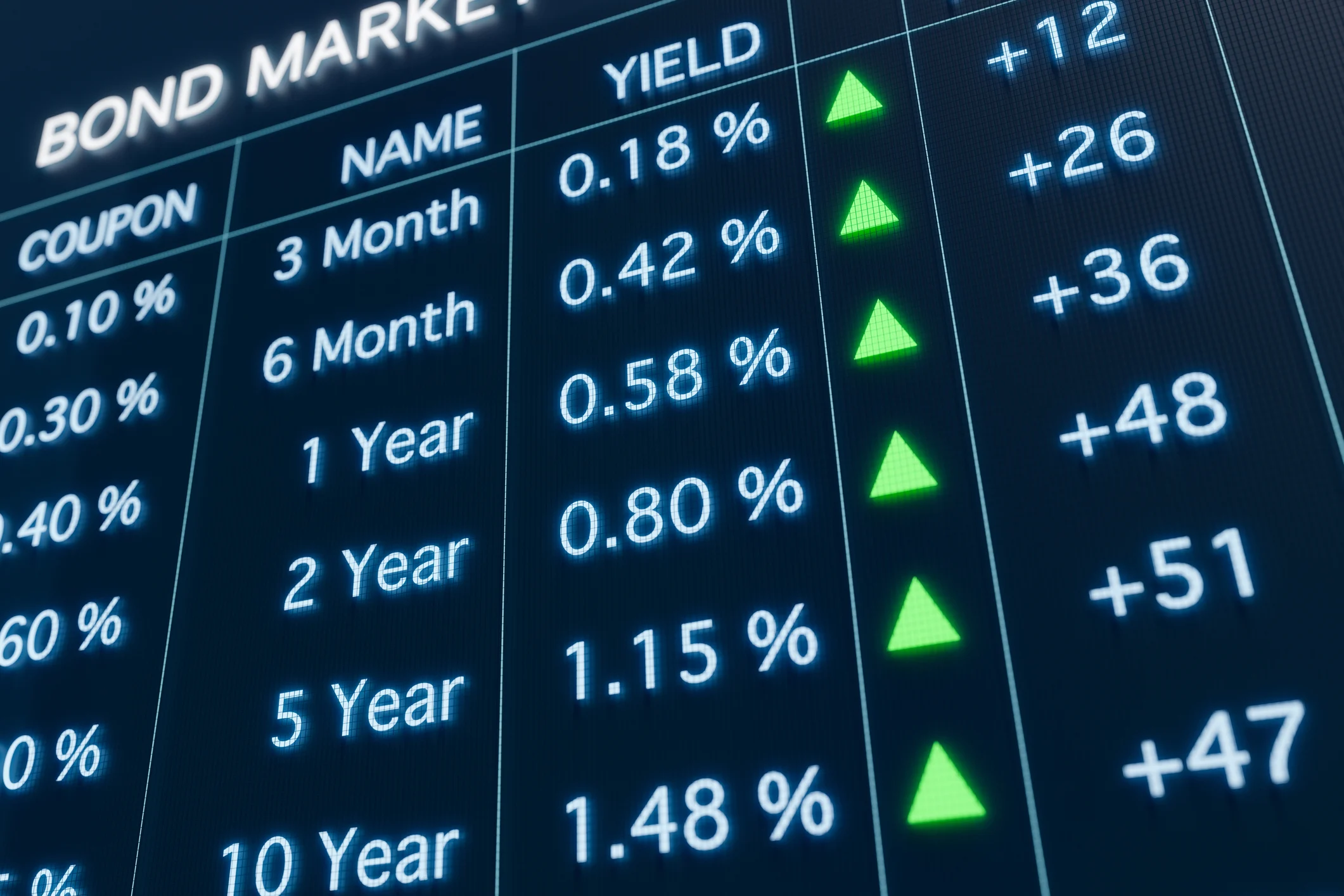
Government bond yields have risen sharply across major economies. In Germany, some bonds recorded their biggest yield increases in two years, while short-term U.S. Treasury securities are heading for their worst weekly performance since the market turmoil linked to the Liberation Day tariffs.
According to Michael Lorizio, head of U.S. rates and mortgage trading at Manulife Investment Management, the outlook for oil prices remains uncertain, making it difficult for investors to gauge how much inflation could rise. When economic outcomes become less predictable, investors tend to demand higher yields to compensate for increased risk.
Lorizio also noted that part of the current bond market selloff reflects a rebound from the previous week, when U.S. yields had fallen to levels many analysts considered too low relative to the broader economic outlook.
Short-term government bonds, which are particularly sensitive to interest rate expectations, have been hit the hardest by the recent market volatility. Two-year bonds have continued to weaken even after new data showed the U.S. economy unexpectedly lost jobs last month.
In the United Kingdom, the two-year gilt yield has climbed 43 basis points this week, reaching its highest level since October and marking the largest weekly increase since May 2023.
Germany has also seen significant moves, with two-year yields reaching their highest level in a year. The yield is on track for a 30-basis-point increase for the week, the largest rise since April 2023.
In the United States, two-year Treasury yields have increased by 18 basis points during the week, the biggest jump since last April’s tariff-related market volatility.
Investors have also increased bets that the European Central Bank could tighten policy again as energy prices rise, potentially pushing up the cost of goods and services across the economy, including food, travel, and transportation.
James Rossiter, head of global macro strategy at TD Securities in London, said inflation expectations have become much more important for central banks following the sharp inflation surge seen in 2022.
The rise in yields has been widespread across global markets. Government borrowing costs in both Australia and Canada have increased by roughly 20 basis points this week, reflecting similar concerns about inflation and monetary policy.
Bond yields move higher when bond prices fall, meaning the recent rise in yields signals broad selling pressure across the bond market.
The selloff has also spread to corporate debt markets. The iTRAXX Europe Crossover index, which tracks the cost of insuring against default risk in high-yield corporate bonds, climbed to around 287 basis points on Friday — its widest level since June.
Meanwhile, the iTRAXX Europe Main index, which measures investment-grade credit risk, widened past 60 basis points, reaching its highest level since May 2025.
Economists warn that rising energy prices could have lasting economic consequences. Holger Schmieding, chief economist at Berenberg, said the conflict has already challenged earlier expectations that energy prices would remain relatively low and stable this year.
Despite the market volatility, European Central Bank policymaker Jose Luis Escriva said the ECB is unlikely to change interest rates at its next meeting and will continue to evaluate economic developments on a meeting-by-meeting basis.
Market expectations currently reflect only a 4% probability of a rate hike at the ECB’s March meeting, with the likelihood of an increase rising to about 21% for the April meeting.
In the United States, futures markets linked to the federal funds rate indicate that traders are no longer fully expecting a rate cut until September. Earlier this week, markets had anticipated the first potential rate reduction as soon as July.