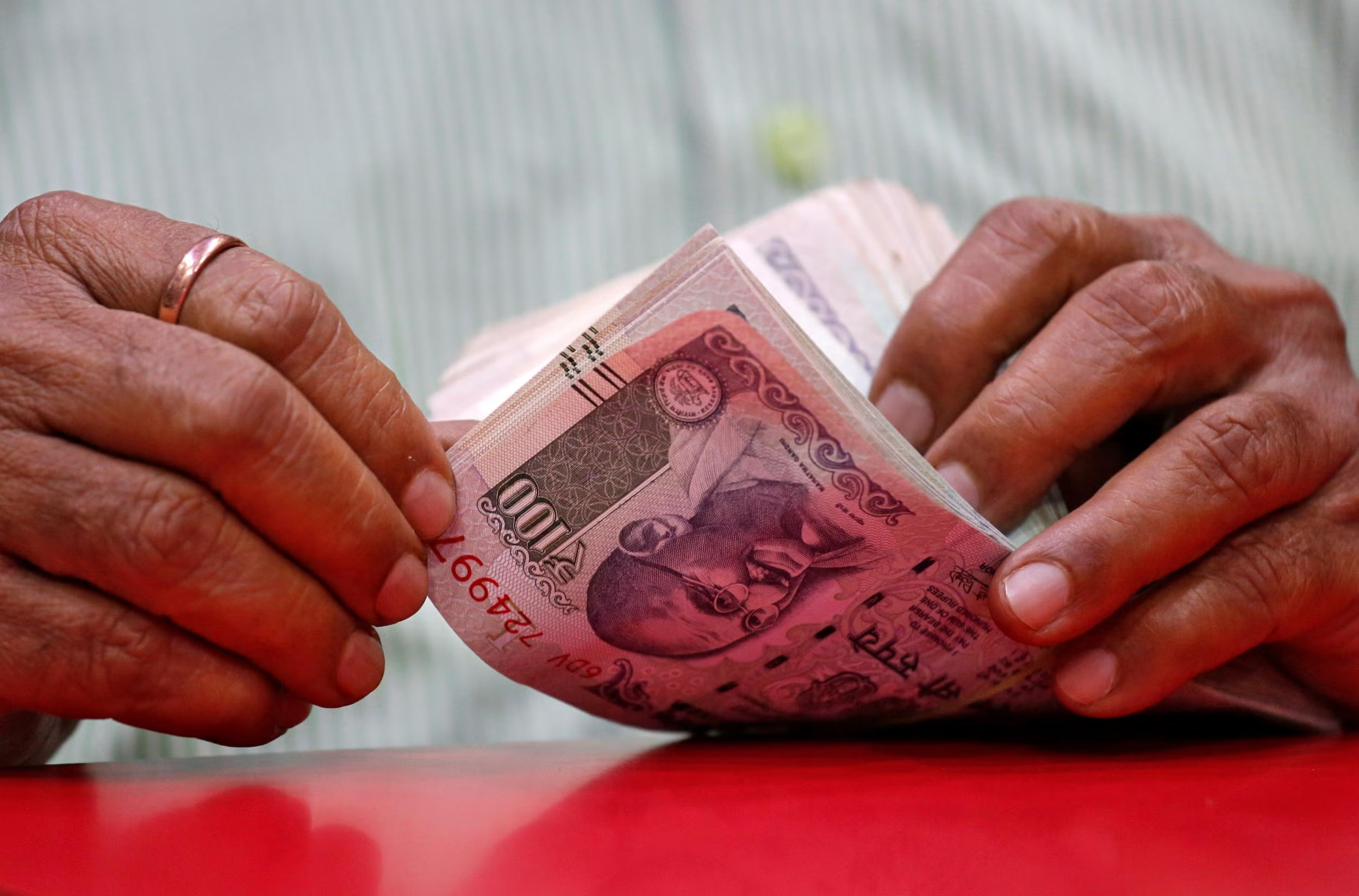
Indian Rupee Falls to Record Low as Oil Prices Surge
The Indian rupee dropped to a fresh record low on Thursday, pressured by a sharp rise in oil prices and continued strength in the U.S. dollar. Escalating tensions in the Middle East have fueled the surge in crude prices, adding further strain on the currency.
The USD/INR pair rose 0.2% to 93.318, marking its highest level on record. This follows a sharp 0.8% increase in the previous session, highlighting sustained weakness in the rupee.
Oil Rally and Strong Dollar Weigh on Currency
The rupee has remained under pressure in recent sessions as global oil prices surged. Brent crude climbed above $110 per barrel and continued to rise in Asian trading, intensifying concerns for oil-importing economies like India.
At the same time, the U.S. dollar strengthened after the Federal Reserve maintained interest rates and signaled a hawkish outlook. Persistent inflation risks, partly driven by rising energy costs, have reduced expectations for near-term rate cuts, supporting the dollar.
Middle East Tensions Drive Energy Market Volatility
Oil prices have been pushed higher by escalating geopolitical tensions in the Middle East. Iran’s attacks on key regional energy facilities, following earlier strikes on its South Pars gas field, have raised fears of prolonged supply disruptions.
These developments have contributed to increased volatility in global energy markets, further impacting currencies sensitive to oil price movements.
India’s Oil Dependence Adds Pressure on Rupee
Higher crude prices pose a significant challenge for India, which relies heavily on imported energy. Rising oil costs increase demand for U.S. dollars from refiners and widen the country’s current account deficit.
This combination of external pressures continues to weigh on the rupee, keeping it vulnerable to further downside in the near term.