Tokenization of Real-World Assets: A Fintech Revolution
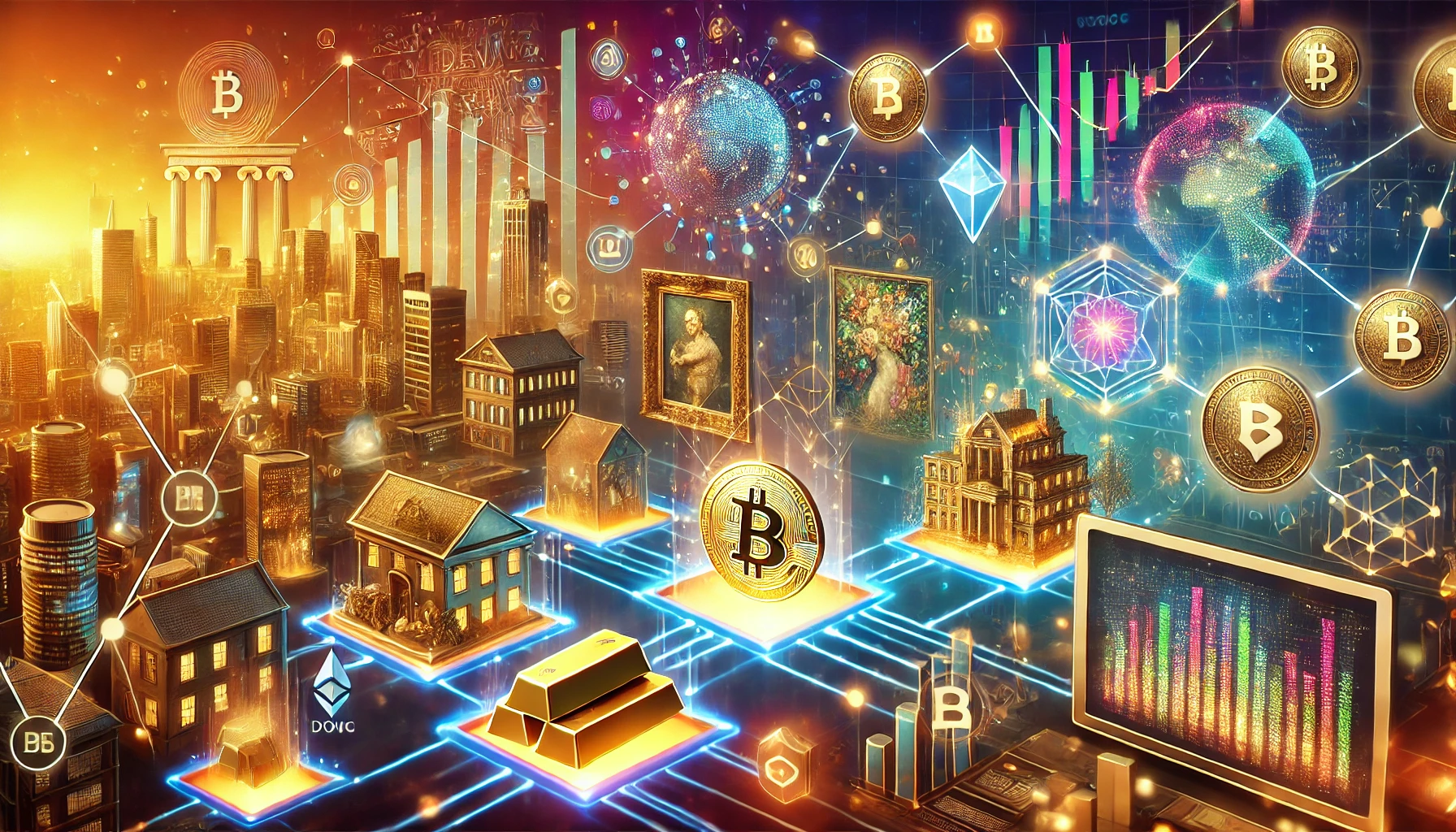
The tokenization of real-world assets (RWAs) represents a groundbreaking advancement in the fintech sector, which is undergoing transformative change. By converting physical assets into digital tokens on a blockchain, tokenization democratizes investment, enhances liquidity, and lowers barriers to global financial market participation.
What Are Real-World Assets (RWAs)?
RWAs encompass both tangible and intangible assets, including real estate, art, precious metals, commodities, intellectual property, and more. Traditionally, these assets are challenging to access due to high valuations, limited liquidity, and legal complexities. Tokenization digitizes these assets into blockchain tokens, preserving their value while unlocking accessibility and flexibility.
How Tokenization Works
Tokenization converts a physical asset into digital tokens, which represent fractional ownership or rights over the asset. These tokens are stored and traded on blockchain platforms, providing transparency, security, and efficiency.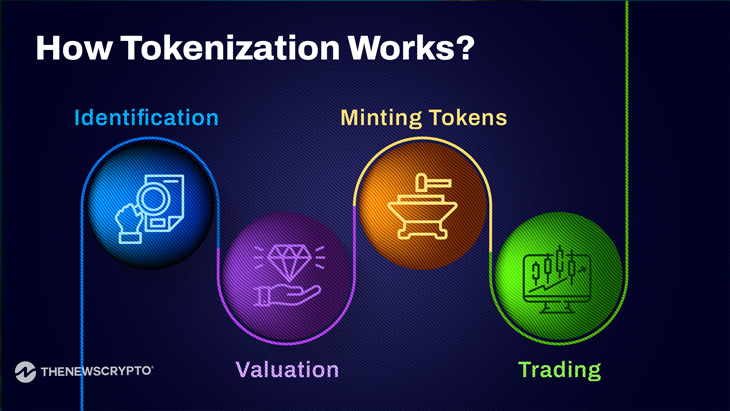
Key Steps in the Tokenization Process:
- Asset Selection and Valuation
Assets are chosen based on their potential for fractionalization. For instance, real estate can be divided into smaller units, each represented as a token. - Legal and Regulatory Compliance
Compliance with jurisdiction-specific regulations is essential. Entities often utilize Special Purpose Vehicles (SPVs) to manage assets and issue tokens. - Smart Contract Deployment
Smart contracts on blockchain platforms automate token creation, transfer, and management, ensuring secure and efficient transactions. - Token Creation and Distribution
Tokens are minted and distributed, representing ownership shares in the asset. - Ownership Ledger
Blockchain technology ensures a tamper-proof record of all transactions, minimizing fraud and ownership disputes. - Security and Market Access
Token security is bolstered through robust storage solutions, and tokens are listed on blockchain-based trading platforms for 24/7 global access.
Benefits of Tokenizing RWAs
- Improved Liquidity
Illiquid assets, like real estate, become easily tradable through tokens, enabling quicker transactions compared to traditional processes. - Fractional Ownership
Tokenization allows smaller investors to participate in high-value assets by dividing them into manageable shares. - Transparency and Security
Blockchain’s immutable ledger ensures transparent and fraud-resistant transactions, fostering investor trust. - Reduced Costs
Tokenization eliminates intermediaries, lowering administrative and legal costs while simplifying asset management. - Global Accessibility
Tokenized assets transcend geographical limitations, allowing investors worldwide to participate in markets previously out of reach.
Challenges and Considerations
- Regulatory Complexity: Tokenized asset regulations differ across jurisdictions, creating hurdles for widespread adoption.
- Security Risks: Digital tokens are vulnerable to hacking and fraud, necessitating strong security measures.
- Adoption Resistance: Traditional financial institutions may resist change due to the disruption of established systems.
Use Cases in DeFi
- Diversification
Tokenized assets enable investors to diversify their portfolios beyond cryptocurrencies, reducing overall risk. - Yield Generation
Tokenized real estate can be used as collateral for loans or yield farming on DeFi platforms, appealing to those seeking higher returns. - Stability
RWAs bring predictability to the volatile crypto space, attracting risk-averse participants.
The Future of Tokenization
Blockchain technology is reshaping how physical assets are valued, traded, and managed. As tokenization gains traction, it is set to play a pivotal role in bridging traditional finance with decentralized ecosystems, redefining the future of financial markets.