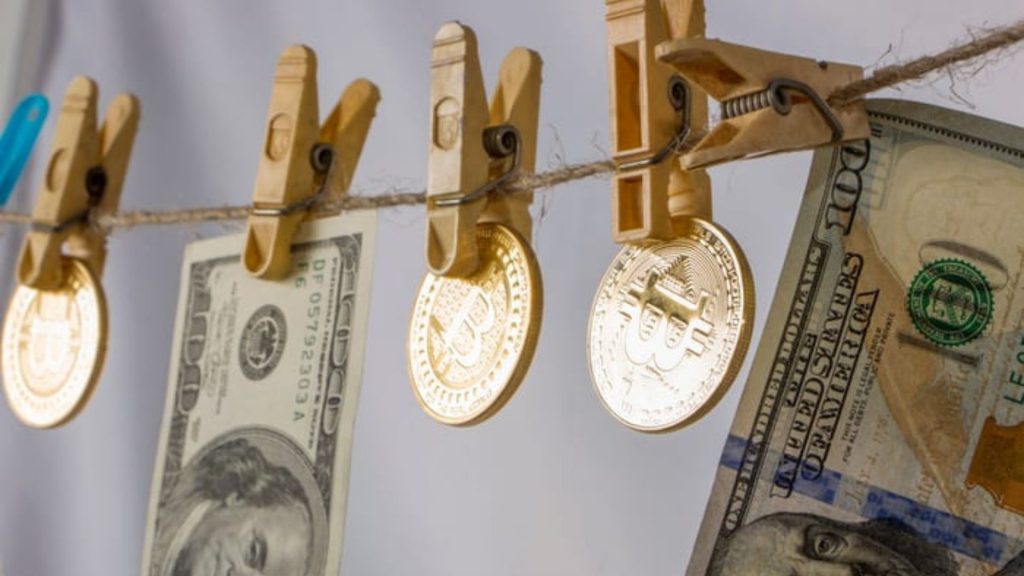
Crypto money launderers received at least $82 billion in digital assets last year, a sharp increase from roughly $10 billion in 2020, according to blockchain researchers. The surge was partly driven by rapid growth among Chinese-speaking networks, data released on Tuesday showed.
The fastest-expanding segment consists of Chinese-language money-laundering groups that first emerged during the pandemic. These networks processed close to $40 million in cryptocurrency transactions per day in 2025, according to a report by U.S.-based blockchain analytics firm Chainalysis.
While blockchain technology records wallet addresses involved in crypto transactions, identifying the individuals or organizations controlling those wallets remains difficult. Despite this challenge, Chainalysis said it identified nearly 1,800 active wallets linked to Chinese-language laundering networks, which together processed about $16.1 billion worth of cryptocurrency in 2025. The company added that the true figure is likely higher.
A spokesperson for Chainalysis declined to provide details about its methodology, but referred to information on the company’s website. There, Chainalysis explains that it links real-world activity to blockchain data using machine learning tools and forensic analysis by specialized experts.
Cryptocurrency trading is banned in China, and digital tokens are not legally recognized as currency or assets. In 2024, Chinese authorities prosecuted 3,032 individuals for involvement in crypto-related money laundering, according to statements from the country’s top prosecutor.
Regulators and law enforcement agencies worldwide have long warned about the role of cryptocurrencies in criminal activity, citing looser and less specific regulation compared with traditional finance. However, experts note that crypto represents only one of several methods criminals use to move illicit funds.
Chainalysis said crypto money-laundering networks often rely on so-called “guarantee” platforms to avoid detection. These platforms offer escrow services and enable money launderers to promote their services discreetly. According to the firm, Chinese-language guarantee platforms and related financial crime networks form a sophisticated and adaptable ecosystem that continues to operate despite enforcement actions.
Chainalysis added that while crackdowns on guarantee services can disrupt activity, the underlying networks often survive by shifting to alternative channels when pressured.