Governments around the world rushed to contain the economic impact of the escalating Iran war after oil prices surged sharply on Monday. The rally in energy markets was driven by supply cuts from key producers and political signals from Tehran suggesting that hardline leadership will remain firmly in power.
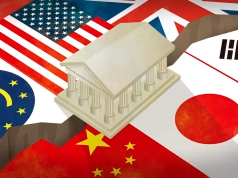
Amid rising fears of supply disruptions, finance ministers from the Group of Seven (G7) are expected to discuss the potential release of emergency oil reserves. A French government official said the issue would be addressed during a meeting on Monday as policymakers look for ways to stabilize global energy markets.
Countries heavily dependent on Middle Eastern oil imports have already begun taking precautionary measures. In South Korea, President Lee Jae Myung announced that the government will introduce fuel price caps for the first time in nearly three decades and warned citizens against panic buying.
During an emergency government meeting, Lee described the situation as a major economic risk for South Korea, highlighting the country’s strong reliance on international trade and energy imports from the Middle East.
Japan is also preparing for potential energy shortages. A senior member of parliament revealed that authorities had instructed a national oil storage facility to prepare for a possible crude release from strategic reserves. However, Japan’s chief cabinet secretary later clarified that no final decision had yet been made.
Japan relies on the Middle East for approximately 95% of its oil supply, though the country maintains reserves that can cover around 354 days of consumption.
Several other Asian economies have introduced measures to conserve energy or stabilize fuel markets. Vietnam has removed fuel import tariffs to ease costs, while Bangladesh temporarily closed universities to reduce electricity consumption. In China, authorities have instructed refineries to halt fuel exports and attempt to cancel previously scheduled shipments.
In the United States, President Donald Trump downplayed concerns about rising gasoline prices, which increased by 11% during the previous week. Meanwhile, Senate Minority Leader Chuck Schumer urged the administration to release oil from the Strategic Petroleum Reserve to help calm markets.
Trump defended the situation in a post on Truth Social, stating that short-term increases in oil prices are a small cost compared to eliminating Iran’s nuclear threat and ensuring global security.
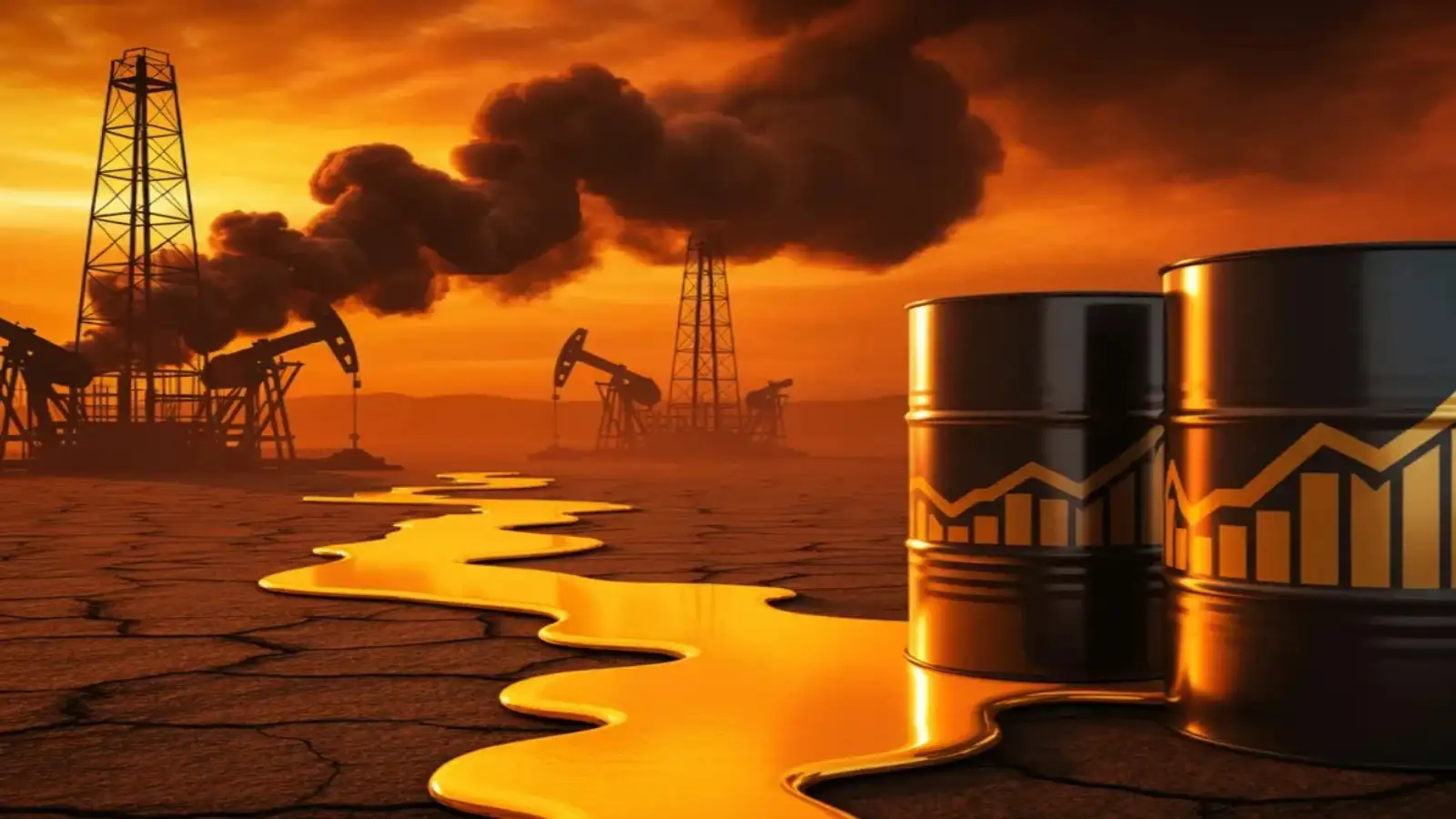
Oil markets reacted strongly to the escalating conflict. Prices surged by roughly 25%, with Brent crude on track for one of its largest single-day gains on record. Over the weekend, OPEC producers Kuwait and Iraq cut output as the Strait of Hormuz — a vital global shipping route — remained effectively closed.
Across Asia, financial markets reacted negatively to the growing energy crisis. Stock markets declined while the U.S. dollar strengthened as investors worried that disruptions to oil supply could persist.
Political developments in Iran have further intensified uncertainty. Tehran announced that Mojtaba Khamenei will succeed his father, Ali Khamenei, as supreme leader, a move that could further inflame tensions with Washington. At the same time, attacks on Iranian oil storage facilities over the weekend have raised concerns about possible retaliatory strikes on energy infrastructure.
Energy facilities in the region have already been affected. In Bahrain, Bapco Energies declared force majeure after an attack on its refinery complex.
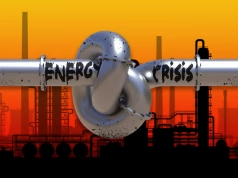
Analysts warn that multiple factors are combining to create severe pressure on global oil markets. According to Kpler oil analyst Muyu Xu, the combination of production cuts from Gulf producers, the continued closure of the Strait of Hormuz, and rising pessimism about a quick resolution to the conflict has created the conditions for a major energy supply crisis.
Production cuts are already taking place across the region. Iraq has reportedly reduced output from its main southern oilfields by about 70%, bringing production down to around 1.3 million barrels per day. Kuwait Petroleum Corporation has also begun lowering output and declared force majeure on shipments.
Meanwhile, Qatar — the world’s second-largest exporter of liquefied natural gas — has halted LNG shipments. Analysts believe the United Arab Emirates and Saudi Arabia may soon be forced to reduce oil production as storage facilities fill up due to the continued closure of the Strait of Hormuz.