Gold prices slipped on Tuesday, giving back earlier gains as a sharply stronger U.S. dollar weighed on the market. Investors continued to monitor the escalating Middle East conflict and growing concerns over oil supply disruptions.
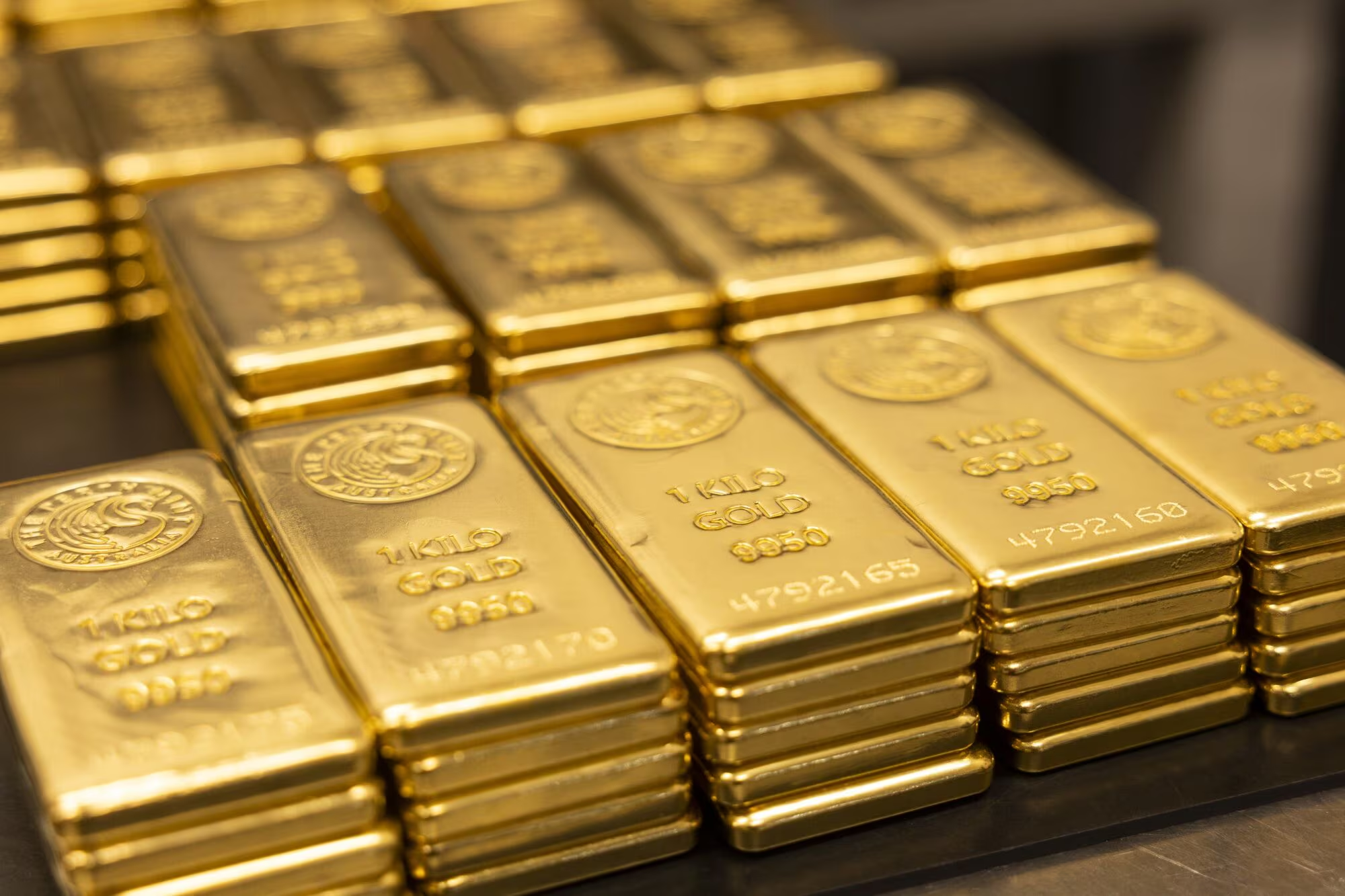
Spot gold was down 0.4% at $5,303.12 per ounce at 01:24 ET (06:24 GMT). Earlier in the session, bullion had climbed as much as 1% to $5,379.65 per ounce before reversing course. U.S. gold futures were largely unchanged at $5,316.06 per ounce. In the previous session, the precious metal had advanced by 1%.
Gold supported by Middle East tensions
Gold, traditionally viewed as a safe-haven asset during periods of geopolitical uncertainty, has drawn support following a weekend of intense military escalation in West Asia.
U.S. and Israeli forces carried out large-scale strikes on Iran, reportedly killing Supreme Leader Ayatollah Ali Khamenei and several senior military officials. Tehran responded with missile attacks across the region, further escalating tensions.
The conflict has extended beyond Iran, with Israeli strikes targeting Lebanon after attacks by Hezbollah. Reports also indicated that Kuwaiti air defenses mistakenly shot down U.S. aircraft, adding to regional instability.
U.S. President Donald Trump stated that the military operation could continue for several weeks and acknowledged uncertainty surrounding Iran’s leadership after Khamenei’s death. The comments reinforced expectations of prolonged geopolitical risk.
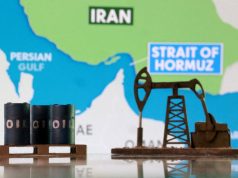
Iran has threatened to target any vessel attempting to pass through the Strait of Hormuz, a critical chokepoint for global oil shipments. Around 20% of the world’s oil supply moves through the strait, and fears of disruption have increased safe-haven demand for gold.
Stronger dollar caps gold’s upside
Despite geopolitical support, gold’s gains were limited by a stronger U.S. dollar. The US Dollar Index rose 0.4% during Asian trading hours after surging 0.8% in the previous session to its highest level since late January. A firmer dollar makes gold more expensive for holders of other currencies, reducing international demand.
Oil prices have surged amid supply risk concerns, lifting inflation expectations and indirectly supporting gold’s longer-term appeal. However, in the near term, dollar strength has capped further upside.
Other precious metals also retreated. Silver fell 3% to $88.64 per ounce, while platinum dropped 4% to $2,224.06 per ounce.
In base metals, benchmark copper futures on the London Metal Exchange were steady at $13,113.72 per ton. U.S. copper futures slipped 0.4% to $5.94 per pound.
Overall, gold remains sensitive to both geopolitical developments and currency movements, with the balance between safe-haven demand and dollar strength likely to drive short-term price action.