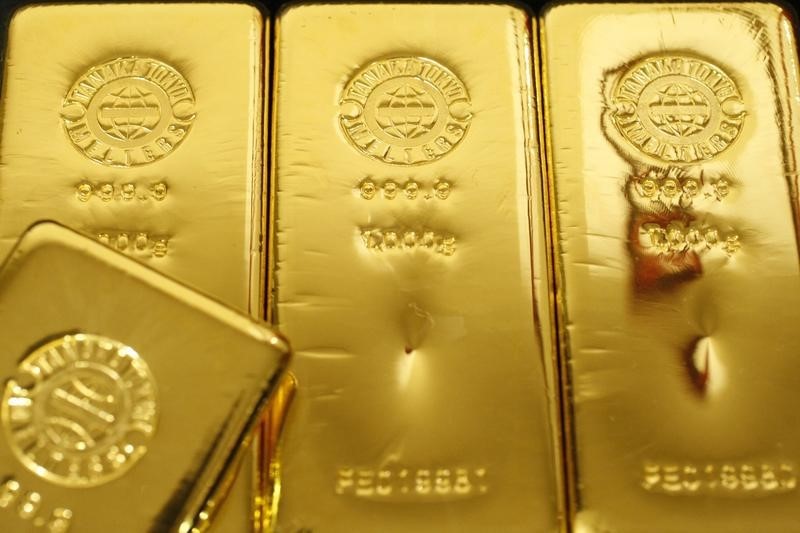
Gold Prices Slip as Inflation Concerns Rise
Gold prices pulled back from earlier gains on Friday, extending significant weekly losses. The ongoing U.S.-Israel–Iran conflict has fueled inflation concerns and weakened expectations for upcoming interest rate cuts.
Central Banks Signal Caution on Inflation
The yellow metal declined sharply on Thursday after several major central banks warned about the inflationary impact of the conflict. This shift in tone has strengthened expectations that interest rates will remain unchanged in the near term, a development that typically pressures precious metals.
Spot gold dropped 1.7% to $4,572.46 per ounce, while gold futures fell 0.8% to $4,570.38 per ounce.
Stronger U.S. Dollar Weighs on Gold
Gold prices were also pressured by a recovery in the U.S. dollar, although the currency remains on track to post its first weekly decline in three weeks. A stronger dollar generally makes gold more expensive for foreign buyers, reducing demand.
Gold Set for Sharp Weekly Decline
Spot gold has fallen more than 8% over the past week, marking its steepest weekly drop since early 2020. Despite its reputation as a safe-haven asset, gold has underperformed since the conflict escalated in late February.
Rising Yields and Oil Prices Add Pressure
Safe-haven demand for gold has been overshadowed by rising U.S. Treasury yields and a stronger dollar, as markets react to growing inflation risks.
Meanwhile, oil prices surged to near four-year highs this week following strikes on key Middle Eastern energy infrastructure. The sharp rise in energy costs has intensified concerns over inflation, prompting a cautious stance from global central banks.
Major Central Banks Hold Rates Steady
The Reserve Bank of Australia raised interest rates, while the Federal Reserve, European Central Bank, Swiss National Bank, and Bank of Japan kept rates unchanged. Policymakers signaled limited room for adjustments in the coming months due to persistent inflation risks.
Analysts Warn of Ongoing Pressure on Metals
Analysts at ING noted that rising concerns over the global economic impact of the conflict are dampening investor sentiment. The surge in oil prices has further increased inflation fears, lowering the likelihood of near-term U.S. rate cuts and creating continued pressure on both industrial and precious metals.