Global Tensions Soar as World Awaits Iran’s Next Move Following U.S. Airstrikes
President Donald Trump confirmed on Sunday that the U.S. had launched a large-scale strike on Iran’s key nuclear facilities, marking the most significant Western military action against Iran since the 1979 revolution. The move came as the U.S. joined Israel in its ongoing military campaign, further escalating an already volatile situation.
U.S. Strikes and Iranian Retaliation Threats
In a televised address, Trump hailed the mission as a “spectacular military success,” claiming the U.S. had obliterated Fordow, Natanz, and Esfahan, key nuclear enrichment sites. Iran responded with a vow to defend itself, calling the U.S. actions a violation of international law.
Trump later took to Truth Social, suggesting the possibility of regime change in Iran, writing:
“It’s not politically correct to say ‘Regime Change,’ but if the current Iranian regime can’t MAKE IRAN GREAT AGAIN, then why not?”
Iranian Foreign Minister Abbas Araqchi, speaking from Istanbul, said Tehran would consider all options in response and ruled out returning to diplomacy before retaliating.
“The U.S. understands only threats and force,” Araqchi stated.
Meanwhile, Iran and Israel continued exchanging missile strikes. Israel claimed new airstrikes on Iranian military targets, while Iran launched rockets into Tel Aviv, injuring dozens and causing widespread destruction.
U.S. Homeland Security and Global Alerts
The U.S. Department of Homeland Security issued a warning about a “heightened threat environment,” raising concerns over possible cyberattacks and domestic unrest. Law enforcement in major American cities ramped up security at religious and diplomatic locations.
The U.S. State Department advised citizens abroad to exercise extreme caution due to growing anti-American sentiment and airspace disruptions across the Middle East.
Despite its threats, Iran has yet to directly retaliate against U.S. military bases or global oil infrastructure, though officials caution that could change quickly.
Economic and Energy Impacts
Iran’s parliament approved a preliminary measure to close the Strait of Hormuz, a strategic waterway that handles nearly 25% of global oil shipments. Final approval rests with Iran’s Supreme National Security Council.
If implemented, the move could spike global oil prices, disrupt the world economy, and prompt confrontation with the U.S. Navy’s Fifth Fleet, tasked with keeping the strait open.
On Sunday, oil prices surged:
-
Brent crude rose $3.20 to $80.28
-
U.S. crude climbed $2.89 to $76.73
Calls for Ceasefire and U.N. Involvement
At an emergency U.N. Security Council meeting, Russia, China, and Pakistan pushed for a resolution demanding an immediate and unconditional ceasefire.
U.N. Secretary-General António Guterres warned the situation risked spiraling out of control and urged all parties to return to negotiations over Iran’s nuclear program.
Disputed Damage and Nuclear Concerns
Satellite imagery showed heavy damage to the Fordow underground facility, but full assessments are still pending. The IAEA (U.N. nuclear watchdog) reported no increase in radiation and said it could not yet evaluate underground damage.
An Iranian official claimed most enriched uranium had been removed from Fordow before the strike—Reuters could not independently verify this.
U.S. Strategy: No Regime Change, Says Pentagon
While Israeli leaders have spoken openly of a goal to topple Iran’s leadership, U.S. officials emphasized that regime change is not the mission.
“This operation was focused solely on dismantling Iran’s nuclear capabilities,” said Defense Secretary Pete Hegseth.
Domestic Protests and Public Sentiment
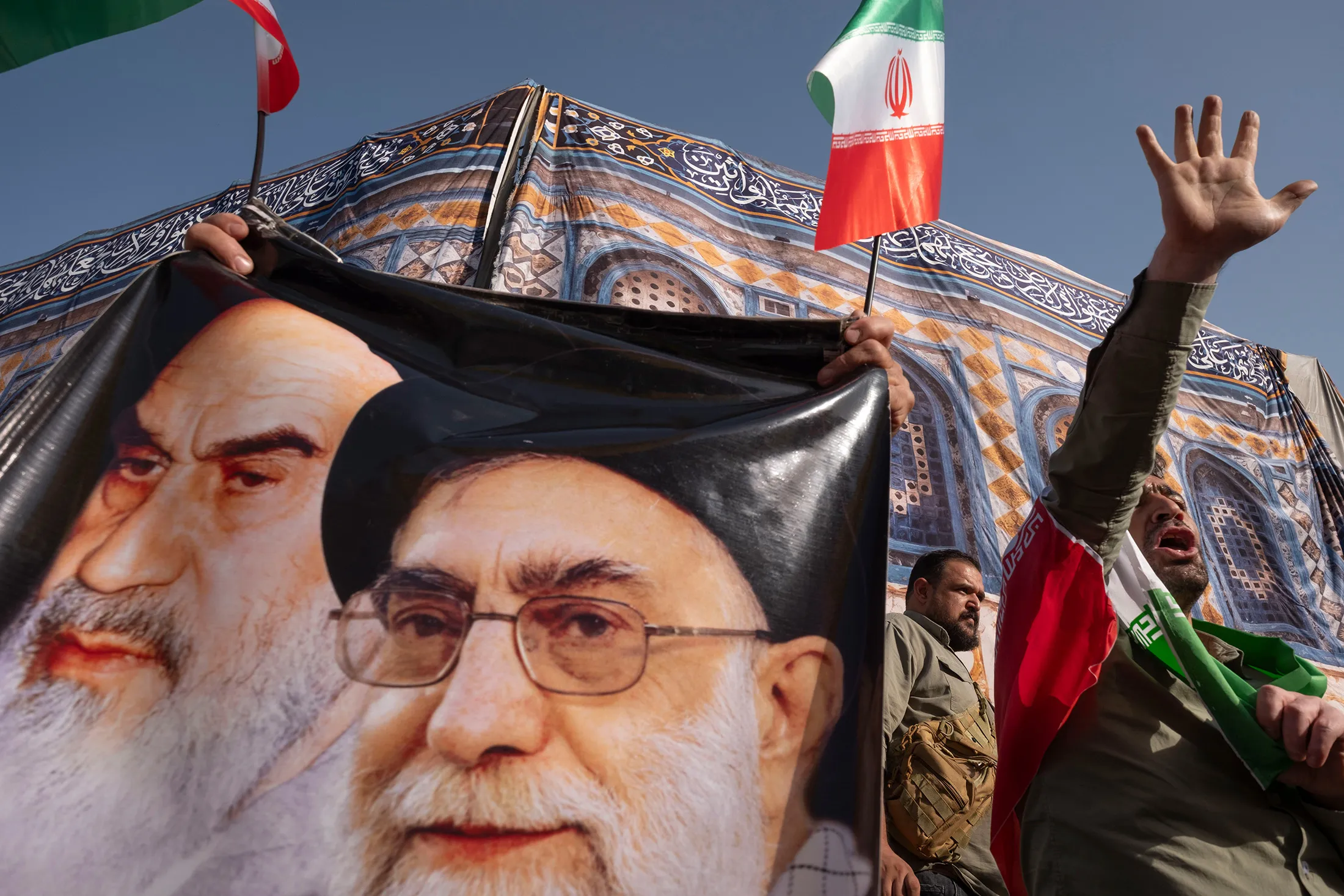
Anti-war protests broke out in New York, Washington, and other U.S. cities, with demonstrators demanding the U.S. avoid further military involvement.
In Iran, many civilians expressed fear and uncertainty.
“It feels like we’re living in a horror movie,” said Bita, a teacher in Kashan, before her phone connection was lost.
Tehran’s population has begun evacuating, with many fleeing to rural areas to escape ongoing Israeli bombardments. Iranian authorities reported over 400 civilian deaths, while Israeli strikes have severely weakened Iran’s military leadership.
Iranian missile retaliation has killed at least 24 people in Israel, with air raid sirens sounding across the country on Sunday.
“Life is difficult in Israel right now,” said Aviad Chernovsky in Tel Aviv, after finding his home destroyed. “But we are strong—we will endure and prevail.”