European Stocks Jump as Oil Drops Below $100 on Iran War Exit Signals
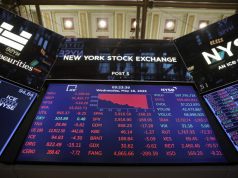
European equity markets opened sharply higher on Wednesday, while oil prices declined, after U.S. President Donald Trump announced that the United States could exit the Iran conflict within the next two to three weeks.
Brent crude fell below the key $100 per barrel level, reflecting easing geopolitical risk expectations.
Strong Gains Across Major European Indices
By early trading, the pan-European STOXX 600 surged 2.3%. Germany’s DAX jumped 2.8%, France’s CAC 40 gained 2.2%, and the UK’s FTSE 100 rose 1.8%, signaling broad-based optimism across regional markets.
The rally follows a difficult March, during which European stocks experienced sharp declines amid geopolitical tensions and rising bond yields.
Trump Signals End to Conflict Without Formal Deal
Speaking from the Oval Office, Trump stated that the U.S. would be “leaving very soon,” emphasizing that Washington had already achieved its objective of neutralizing Iran’s nuclear threat.
He added that a formal agreement with Tehran would not be necessary to conclude the conflict, which began over a month ago in coordination with Israel. Trump also suggested that it could take Iran 15 to 20 years to rebuild its capabilities.
Mixed Signals from Officials Keep Markets Cautious
Despite the optimistic tone, U.S. Defense Secretary Pete Hegseth warned that the coming days could be decisive in determining the outcome of the conflict.
At the same time, reports indicated that the United Arab Emirates may support efforts to reopen the Strait of Hormuz, potentially through coordinated action with allies and backing from the United Nations Security Council.
Strait of Hormuz Disruptions Drive Market Volatility
The Strait of Hormuz, a critical global oil shipping route, has remained largely closed due to ongoing tensions, including drone and missile threats targeting tankers. The disruption has significantly reduced energy flows, contributing to higher oil prices and increasing concerns over global inflation.
These pressures have led to speculation that central banks may adopt tighter monetary policies, pushing bond yields higher and weighing on equity markets in recent weeks.
Signs of Market Stabilization Emerge
Despite recent volatility, some signs of stabilization have appeared. Government bond yields in major economies such as the United States and Germany declined on Tuesday, suggesting easing investor concerns.
European stocks, which had dropped more than 10% at one point in March, ended the month with their worst performance since mid-2022, making the current rebound particularly notable.
Oil Prices Retreat After Recent Surge
Brent crude futures for June delivery dropped 5% to $98.81 per barrel. Oil prices had previously surged close to $120 per barrel following the escalation of the Middle East conflict, compared to around $70 before tensions intensified in late February.
While the pullback reflects improved sentiment, uncertainty surrounding the reopening of the Strait of Hormuz continues to pose risks for global energy markets.