European Union leaders agreed on Friday to borrow funds to provide a €90 billion ($105 billion) loan to Ukraine to support its defence against Russia over the next two years. The decision avoids using frozen Russian sovereign assets, allowing the bloc to bypass deep divisions over an unprecedented proposal to finance Kyiv directly with Russian state funds.
While leaders authorised the European Commission to continue exploring a so-called reparations loan backed by immobilised Russian assets, the plan was deemed unworkable for now. Resistance from Belgium, where most of the frozen assets are held, proved to be a major obstacle.
EU summit chairman Antonio Costa confirmed the decision following lengthy overnight talks in Brussels. He said the bloc had approved a €90 billion package for Ukraine, to be delivered urgently through a loan backed by the EU budget.
Use of Russian assets deemed too complex
The option of EU borrowing initially faced hurdles, as it required unanimous approval and had been opposed by Hungary’s Russia-friendly Prime Minister Viktor Orban. However, Hungary, along with Slovakia and the Czech Republic, agreed not to block the plan provided it carried no financial consequences for them.
EU leaders reiterated that roughly €210 billion in Russian assets frozen within the bloc will remain immobilised until Moscow pays war reparations to Ukraine. If such reparations are ever made, Ukraine could use the funds to repay the EU-backed loan.
German Chancellor Friedrich Merz described the outcome as positive for Ukraine and negative for Russia, saying this was precisely the EU’s intention.
The urgency surrounding the funding decision was high. EU officials warned that without continued financial support, Ukraine could run out of money by the second quarter of next year, significantly weakening its ability to resist Russian forces. The EU fears such an outcome would increase the risk of further Russian aggression toward the bloc.
Talks among leaders focused heavily on the technical and political challenges of using frozen Russian assets as loan collateral. The discussions ultimately showed the plan was too complex and politically sensitive to implement at this stage.
A key concern was protecting Belgium from potential legal and financial retaliation, as around €185 billion of the frozen Russian assets in Europe are held there. Belgian Prime Minister Bart De Wever said unresolved questions around the reparations loan forced leaders to adopt an alternative approach, adding that EU unity had been preserved.
Hungary claims diplomatic win
With EU public finances already under strain due to high debt levels, the European Commission had proposed either using Russian assets or jointly borrowing against the EU budget to support Ukraine. Opting for the latter allowed Orban to claim a diplomatic success.
An EU diplomat said Orban achieved his objective of blocking a reparations-based loan, while allowing EU action to proceed without Hungary, Slovakia, or the Czech Republic participating financially.
‘We can’t afford to fail’
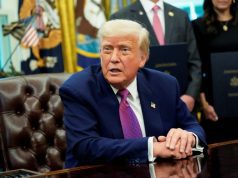
Several EU leaders stressed the need to ensure Ukraine remains funded and capable of defending itself over the next two years. They also aimed to demonstrate European resolve after U.S. President Donald Trump recently criticised European countries as “weak”.
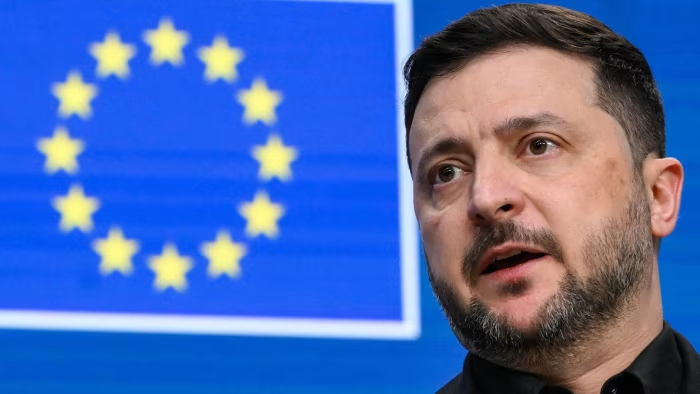
EU foreign policy chief Kaja Kallas said failure was not an option. Ukrainian President Volodymyr Zelenskiy, who attended the summit, again urged leaders to fully use frozen Russian assets to fund Ukraine’s defence, calling it a morally justified response to Russian aggression.