ECB Signals Possible Policy Action on Temporary Inflation Surge
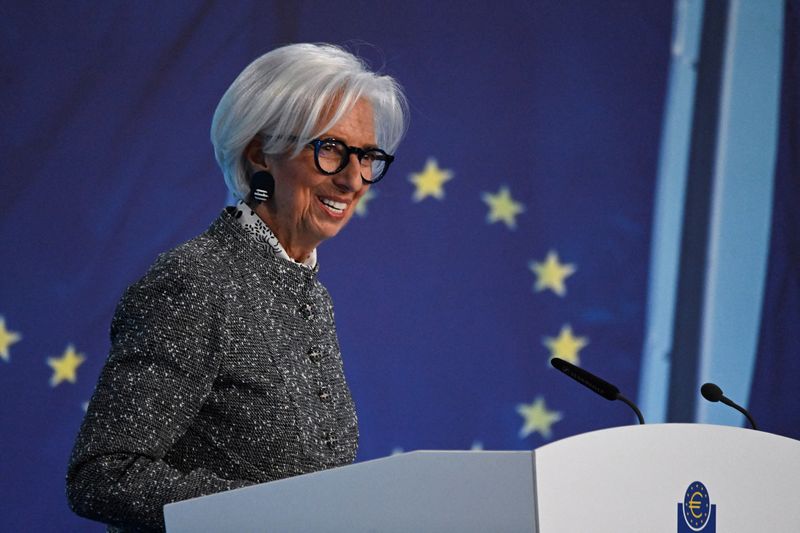
European Central Bank President Christine Lagarde stated on Wednesday that even a temporary rise above the ECB’s inflation target, driven by the ongoing energy shock, could justify a moderate tightening of monetary policy.
The ECB kept interest rates unchanged last week but warned that inflation is expected to increase. Policymakers are now evaluating under which conditions rate hikes may be necessary to prevent inflation from becoming entrenched.
Lagarde Warns Against Ignoring Inflation Overshoot
Speaking in Frankfurt, Lagarde emphasized that even a significant but short-lived inflation overshoot should not be ignored.
She noted that failing to respond could create communication challenges, as the public may struggle to understand why policymakers would not act in the face of rising prices.
While Lagarde did not directly link her comments to the ECB’s previously outlined scenarios, her remarks closely align with the bank’s more adverse projections.
ECB Inflation Scenarios Highlight Potential Risks
Under the ECB’s baseline scenario, inflation is expected to average around 2.6% this year, up from roughly 2% previously.
In a more adverse case, inflation could exceed 4% in the second half of the year before gradually returning to target by mid-2027. In a severe scenario, inflation may rise above 6% early next year and remain elevated for an extended period.
Lagarde stressed that if inflation is expected to diverge significantly and persistently from the target, the ECB would need to respond with stronger and more sustained policy measures to prevent long-term instability.
ECB Monitoring Early Signs of Persistent Inflation
The central bank is now focusing on identifying early indicators that inflation pressures are spreading more broadly across the economy. This includes monitoring wage growth and shifts in inflation expectations.
Lagarde noted that as inflation deviations become larger and more persistent, the case for policy intervention becomes stronger.
Markets Expect Rate Hikes as Inflation Concerns Persist
Financial markets are currently pricing in two to three interest rate increases from the ECB this year, as investors anticipate inflation remaining above target for an extended period.
Some market participants support earlier but more gradual action, partly due to criticism that the ECB responded too slowly during the 2021–2022 inflation surge.
At that time, policymakers viewed inflation as temporary and delayed rate hikes until inflation had surged to around 8%, well above the target.
Current Economic Conditions Differ from Past Inflation Surge
Lagarde highlighted that the current inflation environment differs from previous episodes. The energy shock is less severe, particularly in natural gas markets, while labor market conditions are less tight.
Additionally, there is no significant post-pandemic demand surge, fiscal policies are more restrictive, and interest rates are already at higher levels.
She also pointed out that historical data suggests broad inflation pass-through from energy price increases is relatively uncommon.