ECB Holds Interest Rates Steady Amid Rising Global Uncertainty
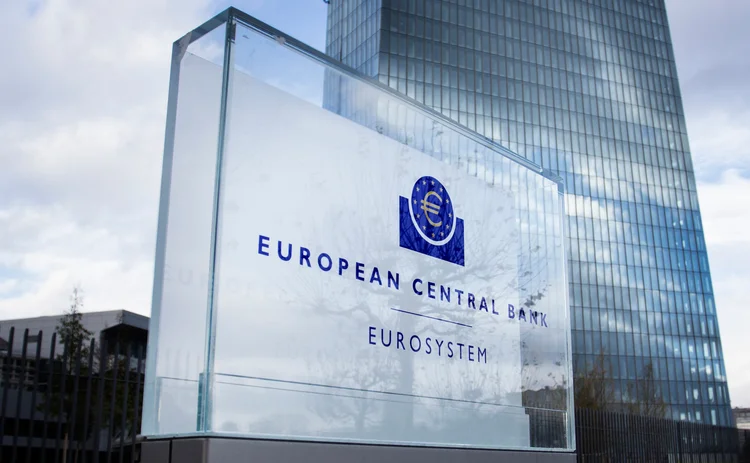
The European Central Bank (ECB) kept interest rates unchanged on Thursday, as expected, while signaling readiness to respond to inflation risks linked to the escalating Middle East conflict.
The ECB maintained its key deposit rate at 2.0%, with the main refinancing rate at 2.15% and the marginal lending facility at 2.4%.
Iran Conflict Clouds Economic Outlook
Policymakers warned that the joint U.S.-Israeli military actions against Iran have significantly increased uncertainty. The ECB highlighted growing upside risks to inflation, alongside a weaker outlook for economic growth across the eurozone.
The widening conflict has disrupted energy markets, particularly natural gas supplies, as attacks target key production facilities in the Persian Gulf, including Qatar. Europe’s heavy reliance on gas imports through this region makes it especially vulnerable to supply shocks and disruptions in the Strait of Hormuz.
Energy Prices Drive Inflation Risks Higher
The ECB emphasized that rising energy costs will have a direct and meaningful impact on short-term inflation. However, the long-term effects will depend on how prolonged and intense the conflict becomes, and how energy prices filter through to the broader economy.
Despite these risks, the central bank stated it remains confident in its ability to manage the situation and keep inflation anchored around its 2% target.
Updated Inflation and Growth Forecasts
The ECB now expects headline inflation to average 2.6% this year, up significantly from its previous estimate of 1.9%, largely due to the surge in energy prices.
Core inflation, which excludes food and energy, is also projected to rise slightly to 2.3%.
Meanwhile, economic growth forecasts have been revised lower. The eurozone economy is now expected to expand by 0.9% in 2026, compared to an earlier projection of 1.2%.
Economic Resilience Faces External Pressures
The ECB warned that the global impact of the conflict could weigh on commodity markets, household incomes, and overall confidence among consumers and businesses.
However, several factors may support economic stability, including:
- Low unemployment levels
- Strong private sector balance sheets
- Increased government spending on defense and infrastructure
Risk of Prolonged Energy Disruptions
A sustained disruption to oil and gas supplies could push inflation above current forecasts while further slowing economic growth, the ECB cautioned.
ECB President Christine Lagarde stressed that policymakers are closely monitoring commodity markets, supply chain bottlenecks, and corporate pricing behavior as part of their strategy.
Global Central Banks Take a Cautious Approach
The ECB’s decision aligns with a broader global trend. Major central banks—including the Federal Reserve, Bank of Japan, Bank of England, and Swiss National Bank—have also opted to hold interest rates steady this week due to uncertainty surrounding the conflict.
Analysts suggest that if energy prices remain elevated or rise further, the ECB may move toward rate hikes sooner than expected to contain inflationary pressures.
Conclusion: ECB Balances Inflation Risks and Growth Concerns
The ECB is navigating a delicate balance between rising inflation and slowing growth. While policymakers remain cautious for now, persistent energy price pressures could force a shift toward tighter monetary policy in the months ahead.