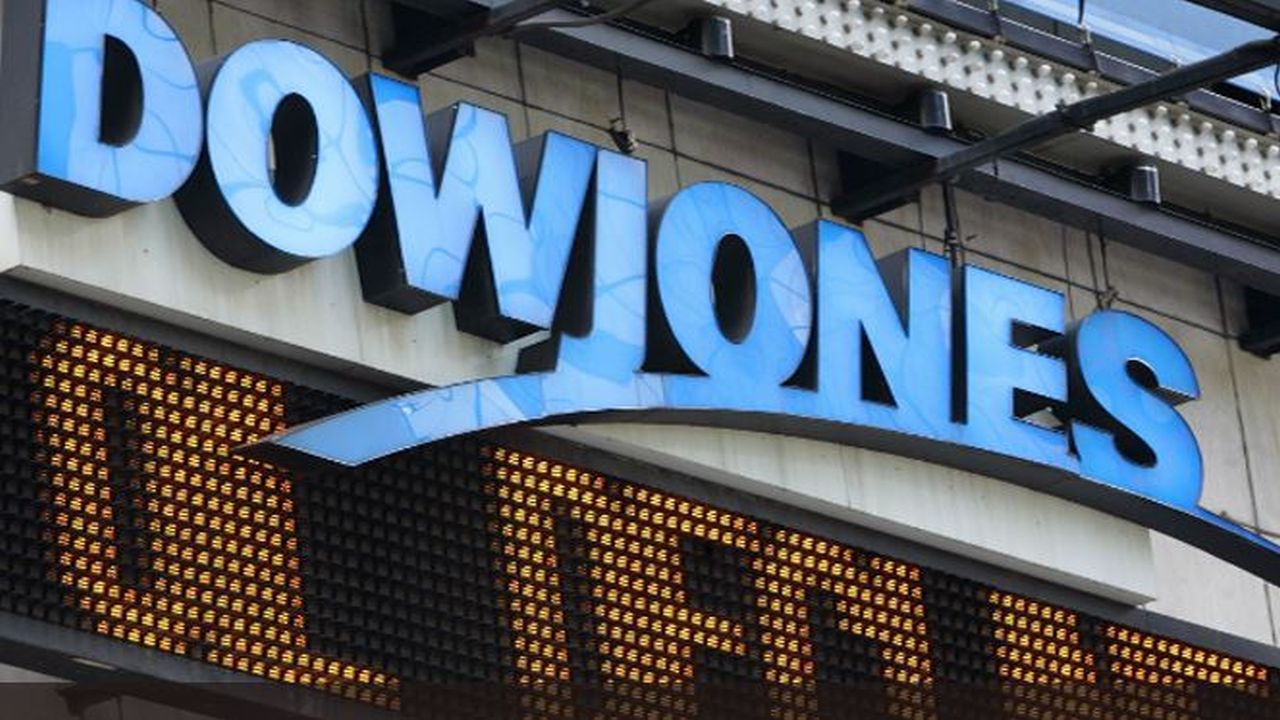
U.S. stocks ended the week on a weaker note Friday, with the Dow Jones Industrial Average slipping and the S&P 500 struggling to gain traction, as investor risk appetite faded following a sharp selloff in Intel after the company issued a downbeat outlook.
All three major Wall Street indexes had rebounded over the previous two sessions, recovering from Tuesday’s steep losses that were triggered by tariff threats from U.S. President Donald Trump toward European allies in connection with negotiations over Greenland.
Despite the late-week pullback in a shortened trading week, investor sentiment appeared relatively resilient. Markets seemed to reflect confidence that while geopolitical risks remain elevated and volatility persists, the underlying strength of the U.S. economy continues to provide support.
Michael Kantrowitz, chief investment strategist at Piper Sandler, said that even with heightened volatility, investors are increasingly finding opportunities beyond artificial intelligence-driven trades.
Although the Russell 2000 index fell 1.9% on Friday, the small-cap benchmark remains up roughly 7.5% so far in 2026, significantly outperforming the broader market. By comparison, the Dow, S&P 500, and Nasdaq Composite have each gained between 1% and 2% year to date.
Friday’s weakness in the main indexes was largely driven by Intel, whose shares plunged nearly 18%. The chipmaker forecast quarterly revenue and profit below expectations, citing difficulties in meeting demand for its server processors used in artificial intelligence data centers.
By 1:59 p.m. Eastern time, the S&P 500 was flat at 6,913.20 points. The Dow fell 333.98 points, or 0.68%, to 49,050.03, while the Nasdaq Composite bucked the trend, rising 77.61 points, or 0.33%, to 23,513.63.
Focus shifts to Big Tech earnings
Attention now turns to upcoming earnings from several of the so-called Magnificent Seven companies, including Apple, Tesla, and Microsoft, all scheduled to report next week. Investors will be watching management guidance closely for insight into how sustainable the recent growth narrative remains.
Ahead of the reports, megacap stocks traded mixed. Tesla, Alphabet, and Apple posted modest declines, while Microsoft, Meta Platforms, and Amazon rose between 2% and 3.8%.
Nvidia gained 1.8% after reports indicated Chinese authorities had told major firms, including Alibaba, Tencent, and ByteDance, they could begin preparing orders for Nvidia’s H200 artificial intelligence chips.
Kantrowitz noted that with market gains becoming more broad-based, solid economic data, and supportive factors such as tax rebates, Big Tech earnings may no longer carry the same outsized influence over overall market direction as in previous quarters.
Fed meeting in focus
The Federal Reserve is widely expected to keep interest rates unchanged at 3.5%–3.75% at its meeting next week. Investors will closely analyze the policy statement and comments from Chair Jerome Powell for clues on the timing of future rate cuts.
According to CME Group’s FedWatch tool, markets currently expect the first interest rate cut to arrive in June.
Economic indicators to start the year have been broadly stable. Business activity remained firm in January, with stronger new orders offsetting a still-soft labor market, according to S&P Global’s flash PMI. Separately, a University of Michigan survey showed consumer sentiment improved across political affiliations during the month.