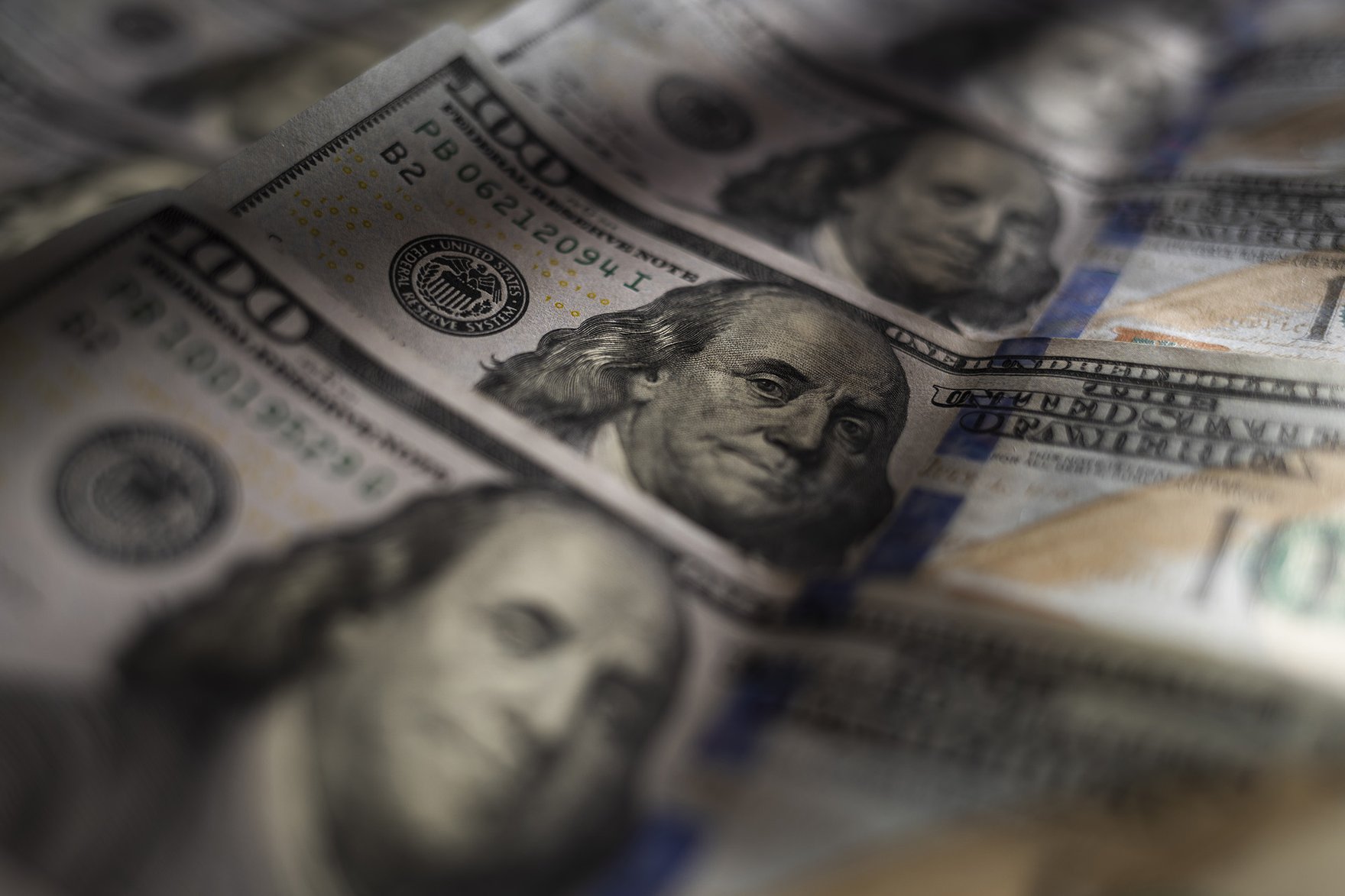
The U.S. dollar weakened for a second consecutive session on Tuesday, as investors adjusted their positions ahead of key central bank interest rate decisions expected later this week.
The greenback had recently climbed to a 10-month high, supported by safe-haven demand amid rising geopolitical tensions in the Middle East and a surge in oil prices. However, this momentum has started to fade as markets shift focus to upcoming monetary policy announcements.
The U.S. Federal Reserve is set to release its decision on Wednesday, followed by the European Central Bank, the Bank of England, and the Bank of Japan a day later. While all are widely expected to keep interest rates unchanged, investors will closely analyze their statements for signals on inflation trends and the broader economic outlook, particularly in light of the ongoing Middle East conflict.
Market expectations for Federal Reserve rate cuts have also been revised. Traders now anticipate around 25 basis points of easing this year. Meanwhile, expectations for the European Central Bank have shifted significantly, with markets now pricing in nearly two rate hikes in 2026, compared to earlier projections that suggested a possible rate cut.
In currency markets, the dollar slipped 0.11% against the Swiss franc, marking its second straight day of losses. The dollar index, which recently reached 100.54—its highest level since May 2025—has pulled back in recent sessions and was last down 0.21% at 99.65.
According to Marc Chandler, chief market strategist at Bannockburn Global Forex, the recent movement appears to be driven mainly by positioning. However, he noted that sentiment may be starting to shift, with the dollar now facing selling pressure on rallies rather than being bought on dips.
Oil markets remain a key factor influencing currency movements. Brent crude prices stayed above $100 per barrel due to supply concerns linked to disruptions in the Strait of Hormuz. Prices have surged more than 40% since February and were last trading near $102 per barrel.
Tensions escalated further after Iran launched renewed attacks on the United Arab Emirates, partially halting oil loading operations at the Fujairah port. The port, located on the Gulf of Oman just outside the Strait of Hormuz, is a critical hub for global energy exports.
The euro strengthened by 0.26% against the dollar, recovering to around $1.153 after falling to its lowest level since August 2025 in the previous session.
Meanwhile, the Australian dollar gained 0.41% after the Reserve Bank of Australia raised interest rates for a second consecutive month, bringing them to a 10-month high. The central bank warned that inflation risks remain elevated, with its policy decision narrowly passing in a 5–4 vote.
In Japan, the yen hovered near levels that previously triggered foreign exchange intervention in 2024, as higher oil prices and geopolitical risks added pressure. Japanese Finance Minister Satsuki Katayama reiterated that authorities are ready to act against excessive market volatility.
Bank of Japan Governor Kazuo Ueda also indicated that underlying inflation is moving closer to the central bank’s 2% target, emphasizing the need for sustained wage growth to support price increases. The yen was last slightly stronger at 158.95 per dollar.