Dollar Weakens Slightly but Holds Strong Monthly Gains
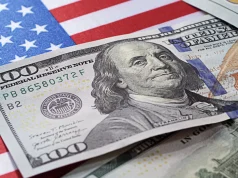
The U.S. dollar edged lower on Tuesday, yet remained on track for its strongest monthly performance since July. The currency continues to benefit from its role as a safe-haven asset amid the ongoing Iran conflict.
Dollar Index Performance
The U.S. dollar index, which measures the greenback against a basket of major currencies, fell 0.3% to 100.26 during early trading. Despite the daily decline, the index has gained approximately 2.7% over the past month, highlighting sustained demand for the dollar.
Safe-Haven Demand Supports the Dollar
Since the escalation of tensions in the Middle East in late February, investors have increasingly turned to the dollar. This trend has been supported by the United States’ position as a net energy exporter, as well as a broader shift toward liquidity and safety during uncertain times.
Major Currencies Under Pressure
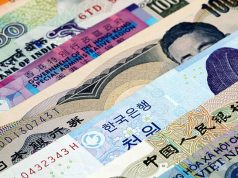
In contrast, other developed market currencies have weakened. The Japanese yen, euro, and British pound are all on track to post losses for March. Both the euro and pound are heading for their worst monthly performance since July.
However, these currencies saw some short-term gains following reports that Donald Trump may be open to ending the conflict, even if the Strait of Hormuz remains largely closed.
Energy Prices Drive Market Concerns
According to analysts at ING Group, uncertainty around energy prices remains a key concern for the global economy. Oil and gas prices have surged sharply since the start of the conflict, driven by disruptions in the Strait of Hormuz, a crucial route for global oil supply.
Inflation Fears and Rising Yields
The spike in energy prices has raised fears of higher inflation worldwide. In response, government bond yields have climbed as markets anticipate potential interest rate hikes by central banks.
Despite these concerns, Jerome Powell has indicated that medium-term inflation expectations remain stable, suggesting a more measured policy response.
Key Economic Data in Focus
Investors are now closely watching upcoming U.S. economic data, including the job openings and labor turnover survey (JOLTS), which provides insight into labor demand. However, this dataset does not yet reflect the impact of the recent geopolitical tensions.
On the other hand, consumer confidence data for March is expected to show a decline, reflecting ongoing economic uncertainty and the effects of recent trade policies.
Outlook: Dollar Strength Tied to War and Policy Signals
Analysts believe that upcoming economic data could influence Federal Reserve policy expectations and potentially shape the White House’s approach to the Middle East conflict. For now, the dollar remains supported by geopolitical uncertainty and strong demand for safe-haven assets.