Dollar Strengthens as Oil Surge Pressures the Euro
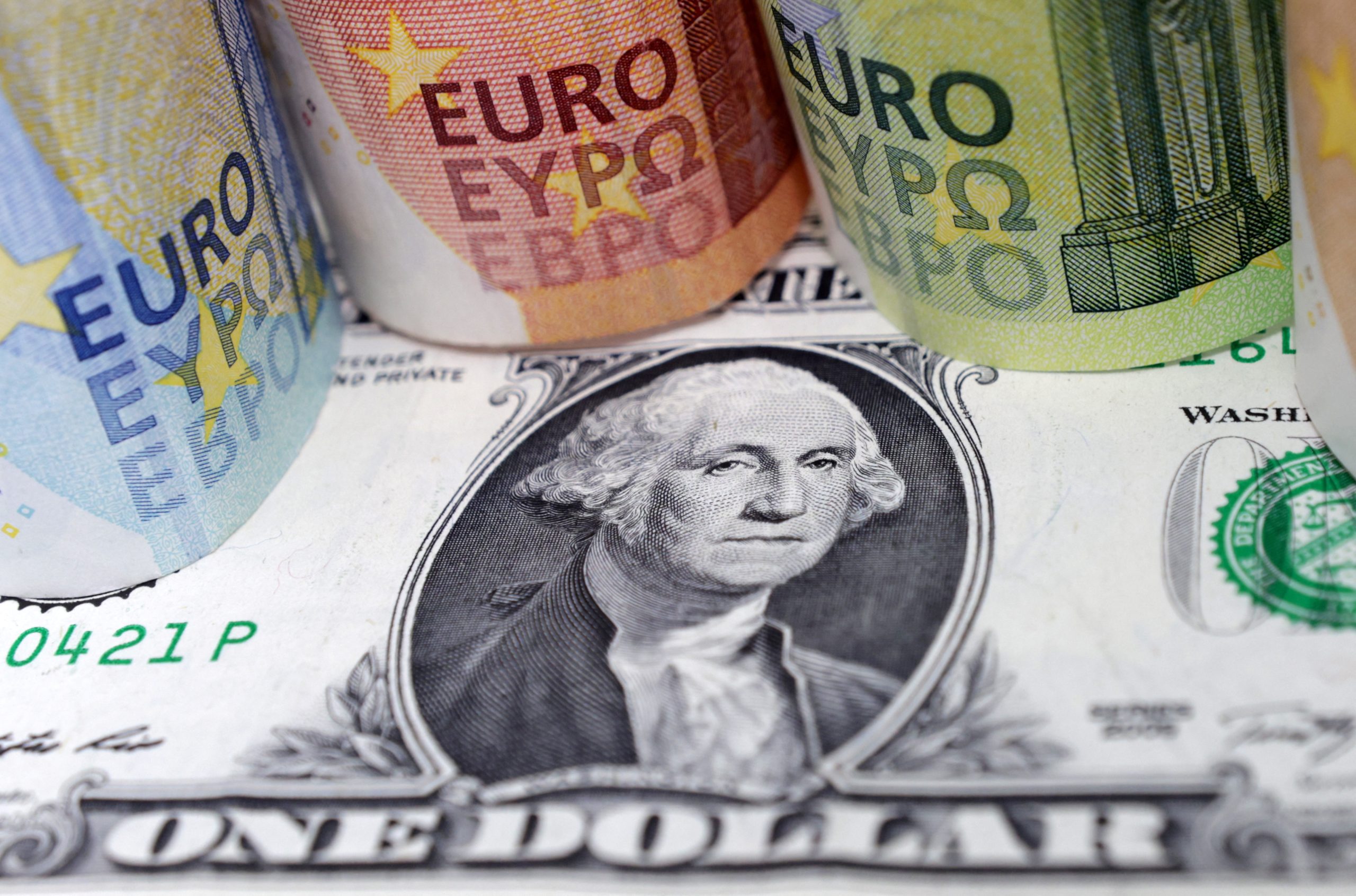
The U.S. dollar strengthened against the euro for a third consecutive day on Thursday, moving closer to its highest levels of 2026. The rally was fueled by a sharp rise in energy prices, which raised concerns about the outlook for Europe’s import-dependent economy and pushed investors toward the safety of the U.S. dollar.
Oil Price Surge Raises Global Economic Concerns
Oil prices climbed significantly after Iran intensified attacks on oil and transportation infrastructure across the Middle East, increasing fears of a prolonged conflict and possible disruptions to global energy supplies.
Adding to market uncertainty, Iran’s new Supreme Leader Mojtaba Khamenei pledged on Thursday that the strategic Strait of Hormuz would remain closed. The narrow waterway is one of the world’s most important energy routes and a critical channel for global oil shipments.
Economists warn that the rapid rise in energy costs could pose a serious threat to global economic growth, particularly if tensions in the Middle East continue to escalate.
Energy Importers See Currencies Weaken
Countries that rely heavily on energy imports have seen their currencies weaken the most against the dollar since the beginning of the U.S.-Israeli conflict with Iran.
The Indian rupee and Japanese yen have each declined by more than 1.5%, while the euro and the South Korean won have dropped by around 2% and 3%, respectively.
Meanwhile, the U.S. dollar index, which measures the greenback against a basket of major currencies, has gained more than 1.5% and is approaching its strongest level since November. The rise reflects both the dollar’s safe-haven status and the fact that the United States is a net exporter of energy.
The euro fell 0.5% to $1.1513, remaining close to its lowest level since November.
Analysts Expect Further Pressure on EUR/USD
According to Benjamin Ford, a researcher at macro strategy firm Macro Hive, the euro’s weakness is linked to supply concerns in the global energy market.
Ford pointed to a recent International Energy Agency (IEA) report and Iran’s commitment to keep the Strait of Hormuz closed as key factors behind the move.
He added that the EUR/USD exchange rate could fall to around 1.14 if markets follow a similar pattern to the currency reaction seen during the Russia–Ukraine conflict in 2022.
Strategic Oil Releases Offer Limited Relief
In response to the disruption, the International Energy Agency announced plans to release 400 million barrels of oil from strategic reserves.
However, analysts note that this volume would only offset about 20 days of supply losses if disruptions to oil flows through the Strait of Hormuz continue. In addition, the oil from reserves could take weeks or months to fully reach global markets.
Barclays strategist Lefteris Farmakis said the eurozone remains particularly vulnerable to rising energy costs.
He noted that the region’s heavy dependence on imported oil and natural gas is causing the euro to weaken across currency markets.
Central Bank Decisions in Focus
Investor sentiment was also weighed down by renewed trade tensions, after the Trump administration launched a new investigation into industrial overcapacity among 16 major trading partners. The move aims to restore tariff pressure following a recent U.S. Supreme Court decision that struck down a key element of the administration’s tariff policy.
The British pound fell 0.5% to $1.3348, hovering near its lowest level of the year. Against the Japanese yen, the dollar rose 0.3% to 159.395 yen.
Markets are now closely watching upcoming central bank meetings at the Federal Reserve and the European Central Bank, which could provide guidance on how policymakers will respond to the potential inflation shock from rising energy prices.
According to swaps market data compiled by LSEG, traders expect the ECB could raise interest rates as early as June, while the Federal Reserve may delay potential rate cuts until September, compared with earlier expectations for July.
Economists say the outcome of the Federal Open Market Committee (FOMC) meeting next week could significantly influence currency markets.
Stephen Brown, deputy chief North America economist at Capital Economics, said the Fed is expected to keep its federal funds target range between 3.50% and 3.75% for now. However, investors will closely monitor any changes to the central bank’s policy statement or economic forecasts.
A more hawkish outlook from the Fed—such as removing its easing bias or projecting fewer rate cuts—could further support the U.S. dollar.
Bitcoin Declines Slightly
In cryptocurrency markets, Bitcoin slipped around 1%, falling just below $70,000. However, the digital asset remains above its recent multi-year low of $60,008, reached earlier this year in February.