Euro and Yuan Gain Ground as Dollar Weakness Deepens
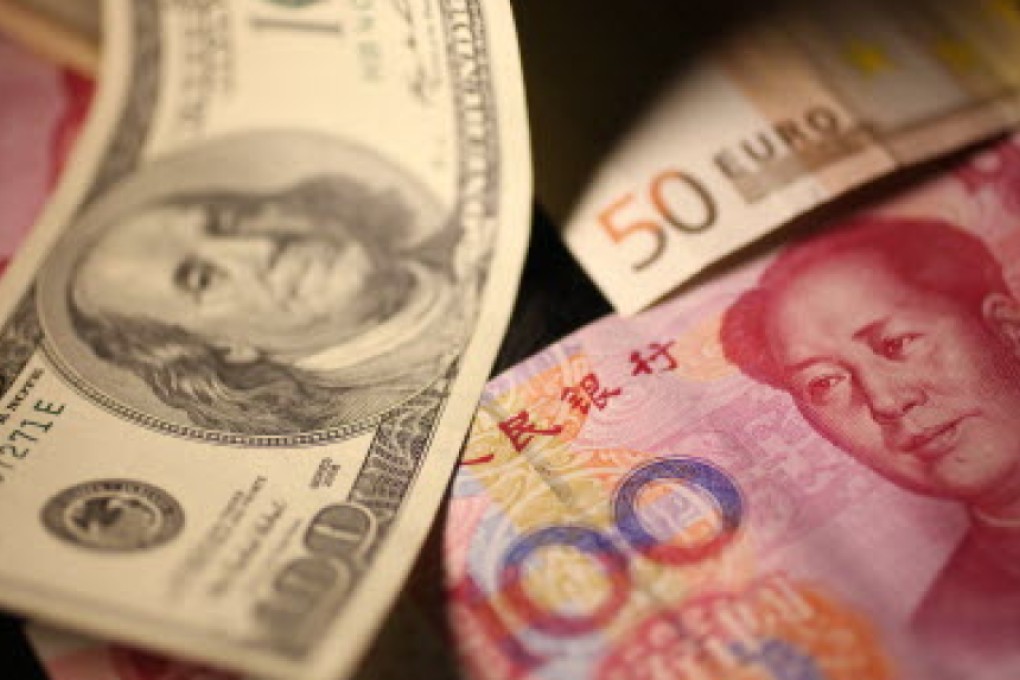
The U.S. dollar is once again losing ground against the euro and the Chinese yuan, at a time when European and Chinese policymakers are actively promoting a stronger global role for their currencies. The recent currency moves appear to align with broader strategic ambitions in both regions, while Washington has signaled little discomfort with a softer dollar.
Ahead of the Lunar New Year holidays, China’s offshore yuan climbed to its strongest level against the dollar in nearly three years. Since the beginning of last year, the greenback has fallen around 6% versus the renminbi. Over the same period, the euro has surged approximately 15% against the dollar, trading close to the five-year high above $1.20 reached last month.
ECB Push for a “Global Euro”
Officials at the European Central Bank have recently reinforced their long-standing call to strengthen the euro’s international status. Sources indicated the ECB is exploring ways to expand euro liquidity globally, making it easier and more affordable to use the currency in cross-border trade and finance.
Austria’s central bank governor Martin Kocher said the ECB must prepare for a significant shift, noting growing international demand for the euro. According to him, increased interest from global counterparties is contributing to the euro’s appreciation and its perception as a safe-haven currency.
China’s Ambition for a Stronger Yuan
Meanwhile, Chinese leadership has reiterated its commitment to building a “powerful currency” that plays a larger role in global trade, financial markets, and foreign exchange reserves. These statements come amid intensified trade diplomacy and calls for a more multipolar global financial system.
Both Europe and China appear to sense that global investors are reassessing the dollar’s dominance following a year of disruptive U.S. trade and diplomatic policies. The current environment may offer an opportunity to accelerate currency internationalization efforts.
Washington’s Stance on Dollar Weakness
In the United States, there are indications that policymakers may be comfortable with gradual dollar depreciation. Former President Donald Trump described January’s sharp dollar drop as “great,” while Treasury Secretary Scott Bessent has emphasized that a “strong dollar” refers more to sound economic policies than to a specific exchange rate level.
However, uncertainty remains over whether exchange-rate considerations are embedded in ongoing bilateral trade agreements, particularly across Asia.
Trade-Weighted Currency Dynamics
Interestingly, despite dollar volatility, the euro-yuan exchange rate has remained relatively stable since last year’s U.S. tariff shock. This stability is significant given the deep trade links between the eurozone and China.
The yuan accounts for roughly 15.5% of the ECB’s trade-weighted euro basket, close to the dollar’s 17.4% share. Similarly, the euro represents about 18% of China’s trade-weighted yuan basket, nearly matching the dollar’s weighting.
Within the Federal Reserve broad dollar index, the euro carries a 21% weight—more than double the yuan’s 10%. As a result, further dollar weakness against one major currency is likely to spill over into others.
Implications for Global Investors
For international investors, especially those allocating capital to government bonds, currency appreciation prospects can significantly influence returns. Analysts at Gavekal Research highlight that a 220-basis-point yield advantage on five-year U.S. Treasuries over equivalent Chinese bonds could be erased if the dollar falls another 10% against the yuan by 2031.
Given that Chinese inflation has consistently run around 200 basis points below U.S. inflation for several years, further yuan appreciation may be fundamentally justified.
Recent reports suggesting that Chinese regulators encouraged banks and investors to reassess heavy exposure to U.S. Treasuries have added to downward pressure on the dollar. For euro-denominated debt, currency strength could also become a decisive factor, particularly if it eventually prompts the ECB to consider further monetary easing.
A New Currency Order?
While many policymakers may welcome a weaker dollar, the broader consequences of a structural shift in the global currency system remain uncertain. Markets can adjust rapidly, and sustained dollar weakness could reshape cross-border investment flows and global trade balances.
For now, investors are closely monitoring whether the euro and yuan’s growing global ambitions will continue to accelerate the dollar’s decline.