Dollar Near Six-Week Lows as Iran Talks Boost Market Sentiment
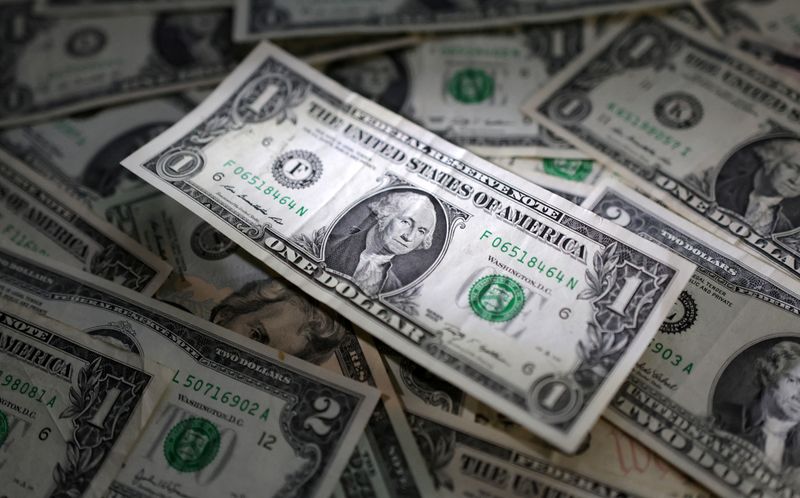
The U.S. dollar hovered near six-week lows on Wednesday, giving back most of the gains recorded since the start of the Iran conflict. Renewed optimism over potential diplomatic talks between Washington and Tehran has improved risk appetite and reduced demand for the greenback as a safe-haven asset.
Strait of Hormuz Disruption Drives Energy Market Volatility
Iran’s closure of the Strait of Hormuz—responsible for roughly 20% of global oil and gas shipments—has significantly impacted energy markets since the conflict began on February 28. The move triggered a sharp rise in oil prices and weighed on overall investor confidence.
Diplomacy Hopes Emerge Despite Ongoing Tensions
Although recent negotiations failed to produce a breakthrough, hopes for renewed talks have increased. U.S. President Donald Trump indicated that discussions could resume in Pakistan in the coming days, raising expectations of a potential resolution.
Despite a fragile ceasefire still in place, investors remain cautiously optimistic that diplomatic efforts could bring an end to the conflict.
Dollar Weakens as Risk Appetite Improves
The dollar index slipped to around 98.13, near its lowest level in more than six weeks. The euro traded close to its recent highs at $1.1791, while the British pound remained steady at $1.35715.
After acting as a safe haven during the height of the conflict, the dollar has declined approximately 1.7% this month against major currencies, reflecting improving market sentiment.
Economic Outlook and Political Factors in Focus
Analysts suggest that expectations for a resolution may allow policymakers to shift focus toward economic support measures ahead of upcoming U.S. midterm elections. However, uncertainties remain, particularly around inflation and political stability.
The International Monetary Fund has already lowered its global growth outlook due to rising energy prices, warning that the global economy could face a more challenging environment if conditions worsen.
Oil Prices and Market Reaction
Oil markets remained volatile, with Brent crude rising 0.8% to $95.53 per barrel after a sharp decline in the previous session. U.S. West Texas Intermediate crude also edged higher to $91.46.
The recent drop in oil prices contributed to a broader “risk-on” sentiment, lifting global equities and supporting risk-sensitive currencies such as the Australian dollar.
Global Markets Reflect Risk-On Sentiment
The Australian dollar held near recent highs at $0.7124, while the Japanese yen weakened slightly to 158.975 per dollar. Bitcoin also posted modest gains, trading at $74,234, though still below its recent two-month peak.
Market movements across asset classes suggest investors increasingly view the conflict as a temporary energy shock that could ease if diplomatic efforts succeed.
Fed Policy Outlook Remains Uncertain
Former U.S. Treasury Secretary Janet Yellen stated that a Federal Reserve rate cut remains possible this year, even as supply-side pressures from the conflict continue to influence inflation.
While traders have reduced expectations for multiple rate cuts, a sustained ceasefire and improving economic conditions could bring monetary easing back into focus.